How to Choose the Best Fly Trap for Australian Food Processing Facilities
Australian food processing facilities operate under some of the world’s strictest hygiene regulations. Between the sweltering heat of the Australian summer and the high-volume production of meat, dairy, and grains, fly populations can explode in a matter of days. A single fly landing on a production line can trigger a contamination event, leading to discarded batches, brand damage, and failed audits.
Effective food industry fly control is not just about killing pests; it is about doing so in a way that aligns with Food Standards Australia New Zealand (FSANZ) requirements. Choosing the wrong equipment can be as dangerous as having no equipment at all. This guide examines the technical requirements for a fly trap Australia can rely on in a high-stakes manufacturing environment.
Australian Food Safety Standards (HACCP)
In Australia, the Hazard Analysis and Critical Control Point (HACCP) system is the foundation of food safety. When it comes to pest control, HACCP is specific about how insects are captured and contained. Traditional electric grid ‘zappers’ are generally prohibited in open food handling areas. This is because the high-voltage discharge causes insects to explode, scattering microscopic fragments of wings, legs, and bacteria (like E. coli and Salmonella) into the air and onto food surfaces.
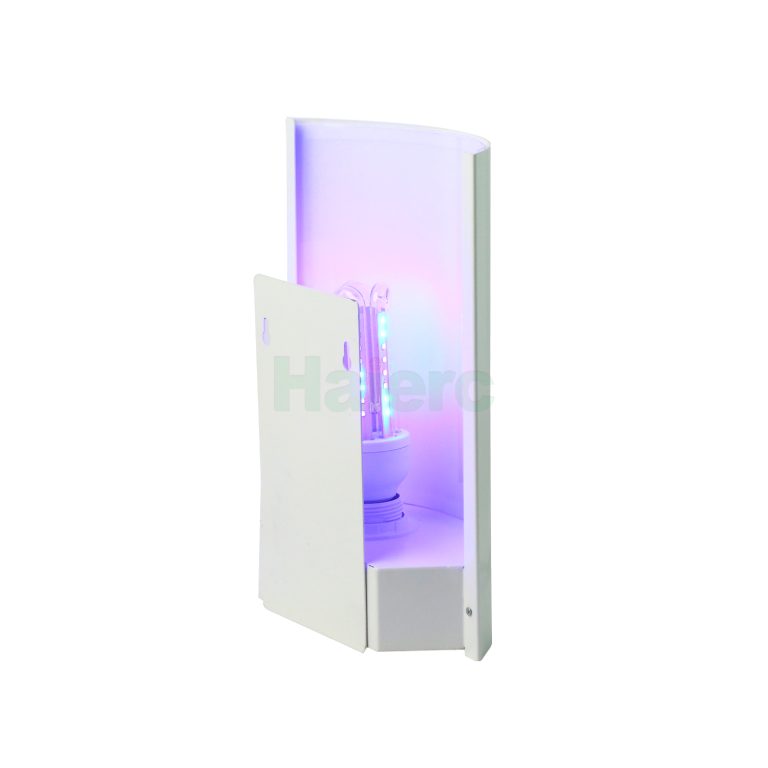
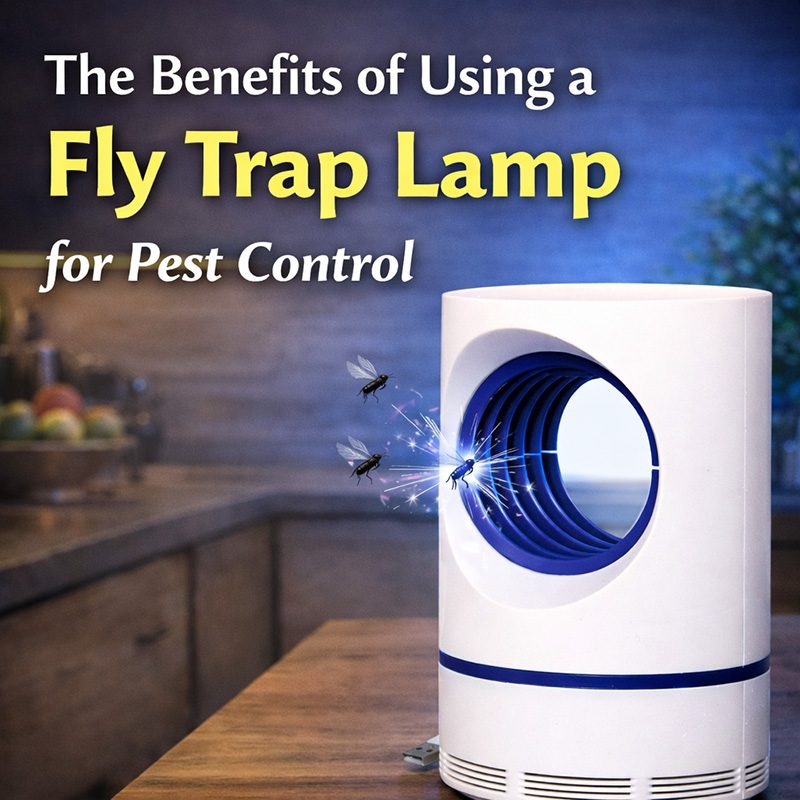
A true HACCP fly trap must use glueboard technology. These units use UV light to attract the fly, which then lands on a high-tack adhesive board. The insect remains intact, preventing airborne contamination. For facility managers, these boards also serve as a vital data source. During audits, the types and numbers of flies caught on the boards can be counted to identify entry points or seasonal trends, providing the documentation needed for compliance.
Internal link: besthomegardenproducts.com/haccp-compliance-tools/
Types of Fly Traps: Electric vs. Sticky vs. Bait
Selecting the right hardware depends on the ‘zone’ of the facility. Not every unit is suitable for every room.
UV Sticky Traps (Glueboard Units)
As mentioned, these are the gold standard for internal food zones. Modern UV fly killer Australia options now include IP-rated units that can withstand wash-down procedures in wet processing areas. Look for units made from 304-grade stainless steel to prevent corrosion from cleaning chemicals. Glueboards should be replaced regularly to ensure the adhesive remains effective in dusty environments.
Electric Grid Units
While banned in food prep areas, electric grid units have a place in loading docks and warehouses. Their primary advantage is that they do not require glueboard replacements, which lowers long-term maintenance costs in non-critical zones. However, they should never be placed near doors leading into high-care food areas, as they may attract flies into the building.
Bait and Pheromone Traps
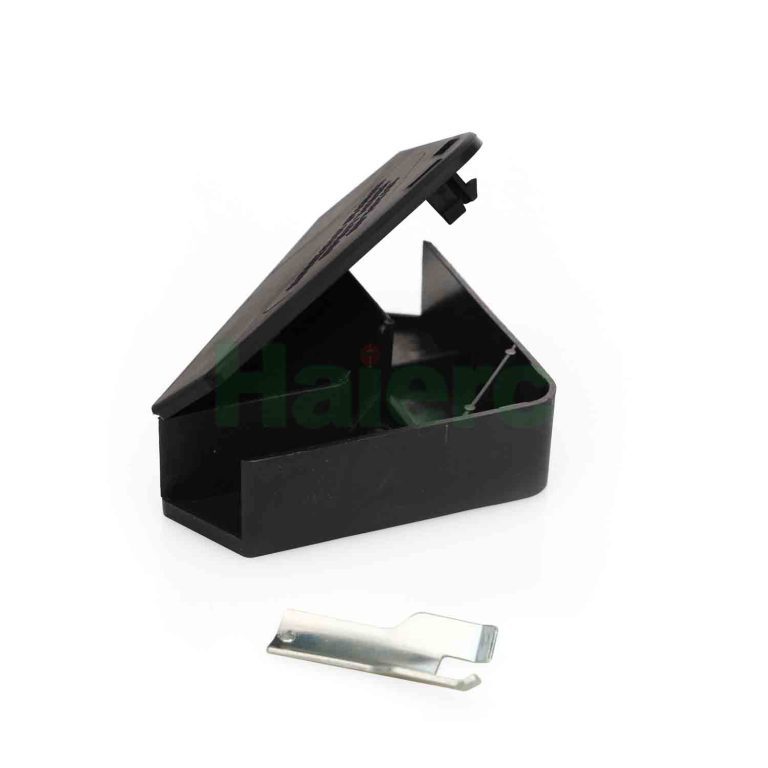
These are outdoor tools. Putting a bait trap inside a facility is a mistake—the strong scent of the bait will pull flies from the outside into your building. External bait traps should be placed at the perimeter to intercept flies before they reach your doors. For large sites, sourcing these via a commercial fly trap wholesale partner is the most cost-effective way to manage large-scale perimeter protection.
Internal link: besthomegardenproducts.com/uv-fly-killers/
Placement Strategy for Maximum Effectiveness
Even the most expensive fly trap Australia has to offer will fail if it is placed incorrectly. Flies have compound eyes that are highly sensitive to ultraviolet light, but they can be easily distracted by other light sources.
- Height: Flies typically fly at a height of 1.5 to 2.5 meters. Traps should be mounted at this level. If they are too high, they compete with ceiling lights; if they are too low, they are blocked by machinery.
- Avoid Competing Light: Do not place a UV trap directly opposite a window. Sunlight contains vast amounts of UV, which will wash out the light from your trap. Place units in the darker parts of the room or at 90-degree angles to windows.
- Interception Points: Position traps between the entry point (the door) and the food production line. The goal is to catch the fly as soon as it enters the room, before it reaches the product.
- Airflow: Avoid placing units directly in the path of powerful air conditioning vents or air curtains. High airflow can make it difficult for flies to land on the glueboard.
Maintenance and Replacement Schedule
Performance degradation is the silent killer of food industry fly control. UV tubes do not ‘burn out’ like standard lightbulbs; instead, they lose their ability to emit the specific 350nm-365nm wavelength that attracts flies. This happens long before the blue glow disappears.
Most high-quality UV tubes have an effective life of 8,000 to 9,000 hours, which is roughly 12 months of 24/7 operation. In the Australian climate, it is best practice to replace all UV tubes at the start of spring, before the peak fly season hits. Glueboards should be checked weekly. If more than 50% of the board is covered in insects or dust, it must be replaced. A crowded board allows new flies to land on the bodies of dead ones and escape.
Internal link: besthomegardenproducts.com/commercial-pest-control/
Cost-Benefit Analysis for Large Facilities
For a facility manager, the initial purchase price of a fly trap is only about 20% of the total cost of ownership. The real costs lie in replacement tubes, glueboards, and the labor required to service the units. For a facility with 50+ units, purchasing through a commercial fly trap wholesale channel provides significant savings on consumables.
Switching to LED UV technology is another way to manage costs. LED units can reduce energy consumption by up to 60% compared to traditional fluorescent tubes. While the upfront cost is higher, the tubes often last three times longer (up to 3 years), drastically reducing the labor costs associated with annual changes. In the Australian energy market, where industrial electricity prices continue to rise, the ROI for LED conversion is typically less than 18 months.
Summary: Best Practices for Facility Managers
Achieving total fly control requires a layered approach. Relying on a single trap in the corner of a room is not enough. You must consider the entire path of the pest, from the external perimeter to the internal high-care zones.
- Audit your facility zones and ensure every trap in a food area is a glueboard-based HACCP fly trap.
- Implement a strict maintenance log to track tube changes and glueboard saturation.
- Train staff to keep doors closed and maintain air curtains.
- Source your supplies via commercial fly trap wholesale partners to ensure you have a stock of consumables ready for the summer peak.
If your facility is currently struggling with fly activity or you are preparing for a SQF or BRC audit, a professional assessment of your trap placement and unit types is recommended. Proper fly control is an investment in your brand’s safety and your facility’s operational continuity.
Internal link: besthomegardenproducts.com/wholesale-pest-control-supplies/
Get a Facility Assessment
Are your current fly control measures meeting Australian standards? Contact our technical team for a detailed review of your facility’s needs and to access wholesale pricing for commercial-grade fly control systems.