Sourcing Bird Spikes from China: Quality, Compliance and Profitability Guide for European Distributors
Sourcing Bird Spikes from China: Quality, Compliance and Profitability Guide for European Distributors
Urban bird management is a growing necessity across Europe, from Amsterdam’s historic centers to London’s commercial skylines. For distributors, this means steady demand. But importing bird control products requires more than finding the lowest price. China drives global production, yet the gap between a standard domestic factory and an export-ready partner is wide. You need suppliers who actually understand EU regulatory landscapes. Here is what matters when sourcing bird spikes that survive European weather and legal scrutiny.
Stainless steel vs plastic vs polycarbonate bird spikes: Which sells where?
The European market splits based on climate and the end user. Matching your inventory to these segments protects your margins.
Stainless Steel Bird Spikes
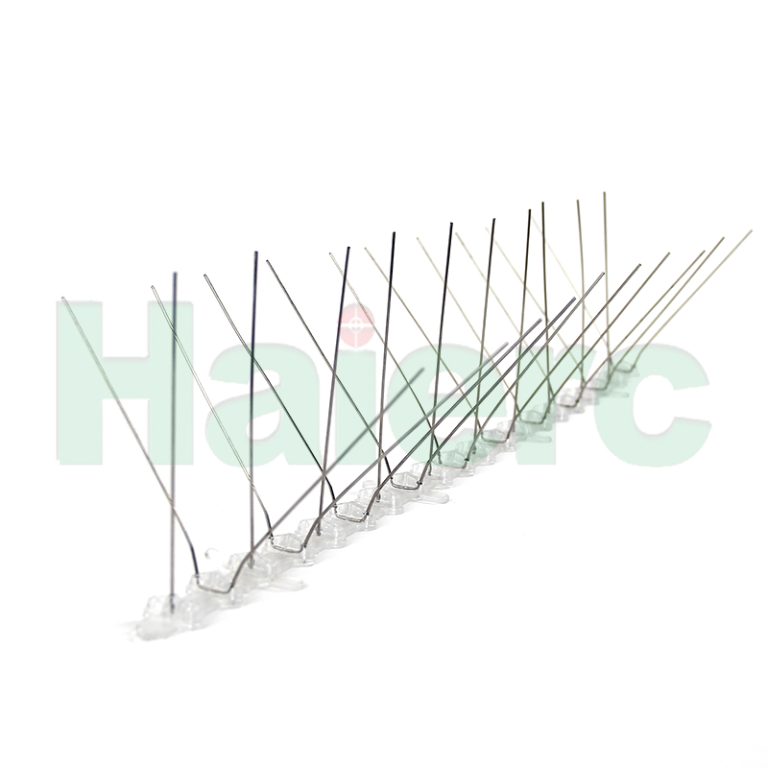
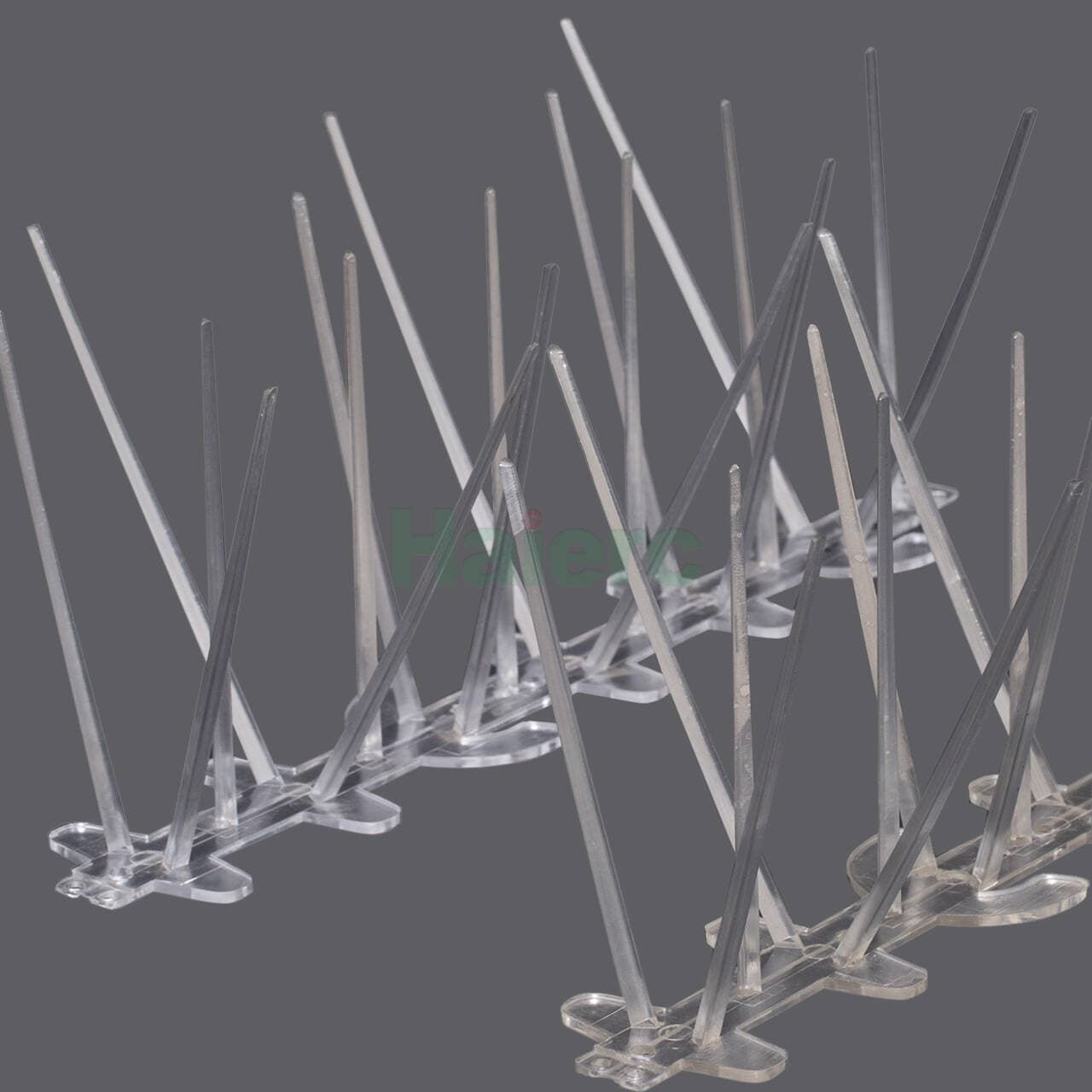
Stainless steel wire set in a polycarbonate base is the default for commercial work. Installers and facility managers in the UK and Germany prefer them because 304-grade steel lasts 10 to 15 years, easily justifying the higher upfront cost. Metal handles thermal expansion during freezing winters far better than all-plastic options, preventing mid-winter snapping.
Polycarbonate Bird Spikes
All-polycarbonate spikes fit the retail and DIY sectors, especially in the Netherlands and Northern Europe. They cost less to produce and blend visually into building facades. They generally ship in standard 33cm or 50cm strips. Homeowners prefer them because the clear plastic is less aggressive visually on residential ledges.
| Feature | Stainless Steel (304) | Polycarbonate |
|---|---|---|
| Durability | High (10-15 years) | Medium (3-5 years) |
| Price Point | Premium | Economy |
| EU Target Market | UK, DE, NL (Commercial) | EU-wide (Retail/DIY) |
Quality standards: REACH compliance, UV stability, and salt spray resistance
You cannot ignore compliance checks. Technical specifications must go beyond measuring wire thickness to survive the EU market.
REACH Compliance
The polycarbonate base and any glues cannot contain restricted phthalates or heavy metals like lead. A serious export factory will hand you a recent REACH certificate from SGS or TUV. If they hesitate, walk away. Without it, your shipment will sit impounded at customs.
UV Stability Testing
Unstabilized plastic cracks after a few summers of direct sun. For the German and Dutch markets, look for a base with a 10-year UV resistance rating. Good factories mix UV inhibitors directly into the resin before injection molding. Always ask to see a 500-hour or 1000-hour accelerated aging test report.
Salt Spray Resistance
Coastal cities like Rotterdam and Liverpool destroy cheap steel. A 201-grade wire will rust in months, leaving orange stains on your client’s expensive stonework. Stick to 304-grade, or 316-grade for direct marine exposure. Demand a 48-hour salt spray test report from the supplier to verify the steel quality.
Factory evaluation checklist for European importers
Anyone can list products on a B2B portal. When evaluating a real manufacturing partner, check these operational realities:
- Tooling Ownership: Do they own the injection molds? Factories that own their molds control the resin mix directly and can handle custom base profiles much faster.
- Spot Weld Strength: For metal spikes, the wire must anchor tightly to the bridge. Ask about their pull-test protocols on the assembly line.
- Production Capacity: Bird control demand jumps in early spring. Ask if they can process 50,000 meters in a 30-day window without delaying shipments.
- In-house QC Lab: Check if they pull random batch samples to test tensile strength or if they just guess based on raw material sheets.
Packaging and branding: OEM, private label, and blister packaging
Margins increase when you control the brand. Buyers are shifting away from blank brown cartons to retail-ready setups.
OEM & Private Label: Most suppliers will print your logo directly on the base or slip custom-printed inserts into the box. If you sell in Germany, remember that translated, localized instruction manuals are legally required for retail products.
Retail Packaging: Garden centers want blister packs holding 3 to 5 meters, punched for hanging hooks. If you supply commercial installers, skip the blister packs. Buy bulk cartons of 100 nested strips to cut down on shipping volume and site waste. Installers hate opening 50 individual plastic blisters on a rooftop.
HS code classification and import duty considerations
Getting the HS code wrong means fines or bad margin calculations. While your customs broker has the final say, these two codes cover most orders:
- HS Code 7326.20: Articles of iron or steel wire. This covers your standard stainless steel spikes.
- HS Code 3926.90: Other articles of plastics. This covers all-polycarbonate versions.
Duties generally float between 0% and 6.5%. Always double-check for active anti-dumping measures on Chinese wire products. Clean paperwork, specifically a Certificate of Origin and an itemized Commercial Invoice, keeps things moving at destination ports.
Lead times, MOQ thresholds, and EU logistics
Freight eats margins if you ignore box dimensions and container volume.
Minimum Order Quantities (MOQ)
Custom-branded runs generally start at 1,000 to 2,000 meters. You can sometimes negotiate lower volumes for factory-standard inventory, but the per-unit freight cost will heavily dilute your profit.
Logistics Optimization
Bird spikes are bulky. Good factories design the V-shape wire to nest closely. A well-packed carton of 100 nested strips should measure roughly 54x15x25cm. Always push for Full Container Load (FCL). A 20ft container maxes out your volume efficiency. Less than Container Load (LCL) works for trials, but EU port un-stuffing fees add up fast. If you run out of stock mid-season, the China-Europe Railway Express hits Germany in about 18 days, serving as a great middle ground before paying expensive air freight.
Sourcing Strategy Recap
Importing bird spikes is a steady, high-margin play if you manage the quality floor. Keep 304-grade steel in stock for the professionals, verify REACH compliance on plastics, and nest your cartons tight to beat sea freight costs. Find a factory that passes the UV and salt-spray tests, and you will capture the commercial demand across Europe.
Internal links for further reading: