Electric Mosquito Killing Lamps: Sourcing Customized UV Solutions for Global Distributors
Sourcing Electric Mosquito Killer Lamps: Custom UV Solutions for Global Distributors
Distributors across the UK, Australia, and France are seeing a sharp pivot toward chemical-free pest control. Buyers no longer want generic bug zappers; they demand high-performance UV systems built for specific environments. A standard off-the-shelf unit fails quickly when outfitting a high-hygiene European commercial kitchen or battling heavy mosquito swarms in the Australian outback. Professional buyers need customized hardware that matches local voltage standards, passes strict safety certifications, and fits exact facility requirements.
The Expanding UV Insect Killer Market in Europe and Australia
Changing climate patterns mean flying pests are staying active longer. Milder winters in the UK and France have stretched the traditional mosquito and fly seasons. Meanwhile, Australia remains a massive market due to heavy insect activity across its tropical and subtropical zones. Commercial buyers are dumping chemical sprays in favor of physical hardware.
The B2B focus has shifted heavily toward low-maintenance durability. Facility managers expect units that run nonstop in warehouses, food processing plants, and agricultural facilities without breaking down. You need industrial-strength builds, like shatterproof stainless steel housings for Parisian cafes or heavy-duty zappers for Australian cattle stations. Tailoring the equipment to the environment separates top-tier suppliers from the rest of the pack.
Technology Overview: UV-A Light Attraction and Capture Methods
The core of any effective mosquito trap is its light source. Mosquitoes and flies are naturally drawn to the 365nm UV-A wavelength, which mimics the heat and light signatures they use to navigate. Quality manufacturers coat their tubes with high-grade phosphors so the lamp maintains peak 365nm output throughout its operational lifespan.
Capture mechanisms break down into three main types. First, the traditional high-voltage grid kills insects instantly upon contact, usually running between 2000V and 4000V. Second, glue board traps capture pests silently and intact. These are mandatory in food preparation zones where scattered insect fragments create contamination risks. Third, fan suction models pull insects into a holding chamber, working best for quieter, smaller indoor spaces. A strong supplier catalog should offer all three variations.
Customization Options: Wattage, Material, and Branding
Sourcing customized mosquito lamps means dialing in the hardware, not just slapping a logo on a generic box. Housing material dictates lifespan. Cost-effective ABS plastic works for residential lines, but commercial buyers want fire-resistant polycarbonate or brushed aluminum to handle heat dissipation. For coastal areas dealing with salt air, Grade 304 or 316 stainless steel is the baseline.
Wattage needs vary by footprint. A 16W unit covers a small patio, but large agricultural sites demand 40W to 80W setups. When placing bulk orders, ask your manufacturer about drop-tested retail packing and standard MOQs, which typically start around 500 to 1000 units for custom-branded runs. You can also specify shatterproof FEP-coated tubes, a non-negotiable requirement in many food processing plants to prevent glass from shattering into the production line. Expect lead times of 30 to 45 days for shipments requiring custom tooling or specialized coatings.
Compliance Requirements: CE, RoHS, CE, and REACH
Importing into Europe or the UK means strict adherence to compliance. Since Brexit, the CE mark has replaced CE for goods entering Great Britain, covering electrical safety and electromagnetic compatibility. For France and the rest of the EU, CE and RoHS remain the baseline, proving the internal components are free from lead and heavy metals.
German REACH regulations also apply, strictly controlling the chemical safety of internal plastics. Reliable suppliers provide current test reports from recognized third-party labs like SGS or TUV. Skipping this step leads directly to border seizures and dead inventory.
UK Distributor Considerations: HACCP and Food Safety
In the UK market, the hospitality and food service sectors drive insect light trap sales. These facilities operate under strict HACCP guidelines, which flatly ban traditional zappers in food prep areas. Instead, buyers need glue board units that capture insects intact on a sticky surface. This allows pest control operators to easily count and identify the catch during routine audits.
UK buyers also prioritize quick maintenance. Tool-free bulb replacement and slide-out catch trays reduce labor costs significantly. Your traps must target a wide range of flying pests, especially houseflies and fruit flies, which cause far more problems in British pubs and restaurants than mosquitoes.
The Australian Market: Fly and Mosquito Pressure
Heat and humidity in places like Queensland make insect control a year-round necessity. Australian buyers look for high-capacity zappers with oversized catch trays that will not overflow after a single humid weekend. Since many units mount outdoors under eaves, strict IP ratings, like IPX4 splash resistance, are mandatory to survive sudden downpours and dust.
The Australian bush fly is notoriously stubborn, requiring specialized attractants or boosted UV output. When sourcing for this region, pay attention to the internal transformer. Rural areas experience frequent power surges that easily destroy cheap electronic ballasts. Heavy magnetic transformers are highly preferred here because they survive harsh, fluctuating power grids.
Quality Checkpoints: UV Tubes, Grid Voltage, and Fire Safety
Look closely at the internal components before committing to a supplier. The UV tube dictates the trap’s actual performance. Name-brand tubes from Philips or Sylvania carry weight with buyers, though select generic alternatives now match their spectral output. Remember that effective tube life tops out at 8,000 to 10,000 hours. After that, the light might still look blue, but the critical 365nm output is dead.
Grid voltage needs to deliver a clean kill without posing an arc fire hazard. Grid wire spacing must block stray fingers while letting large insects pass through. For the chassis, verify that internal plastics meet V0-grade flame retardant standards. Insisting on these exact hardware specs drastically cuts down warranty claims and return rates.
Expanding Your Catalog: Complementary Pest Control Items
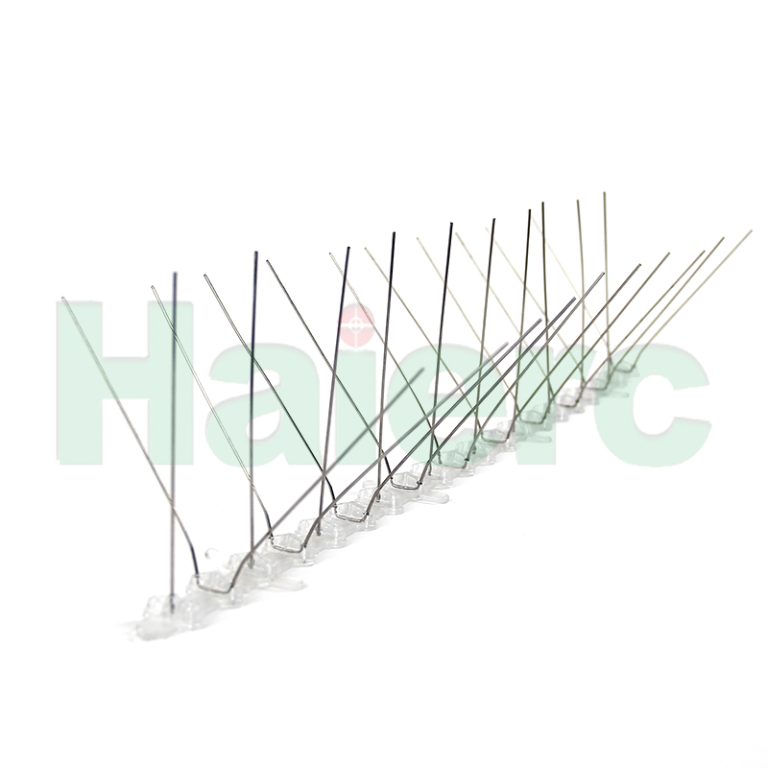
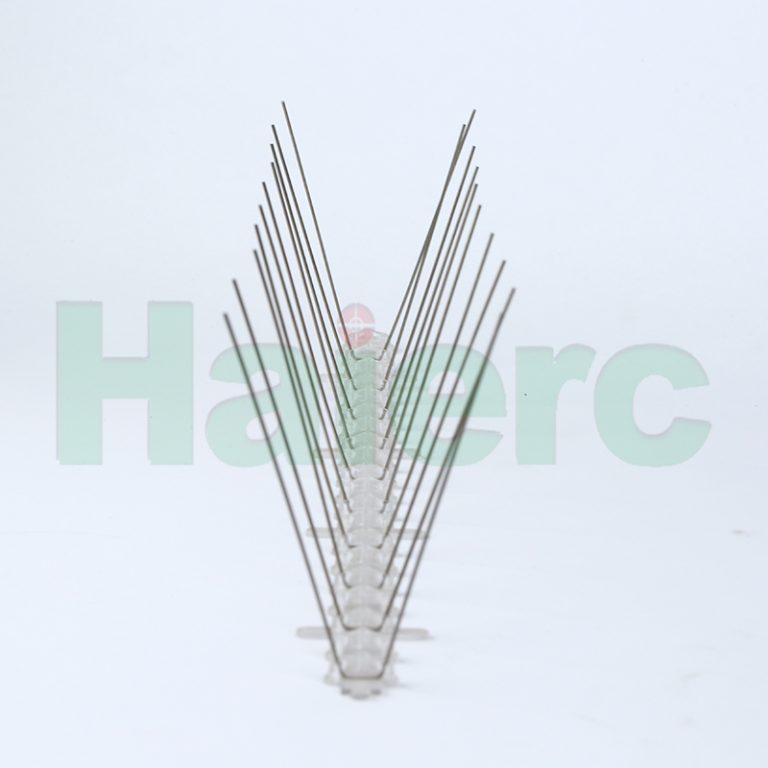
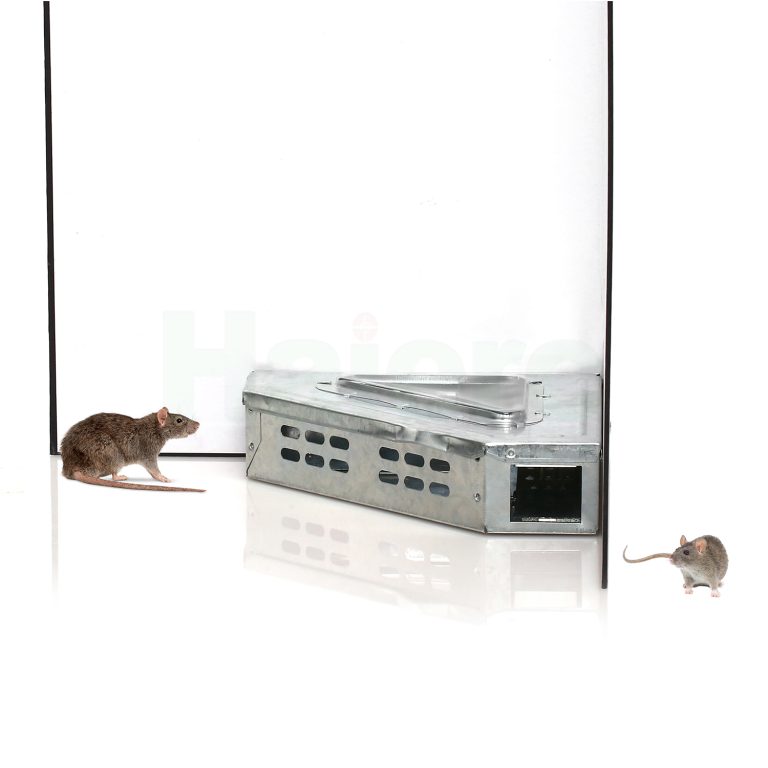
While electric insect lamps drive strong revenue, smart distributors package them with other physical control methods. Installing Anti Bird Spikes on the same commercial ledges holding your UV lamps offers a complete facility protection plan.Durable PP Rat Bait Station a natural cross-sell.
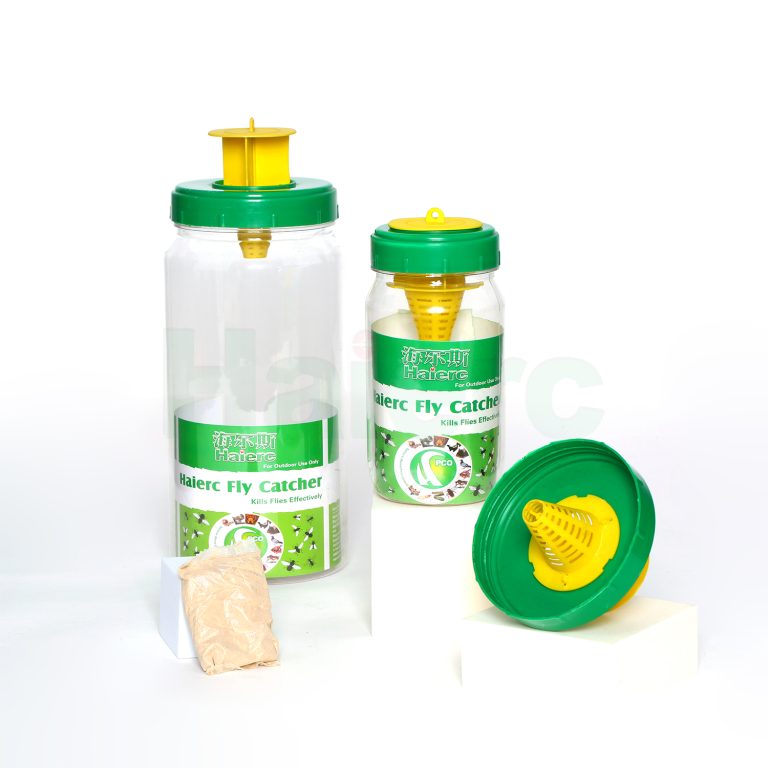
In warehouses, sealing gaps with copper mesh limits the number of pests entering in the first place, ensuring the indoor UV traps are not overwhelmed. Adding an outdoor fly trap bag to manage exterior perimeters turns a single-product purchase into a full-scale vendor contract.
Building a Competitive Custom Product Line
Surviving as a pest control distributor in the UK, Australia, or France requires a reliable manufacturing partner. Tailoring the hardware, whether that means upgrading to suited to help buyers meet HACCP audit expectations glue boards or specifying magnetic transformers, ensures the product actually works in its intended environment. Securing the right certifications, managing 30-day supply chain lead times, and delivering consistent build quality are what separate successful B2B catalogs from generic resellers.