Non-Spark Insect Light Glue Traps for Chemical & ATEX Facilities: A 2026 Distributor Sourcing Guide
What Are Non-Spark Insect Light Glue Traps?
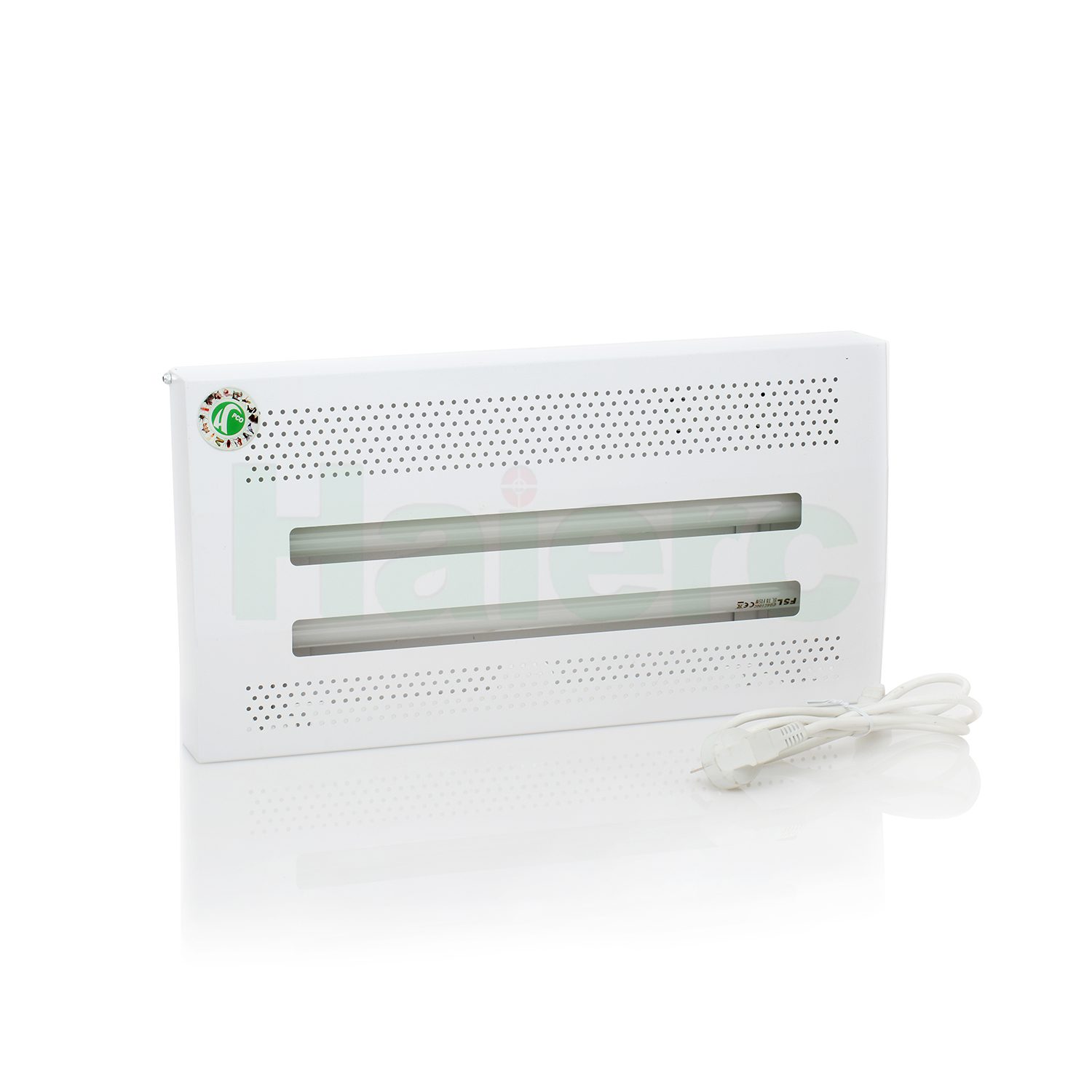
Insect light glue traps are industrial pest management devices that utilize specific ultraviolet light spectrums to lure phototactic flying insects directly onto a non-drying adhesive matrix without producing electrical sparks, arcs, or thermal fragmentation. Standard fly killers rely on high-voltage electrocution grids. Those grids throw insect parts. More dangerously, they create open micro-arcs whenever a moth or fly bridges the contact wires.
In contrast, non-spark insect light glue traps isolate all electrical components inside hermetically sealed or intrinsically safe enclosures. They catch pests silently on glue boards. Pests don’t explode. Volatile ambient fumes don’t ignite.
For chemical plants, solvent storage warehouses, paint formulation facilities, and pharmaceutical synthesis plants, mechanical integrity is everything. Flying pests like blowflies, cluster flies, and drain flies still penetrate bulk chemical warehouses through open loading docks and ventilation louvers. Eliminating these pests cannot come at the expense of plant safety. This technical sourcing guide breaks down what procurement teams and trade distributors must look for when supplying hazardous UK and European industrial vertical sites in 2026.
[ Explosion-Proof Enclosure ]
Why Chemical and ATEX Facilities Face Severe Flying Insect Risks
Chemical plants seem hostile to life. Yet, waste lagoons, distillation runoff channels, cooling towers, and humid raw ingredient storage make ideal breeding zones for persistent pest populations.
Pests create genuine hazards. A single blowfly landing in a pharmaceutical intermediate vat ruins an entire 5,000-liter batch. Contamination events trigger costly product recalls, plant shutdowns, and aggressive regulatory scrutiny from health bodies.
The real danger lies in the operational environment itself. Facilities governed by the UK Dangerous Substances and Explosive Atmospheres Regulations (DSEAR) and European ATEX Directives classify their floors into precise operational risk zones:
-
- Zone 1 / Zone 21: Atmospheres where explosive mixtures of gas, vapor, or combustible dust are likely to occur in normal operations.
- Zone 2 / Zone 22: Atmospheres where explosive mixtures are not likely to occur during normal operations, but if they do occur, will exist only for a short time.
Using conventional electric grid units in these areas is reckless. If a standard high-voltage zapper sparks while acetone, toluene, or fine polymer dust floats through the room, the result is catastrophic combustion.
The cost of inaction or incorrect hardware deployment is staggering. Plant managers face severe civil liability, catastrophic structural damage, and immediate suspension of operating licenses under UK health and safety inspections. Specialist pest management contractors serving the chemical vertical need fail-safe hardware. They demand certified non-spark insect trap chemical plant equipment that eliminates airborne bio-hazards without introducing ignition sources.
UK & European Compliance Frameworks for Industrial Pest Management
Navigating plant compliance requires alignment between pest control efficacy and mechanical safety mandates. Sourcing managers cannot merely look at capture rates; they must ensure the hardware withstands stringent audit frameworks.
The British Pest Control Association (industry guidance) and Confederation of European Pest Management Associations (CEPA) publish rigid operational guidelines regarding flying insect management in sensitive industrial sectors. These frameworks emphasize non-toxic physical containment over indiscriminate chemical spraying. Insecticides can react unpredictably with ambient industrial chemical vapors, leaving physical barriers and glue-based capture mechanisms as the only compliant path forward.
▼ ▼
├─────────────────────────────────┤ ├─────────────────────────────────┤
Chemical manufacturing pest control programs must also meet third-party food-safety buyer audits Global Standard for Storage and Distribution and HACCP flying insect control standards.
- Insect monitoring hardware must not create secondary physical contamination (no insect fragments blown out by zapper grids).
- Light attractant tubes must be shatterproof, utilizing fluorinated ethylene propylene (FEP) protective coatings rated to retain all glass fragments if broken.
- Glue boards must retain adhesive tack under industrial ambient temperature fluctuations ranging from -10°C in cold storage corridors to +45°C near industrial boilers.
When procurement officers order hardware, verifying CE, RoHS, and REACH documentation ensures the metal alloys and adhesive polymers do not contain restricted hazardous substances that could cross-contaminate chemical testing laboratories.
Technical Anatomy of Non-Spark Insect Light Glue Traps
What separates an industrial-grade trap from a standard commercial unit? The answer comes down to raw metallurgy, optical engineering, and electrical isolation.
First, consider the housing. Commercial units use thin painted sheet metal or ABS plastic. In a chemical production facility, corrosive acid fumes, airborne solvents, and rigorous washdown procedures destroy basic materials within months. High-specification units utilize heavy-gauge 304 SS or even 316 Marine Grade stainless steel.
These metals resist caustic cleaning agents, chlorinated sanitizers, and acid washdowns. The structural frame must provide easy tool-free maintenance access while maintaining a rigid chassis that prevents vibration fatigue in plant environments with heavy industrial pumps.
+————————————————————————-+
| NON-SPARK INDUSTRIAL GLUE TRAP (CHASSIS) |
| |
| +——————————————————————-+ |
| | [304/316 Stainless Steel Housing – Corrosion & Solvent Resistant] | |
| +——————————————————————-+ |
| |
| +——————————————————————-+ |
| | Shatterproof FEP-Sleeved UV Lamps (368nm / LED Peak Attractant) | |
| +——————————————————————-+ |
| |
| +——————————————————————-+ |
| | Poly-Grid Non-Spark Shielding (Zone Isolation Barrier) | |
| +——————————————————————-+ |
| |
| +——————————————————————-+ |
| | High-Tack Glue Board Trap (Organic, Solvent-Resistant Adhesive) | |
| +——————————————————————-+ |
| |
| +——————————————————————-+ |
| | Encapsulated Solid-State Electronic Ballast / Power Supply | |
| +——————————————————————-+ |
+————————————————————————-+
Second, the attraction matrix requires precise wavelength targeting. Research published in trade journals like PCT Online highlights that flies respond most aggressively to UV-A light output peaking at 368 nanometers. Non-spark industrial systems use either specialized low-pressure mercury discharge tubes with solid-state ballasts or modern explosion-proof LED clusters.
The electrical drive circuitry must be encapsulated in solid resin to prevent vapor ingress. No sparks can jump. No switches can arc on contact.
Finally, the capture medium itself matters. The glue board sits directly behind or below the light array. It must be impregnated with grid patterns for rapid insect counting during pest audits. The adhesive formulation must remain tacky without drying out under continuous UV exposure.
We formulate glue matrices that avoid solvent evaporation, ensuring the unit itself doesn’t contribute volatile organic compounds (VOCs) to cleanroom or chemical synthesis atmospheres.
Market Trajectory and Hardware Procurement Trends
Industrial facilities are rapidly replacing electric grid units with glue-based capture mechanisms. The global fly trap market reflects this hardware pivot. LED arrays reduce power consumption by up to 60%, generate minimal heat—a critical parameter in temperature-monitored chemical warehouses—and boast operating lifespans exceeding 30,000 hours. Even the most robust ATEX flying insect control unit fails if mounted incorrectly.
-
- Intercept Point Placement: Mount units 3 to 5 meters inside entry doorways, raw loading docks, and personnel airlocks. Catch the flies before they reach processing reactors.
- Line-of-Sight Geometry: Position units perpendicular to loading bay doors so UV light is not visible from the outside, which prevents attracting wild outdoor insects into the building.
- Thermal Height Strategy: Install traps between 1.5 and 2 meters from the floor. Most nuisance flies navigate within this lower thermal air layer. Placing units near high ceilings wastes light output and makes monthly glue board inspection dangerous for technicians.
- Airflow Clearance: Avoid mounting directly in front of heavy HVAC discharge vents or chemical extraction hoods. Turbulent air currents prevent flies from making controlled landings on the target zone.
To assist procurement teams in evaluating manufacturing specifications, the table below outlines critical engineering parameters across industrial hardware grades.
Industrial Insect Light Glue Trap Technical Specifications vs Standard Commercial Hardware
| Specification | Haierc Industrial ATEX / Chemical Grade | Standard Commercial Grade Average |
|---|---|---|
| Chassis Construction | Heavy-gauge 304 SS or 316 Marine Grade Stainless | 0.6mm Painted Mild Steel or ABS Plastic |
| Ignition Protection | Non-spark design, potted ballast, sealed wiring | Standard open contacts, mechanical rocker switch |
| Lamp Technology | FEP Shatterproof UV-A / Industrial LED Modules | Standard un-sleeved glass fluorescent tubes |
| Glue Board Retention | UV-stabilized, non-drying polybutene matrix | Standard rubber-based glue (dries out in 14 days) |
| Corrosion Resistance | Resistant to acids, sanitizers, solvent vapors | Pits and corrodes under washdown regimes |
| Audit Compliance | HACCP, third-party food-safety buyer audits, DSEAR Zone 2/22 compatible | Basic CE commercial compliance only |
| Service Mechanism | Tool-free quick-release front facade | Requires screwdrivers; slow overhead maintenance |
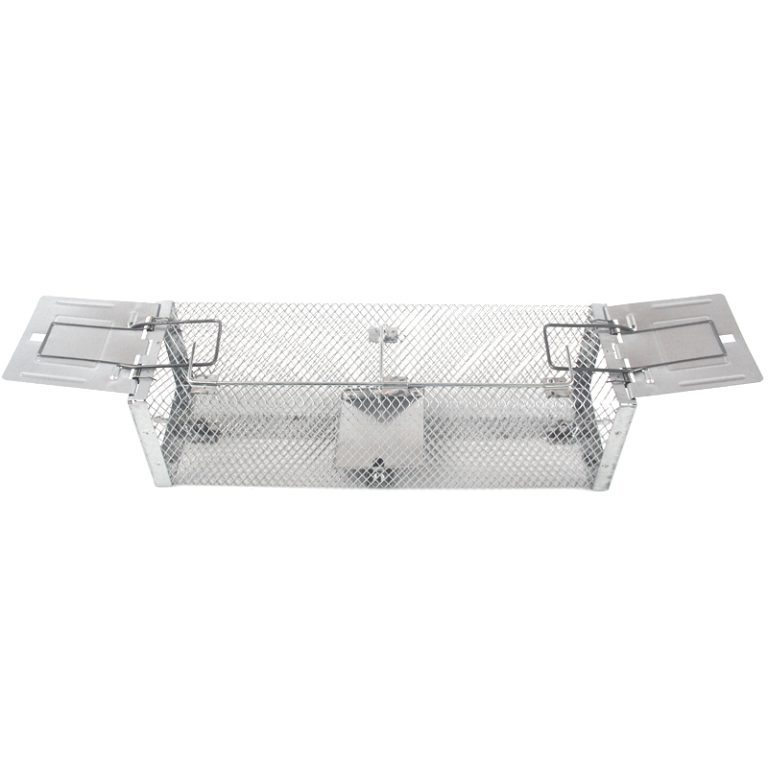
Complementing flying insect hardware with broader physical exclusion tools ensures total facility defense. Distributors often bundle these units with mechanical pest hardware such as the heavy-duty HC1663 industrial multi-catch unit, robust Rodent Glue Board Trap stations, and durable Mouse Poison Holder equipment for surrounding logistics corridors.
Catching Bird Net, high-grade Bird Spikes, or specialized Pigeon Trap systems prevents avian pests from dropping droppings into chemical intake hoppers.
A bird spike system procurement manager USA chemical firm relies on might require identical 316-grade steel specs as an ATEX plant in Manchester.Reflective Eye Bird Scare alongside physical barriers provides passive deterrence without power draw.
OEM/ODM Capabilities and Direct Sourcing from Haierc
Sourcing directly from a dedicated manufacturer gives B2B distributors, brand owners, and large pest control operators (PCOs) full control over product specifications, margins, and market positioning.
Our factory in Tianjin, China has operated for over 18 years, delivering precision-engineered pest management hardware to markets worldwide. Operating under strict ISO9001 quality management systems, our automated metal fabrication, laser cutting, and electronic assembly lines output hardware that meets stringent international safety protocols.
▼ ▼ ▼
├──────────────────┤ ├──────────────────┤ ├──────────────────┤
Distributors often ask us: can we customize chassis geometry, laser-cut your brand logo into the stainless housing, or specify custom UV LED drive boards? Yes, we do it every week.
HC2501T
-
- Low Minimum Order Quantities: Standard production runs start at a 500-unit MOQ, with flexible batch sizes available for trial orders.
- Custom Branding & Private Label: Custom silk-screen branding, laser-etched compliance plates, bespoke carton printing, and custom barcoding for warehouse automation.
- Material Upgrades: Selection of 304 SS, 316 Marine Grade stainless steel, UV-Polycarbonate structural components, or High-tensile Steel wire guards based on your end-user market.
- Reliable Lead Times: 15 to 25 business days standard production lead time, supported by express sea and air freight dispatch channels.
- International Regulatory Compliance: Units are built and tested to comply with CE, REACH, RoHS, BSCI, SEDEX, and EPA operational benchmarks.
Every unit shipped from our loading bays undergoes thorough electrical isolation testing, structural inspection, and glue-adhesion verification before packaging.
Frequently Asked Questions
Q: What makes an insect light trap truly non-spark for chemical plant installations?
A: A non-spark insect light trap replaces open high-voltage electrocution grids with physical glue board capture. All internal electronics, including ballasts, drivers, and switches, are encapsulated or hermetically isolated to prevent any electrical arcing or vapor ingress that could ignite flammable airborne gases, solvents, or combustible dusts.
Q: How often must glue boards and UV lamps be replaced in industrial manufacturing facilities?
A: In standard chemical or industrial environments, glue boards should be inspected every 14 days and replaced at least every 30 days, or sooner if dust coverage exceeds 50%. Traditional fluorescent UV lamps require replacement every 12 months due to phosphor decay, while industrial UV LED modules can operate effectively for up to 3 years (approx. 25,000 to 30,000 hours) before output degrades.
Q: Can standard stainless steel fly traps handle caustic chemical washdown regimes?
A: Standard 201-grade or mild painted steel traps will rapidly corrode when exposed to harsh industrial sanitizers, chlorine, or acid washdowns. For heavy chemical processing and pharmaceutical synthesis rooms, distributors should specify Haierc traps fabricated from 304-grade or 316 marine-grade stainless steel with shatterproof FEP-sleeved lamps to prevent chemical pitting and structural failure.
Q: What is the standard MOQ and production lead time for OEM private label orders?
A: Our standard factory MOQ starts from 500 units for customized private-label production runs, with flexible minimums available for qualified initial evaluation orders. Production lead times typically range between 15 to 25 days from final artwork and engineering approval, with free prototype samples provided for verified trade distributors.
Q: How do glue board fly traps support HACCP and third-party food-safety buyer audits plant audits compared to bug zappers?
A: HACCP and third-party food-safety buyer audits standards strictly forbid equipment that causes insect fragmentation or blow-out near production lines. Electric zappers vaporize and scatter insect debris up to 2 meters away. Glue board traps capture insects intact silently on an adhesive sheet, allowing pest control technicians to accurately count, identify, and document pest species during regulatory hygiene audits.
Secure Your Wholesale Sourcing Advantage
Procuring reliable, certified, and corrosion-resistant non-spark insect light glue traps is essential for winning commercial contracts in the chemical and heavy industrial vertical. Partnering