Pheromone Moth Monitoring for Food Processing: HACCP & FSMA Stored-Product Pest Compliance (2026)
The High Stakes of Stored Product Pests in UK Food Facilities
Stored product pests are a nightmare. They’re not just a nuisance. They represent a direct threat to product integrity, brand reputation, and regulatory compliance. An unchecked population of Indian meal moths or warehouse moths can contaminate thousands of pounds worth of raw ingredients and finished goods with larvae, webbing, and frass, leading to massive product recalls and financial loss. The cost of inaction is staggering. Let’s be honest, nobody wants that phone call from a client whose facility just failed a third-party audit. According to guidance from the British Pest Control Association (industry guidance), a documented and effective pest monitoring program is a cornerstone of due diligence. For facilities certified under third-party food-safety buyer audits, auditors will specifically scrutinize pest management records. They want to see trend analysis. They want to see data. A simple note saying “no moths seen” won’t cut it anymore. They expect to see trap counts, locations mapped on a facility schematic, and clear action thresholds that trigger corrective measures. This is where a professional pheromone moth trap system becomes essential. The regulatory landscape is only getting stricter. The FDA’s Food Safety Modernization Act (food-facility buyer requirements) places a heavy emphasis on preventive controls. A robust food-facility buyer requirements pest prevention plan requires facilities to identify potential hazards—like SPIs—and implement scientifically-validated monitoring to mitigate them. By 2026, enforcement will be even more rigorous for companies exporting to the US. This isn’t just an American issue; it’s setting a new global benchmark that UK producers must meet to remain competitive. Supplying your clients with auditable, high-performance monitoring tools isn’t just a sales opportunity; it’s providing them with a critical piece of their compliance puzzle.
A Proactive Approach: Building a Compliant Moth Monitoring Program
Simply placing a few traps on a shelf isn’t a program. It’s a guess. A compliant moth monitoring program is a systematic process designed for data collection and analysis, satisfying the stringent requirements of HACCP and third-party food-safety buyer audits auditors. Step 1: Site Survey and Risk Assessment
Before a single trap is deployed, a thorough inspection is needed. Identify high-risk zones: raw material receiving docks, dry goods storage, mixing and processing areas, and packaging lines. Look for potential harborage points and historical pest activity. This initial assessment, as advocated by standards from CEPA (Confederation of European Pest Management Associations), dictates the entire strategy. Step 2: Strategic Trap Placement
The goal is to create a monitoring grid. Traps should be placed systematically, not randomly.
- Perimeter: Place traps every 15-20 meters along interior walls of storage areas.
- High-Risk Zones: Increase density around receiving doors, silos, and specific processing equipment. A good starting point is one trap per 100 square meters in these critical areas.
- Verticality: Don’t forget height. Moths can be active at different levels. Place traps at 1.5-2 meters off the floor, but also consider higher placements near roof lines in large warehouses.
- Mapping: Every trap must be numbered and marked on a facility map. This is non-negotiable for any third-party food-safety buyer audits audit.
Step 3: Lure and Trap Selection
Use a trap designed for professional environments. The Haierc HC2608, for example, is a durable, enclosed plastic trap that protects the glue board from dust and moisture—a common issue in food plants. The lure must be species-specific. Using an Indian meal moth pheromone trap is perfect for bakeries and grain storage, but a different lure would be needed for webbing clothes moths in a textile warehouse. Our pheromone moth trap refillable 2026 models ensure cost-effectiveness and reduce waste, an increasing focus for ESG-conscious clients. Step 4: Data Collection and Trend Analysis
This is the most critical step. Traps must be inspected on a regular, documented schedule (e.g., weekly or bi-weekly).
- Record the date, trap number, and number of moths caught.
- Input this data into a logbook or software to track trends over time.
- Establish action thresholds. For example, an average of 5 moths per trap per week might trigger an investigation, while a sudden spike to 20 moths in a single trap demands immediate corrective action, like a targeted treatment or product quarantine.
This data-driven approach moves pest management from a reactive service to a proactive, preventive control, perfectly aligning with the core principles of food-facility buyer requirements and modern food processing pest control HACCP plans.
The Haierc Pheromone Moth Trap (HC2608): Engineered for Auditors
When an auditor picks up a monitoring device, they’re not just looking at a piece of plastic. They’re assessing the professionalism and seriousness of the entire pest management program. That’s why we designed the HC2608 pheromone moth trap from the ground up to meet and exceed auditor expectations. It starts with the materials. The body is constructed from a durable, non-porous polymer that’s easy to clean and won’t harbor contaminants. It’s designed to be securely mounted to walls or posts, preventing it from being knocked over or misplaced during daily operations. The triangular design funnels moths directly toward the lure and glue surface, maximizing capture rates and providing cleaner, more accurate data. Inside, the glue board is easily replaceable. This is a key feature for our pheromone moth trap refillable 2026 line. It means less plastic waste and a lower long-term cost of ownership for your clients. The pheromone lure itself is a high-potency, non-toxic formulation with a controlled release that lasts for 8-12 weeks, ensuring consistent performance between service visits. Each lure is individually sealed in foil to guarantee a shelf life of over 2 years, giving distributors and PCOs confidence in their stock. This level of detail is what separates professional equipment from cheap, disposable pantry moth trap bulk products meant for residential use. Haierc HC2608 Pheromone Trap Specifications vs. Industry Standard
| Specification | Haierc HC2608 Standard | Alternative Option (Disposable Traps) |
|---|---|---|
| Housing Material | Durable, reusable, cleanable polymer | Single-use cardboard or thin plastic |
| Design | Enclosed, dust-resistant design protects glue board | Open-face glue board, easily contaminated |
| Lure Type | High-potency, non-toxic rubber septa lure | Lower-potency, integrated glue-lure |
| Lure Lifespan | 8-12 weeks, consistent release | 4-6 weeks, variable release rate |
| Refillable | Yes, separate glue boards and lures available | No, entire unit is discarded |
| Mounting | Pre-drilled holes for secure wall mounting | Adhesive strip or simple hanging tab |
| Audit-Friendliness | Professional appearance, easy to label and number | Often looks temporary, difficult to document |
Beyond Moths: A Complete IPM Hardware Solution
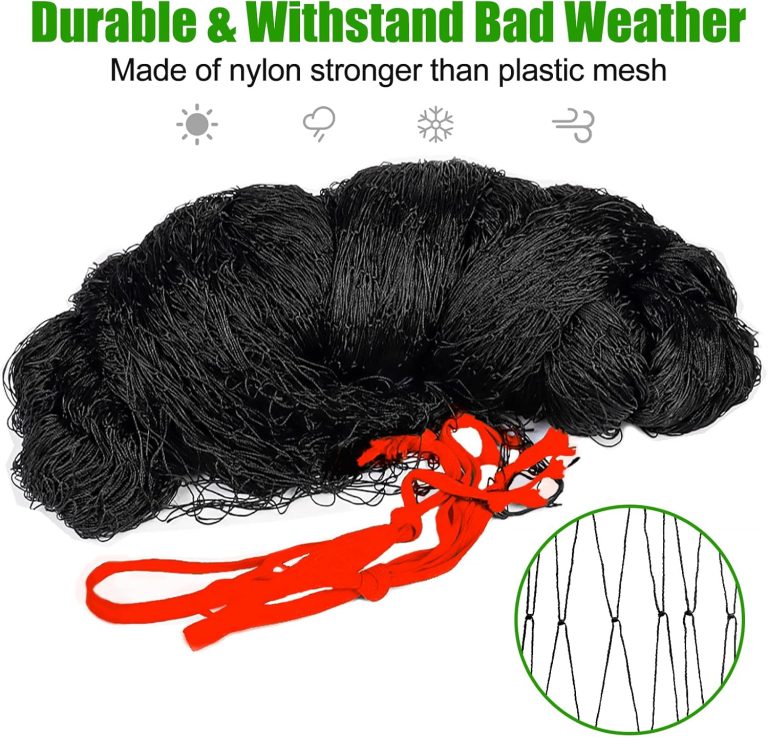
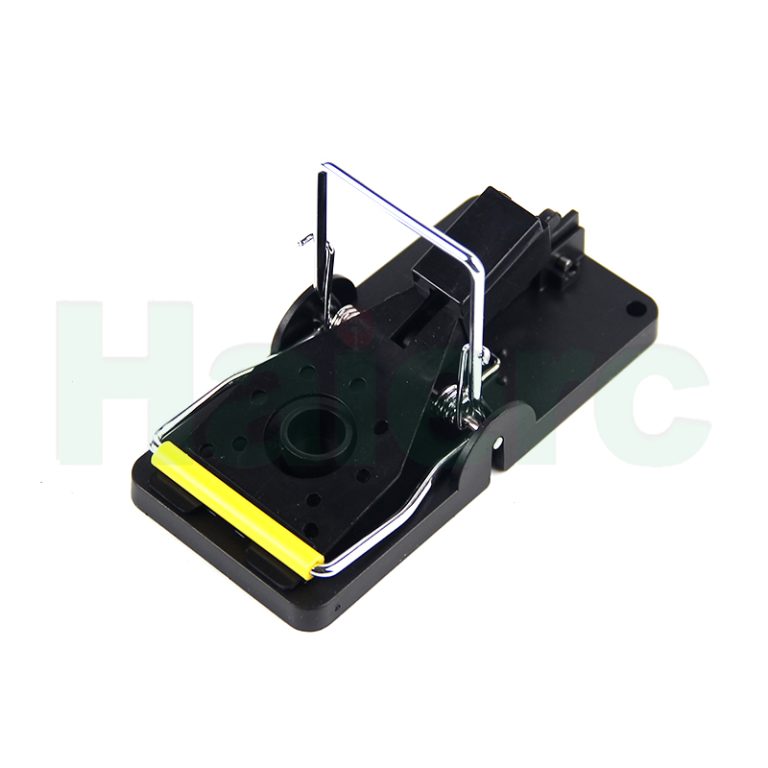
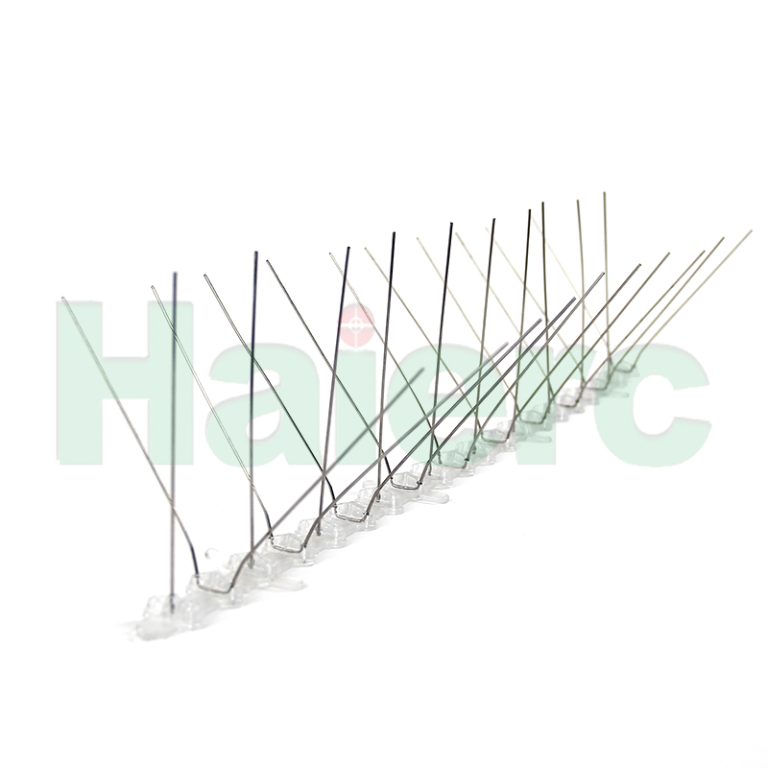
A robust IPM program doesn’t stop with moths. Pests exploit any vulnerability, and your clients need a comprehensive hardware strategy. As a distributor, offering a full line of professional-grade equipment from a single, reliable manufacturer simplifies procurement and ensures consistent quality. At Haierc, we’ve spent over 18 years building a complete portfolio of PCO hardware, all manufactured in our ISO 9001-certified factory in Tianjin. Rodents are a constant threat. Our range includes everything from classic Rat Snap Traps made with high-tensile steel to tamper-resistant, lockable units like the Large Rodent Bait Station with Key. These stations are essential for safely deploying rodenticides or non-toxic monitoring blocks in sensitive areas, a key requirement for third-party food-safety buyer audits compliance. Birds present another major risk, causing contamination and property damage. We are a leading manufacturer of physical deterrents. Our Bird Spikes are available with a durable anti pigeon spike polycarbonate base and feature 304 or 316 marine-grade stainless steel pigeon spike options, making us a top choice for EU importers. We also produce high-quality pigeon netting and other solutions like the Bird Scare Ball. A comprehensive bird control strategy is often the first line of defense for a food facility. Finally, for flying insects beyond moths, our Insect light glue traps offer a silent, discreet alternative to traditional zappers, perfect for front-of-house areas or sensitive processing zones. From a cockroach insect killer station to a heavy-duty Galvanizing Mole Trap for exterior grounds management, our catalog covers every facet of a professional IPM plan.
Why Partner with Haierc PCO for Your Hardware Needs?
Choosing a manufacturing partner is a major decision. You need reliability, quality, and a team that understands the pest control industry. That’s who we are. For over 18 years, Haierc has been a dedicated B2B manufacturer of professional pest control hardware. We’re not a trading company; we own and operate our factory in Tianjin, China. This gives us complete control over quality, from raw material sourcing to final assembly. Our facility is ISO 9001 certified, and our products meet CE, REACH, and RoHS standards, ensuring they’re ready for the UK and EU markets. We export to over 80 countries, so we understand global logistics and customs requirements. We offer flexible MOQs, starting from just 500 units, with free samples available for qualified distributors to test and verify our quality. Our standard lead time is a reliable 15-25 days. Need a custom solution? Our OEM/ODM services are comprehensive. We can provide private labeling, custom packaging, and even product modifications to meet your specific market needs. Our engineering team will work with you to develop the exact hardware your clients are asking for. When you partner with Haierc, you get more than a supplier. You get a factory on your team.
Frequently Asked Questions
Q: What is the shelf life of the Haierc pheromone lures?
A: Our pheromone lures are individually sealed in foil packets to protect them from air and light. When stored in a cool, dry place, the unopened lures have a shelf life of at least 24 months. Once opened and placed in a trap, the lure will remain effective for 8-12 weeks, depending on environmental conditions like temperature and airflow.
Q: Are your pheromone moth traps species-specific?
A: Yes, they are. Pheromones are highly specific chemical signals. Our most common lure for food facilities targets Plodia interpunctellaPyralidae family. We can also provide lures for other specific stored product pests upon request for large volume orders. Using a species-specific lure is critical for accurate monitoring and is a best practice under IPM guidelines.
Q: How does using a refillable trap like the HC2608 help with third-party food-safety buyer audits audits?
A: Auditors value professionalism, consistency, and sustainability. The HC2608 is a durable, permanent fixture that can be numbered and mapped, demonstrating a serious, long-term approach to monitoring. Its cleanable surface and protected glue board ensure data integrity. Furthermore, using a refillable system reduces plastic waste, which aligns with the growing ESG and sustainability components of corporate audits. It shows a commitment to both food safety and environmental responsibility.
Q: What is the minimum order quantity (MOQ) for your pheromone traps for a new UK distributor?
A: Our standard MOQ from 100 pcs (OEM from 500) units, which allows for cost-effective production and shipping. However, we are flexible for new partners and can support smaller trial orders. We want to build long-term relationships and are confident that once you see the quality of our hardware, you’ll see the value in stocking the full Haierc PCO line.
Your clients in the food processing industry can’t afford to compromise on their pest monitoring programs. The risks are too high, and the auditors are too thorough. Providing them with professional, durable, and effective hardware like the Haierc pheromone moth trap system positions you as a true partner in their food safety and compliance efforts. It’s a tool built for the data-driven demands of 2026 and beyond. We’ve built our reputation on quality manufacturing and strong partnerships with distributors worldwide. Let us show you the difference that factory-direct sourcing can make for your business. Ready to see the quality for yourself? Request samples or wholesale pricing → https://www.haierc.com
-768x768.png)