US Distributor Mouse Trap Buying Guide: Snap, Electronic & OEM | Haierc PCO

US Distributor Mouse Trap Buying Guide: Snap, Electronic & OEM | Haierc PCO
Rodent pressure in major US hubs like New York, Chicago, and Los Angeles remains a constant challenge for the industry. For a distributor, your reputation depends on whether the gear you sell actually works when a technician sets it in a crawlspace or a commercial kitchen. Success in 2026 isn’t just about having stock; it is about providing hardware that survives the rigors of the field while keeping your own margins healthy. This guide outlines how to source inventory that meets the expectations of modern Pest Control Operators (PCOs).
US Pest Control Market Dynamics
The days of settling for generic, low-quality traps are over. PCOs now prioritize tools that fit into Integrated Pest Management (IPM) programs, where durability and data matter more than the lowest possible price point. Residential and commercial clients expect professional results, which puts the burden on distributors to find suppliers who can deliver consistent quality. Balancing high-volume snap trap orders with specialized electronic and multi-catch systems is the standard strategy for maintaining a competitive edge in North America.
Many US-based firms are also coordinating with partners across the border to ensure a steady supply of hardware for regional contracts. This cross-border cooperation helps stabilize pricing and ensures that inventory levels remain predictable even during sudden seasonal spikes in rodent activity.
Section 1: Evaluating Trap Types: Snap, Electronic, and Live Catch
A successful catalog needs to cover different environments. Each trap type serves a specific role for the technician in the field.
Professional-Grade Snap Traps
The traditional snap trap is still the high-volume king. The current industry standard has moved away from wooden bases toward high-impact polystyrene. This material is non-porous, meaning it won’t absorb blood or odors, making it easier for technicians to clean and reuse. When evaluating these, look for high-tension springs that provide a clean kill every time. Models with expanded trigger pedals are preferred because they increase the strike zone, reducing the number of ‘stolen bait’ calls that frustrate field staff.
Electronic Rodent Traps
Electronic traps are ideal for sensitive indoor accounts like hospitals and food processing plants where traditional methods might be restricted. These units provide a high-voltage shock for an instant kill. For distributors, these represent a higher ticket item and pull in recurring revenue through battery replacements and maintenance kits. US PCOs generally look for units with external indicator lights so they can check the trap status without having to open the station.
Live Catch and Multi-Catch Stations
Sustainability policies are driving a higher demand for live catch options. Multi-catch stations are the workhorses of the logistics and warehousing sector. A single station can often hold up to a dozen mice. These units are essential for perimeter control in large facilities where checking individual snap traps would be too labor-intensive for the service contract.
Section 2: Supplier Selection Criteria
Choosing a manufacturing partner is a strategic move that goes beyond the unit price. US distributors need reliability in three specific areas: quality control, inventory speed, and support.
A batch of weak springs can destroy your credibility with a local pest control company. Look for suppliers who can provide batch testing data and clear spec sheets. Testing trigger sensitivity across different temperatures is a must for gear used in both freezing warehouses and hot attics.
The rodent season doesn’t wait for late shipments.Typical lead times for sea freight are hovering around 35 to 45 days, so planning for the fall rodent peak needs to happen by early summer. Suppliers with domestic warehousing or rapid-response production lines offer a massive advantage when a local outbreak occurs.
When a technician has a question about a specific trigger mechanism, you need an immediate answer. Reliable suppliers provide video guides and direct technical assistance that you can pass on to your customers.
Section 3: Private Label and OEM Opportunities
Creating a private label brand is a proven way to stop your customers from price-shopping your inventory against other local distributors. Original Equipment Manufacturer (OEM) agreements allow you to put your own logo and branding on the hardware.
Suppliers who offer OEM services can customize the color of the plastic, emboss your company logo on the trigger, and provide custom packaging. This turns a commodity product into a proprietary tool that belongs only to your firm. It also gives you a stronger position when bidding on large municipal or corporate contracts where brand exclusivity is a factor.
Section 4: Pricing and Margin Realities
Profitability in distribution comes from smart tiering. When sourcing, you need to understand your landed cost at different volume breaks.
Most successful distributors use a three-tier system. Tier one covers the small PCO buying a few cases. Tier two is for regional players buying by the pallet. Tier three is reserved for national accounts. To make this work, your base purchase price must be low enough to allow for healthy markups at every level.
Don’t compete solely on price. Focus on the total cost of the tool. A trap that costs a few cents more but lasts for three seasons instead of one is an easier sell to a smart PCO. High-quality professional gear often supports 30% to 40% margins if you market the technical benefits correctly.
Section 5: Logistics and Import Details
Logistics can quickly eat into your profits if not managed correctly. If you are importing directly, you must stay current on US Customs and Border Protection (CBP) regulations and any applicable tariffs.Standard master cartons often contain 72 or 144 units, nested tightly to minimize ‘air’ in the shipping container and lower the landed cost per unit.
Efficient packing is critical. Nested traps reduce the volume of the shipment, which directly lowers your freight costs. Many distributors now request bulk-pack configurations, where individual retail boxes are swapped for large poly bags. This reduces waste and aligns with the green initiatives many PCOs are adopting.
Expanding Your Inventory
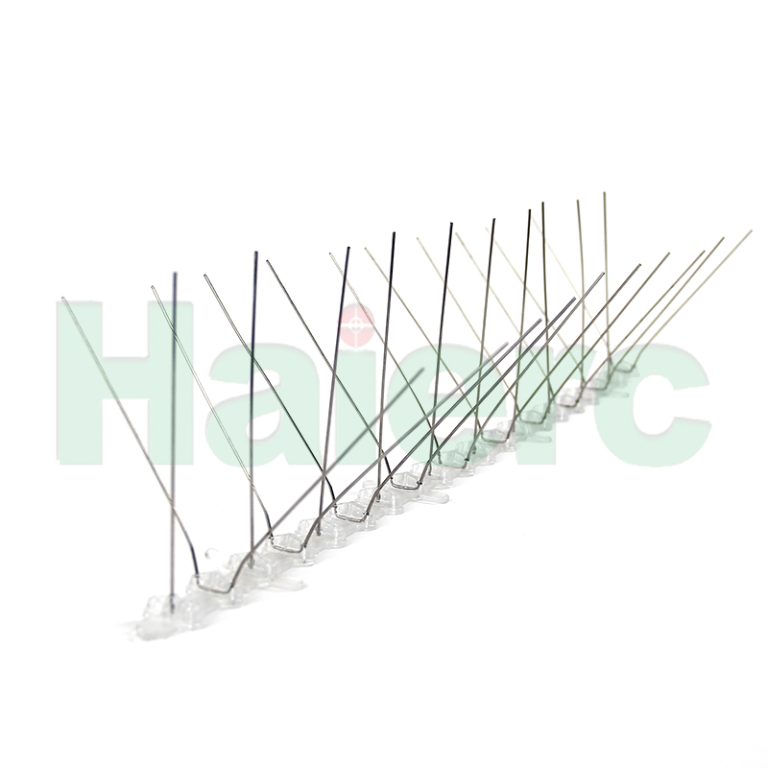
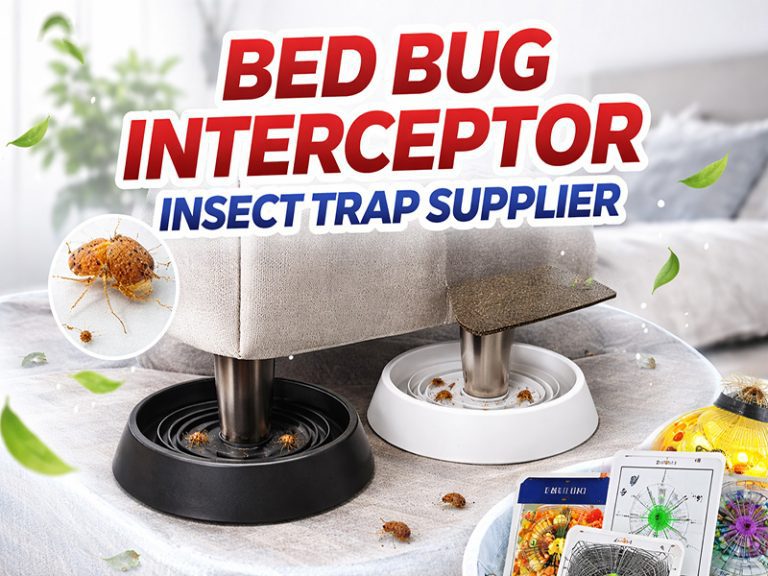
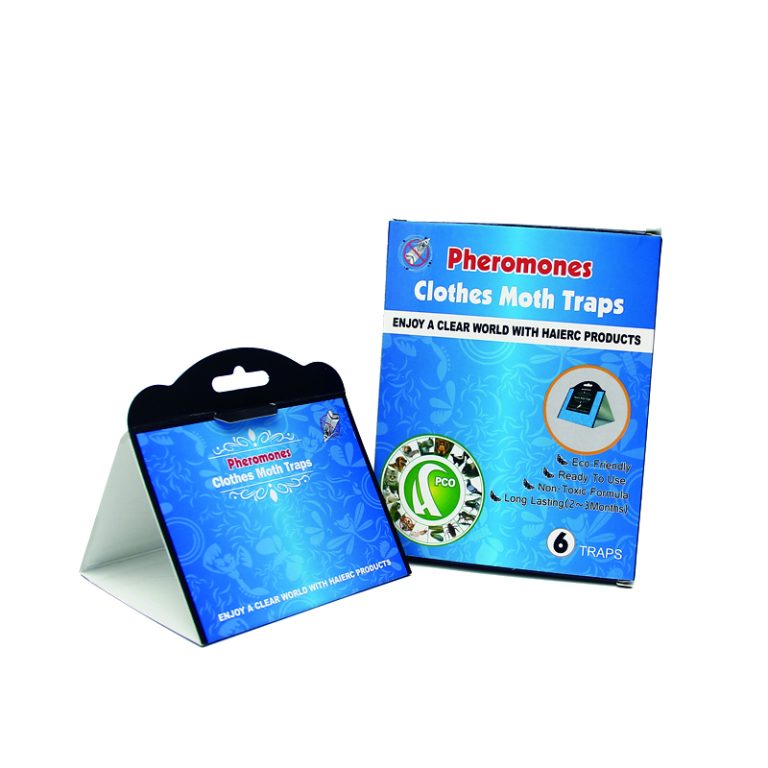
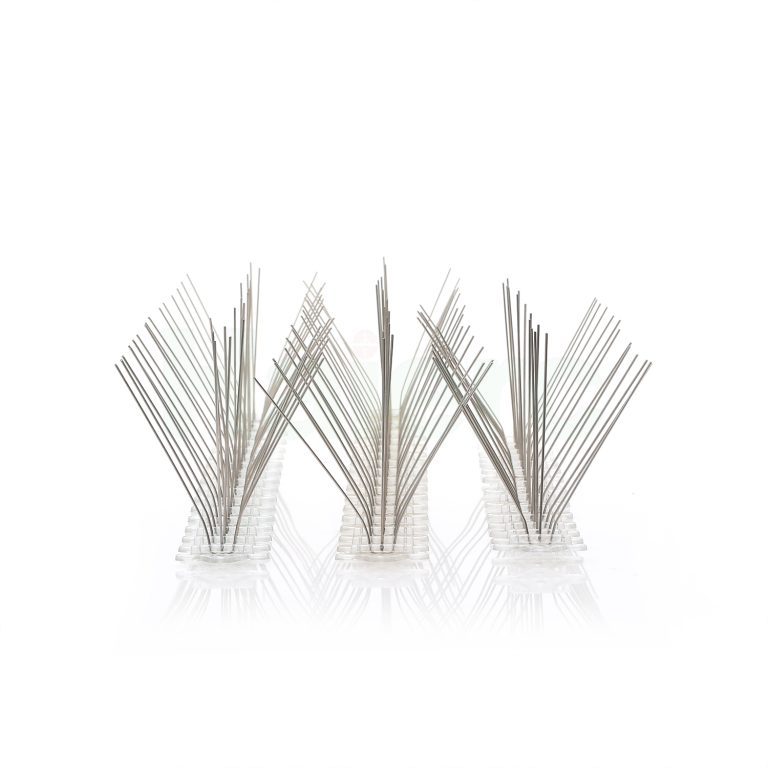
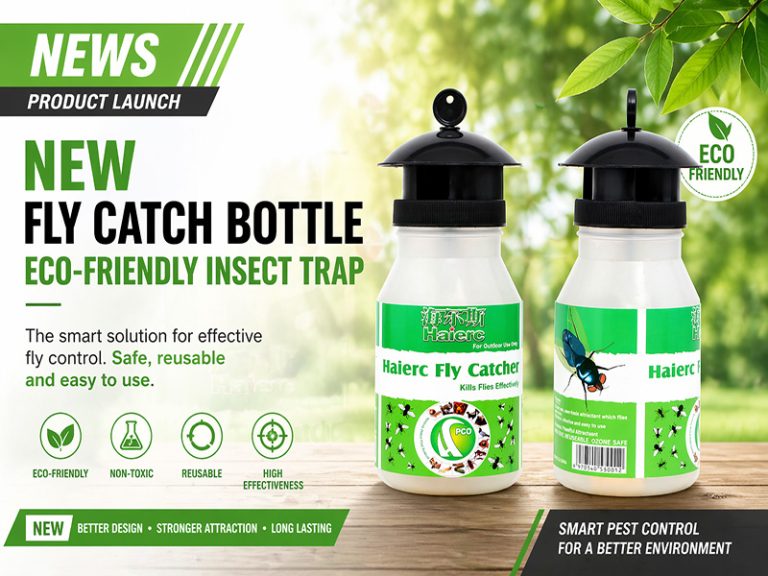
Mouse traps are a staple, but they shouldn’t be your only offering. A customer buying a case of snap traps often needs bird control or insect management tools as well. These items often share the same shipping containers and target the same commercial accounts, allowing you to bundle shipments and simplify your procurement process.
Building a Sustainable Product Line
Scaling a distribution business in 2026 requires a focus on field performance and strong manufacturing ties. By securing reliable inventory and exploring OEM branding, you can build a line that PCOs trust for their daily routes. Whether you are filling a small local order or supplying a national firm, the quality of the hardware determines how far your business can go.
Focus on the mechanics: the speed of the trigger, the tension of the spring, and the durability of the housing. These are the details that prevent callbacks for the PCO and keep them coming back to your counter.
Become a Distributor
If you are looking to upgrade your rodent control stock, we provide professional-grade wholesale programs and full OEM services for US and Canadian distributors. Contact us to discuss your specific volume needs and learn how our 2026 hardware can support your business growth.
-768x768.png)