How to Install Bird Repellent Devices on Commercial Roofs | Haierc
Problem Background: Why Rooftop Bird Infestations Demand Physical Exclusion
Pigeons ruin roofs. In Australia, feral pigeons (Columba livia), Indian mynas, and silver gulls treat vast warehouse roofs, parapets, and rooftop solar arrays as prime real estate. Bird droppings contain high levels of uric acid. This compound eats through protective Colorbond coatings, corrodes HVAC components, and leaves solar panels operating at a fraction of their rated capacity.
When pest birds roost above loading docks or food processing zones, the risk multiplies. Droppings carry Salmonella, Cryptococcus, and E. coli. These pathogens threaten your HACCP status and trigger immediate non-conformance notices under BRCGS food safety audits. According to data reported in PCT Online, non-chemical physical exclusion remains the most dependable method for long-term avian management in high-pressure commercial environments. Relying on visual scare tapes or temporary chemical repellents won’t cut it when nesting pressure is high.
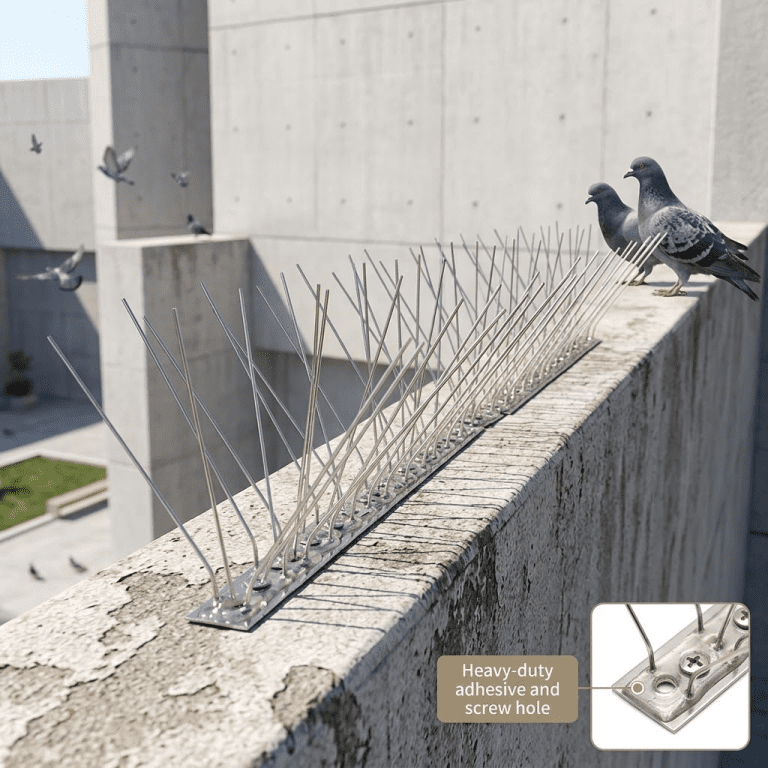
Implementing durable Bird Repellent Devices creates a permanent physical barrier. Pest birds cannot land, rest, or build nests on treated ledges. The global bird spikes market CAGR 11.6% 2033 projection underscores how fast commercial facility managers are shifting their budgets away from recurring chemical treatments toward heavy-duty physical exclusion hardware. Installing these systems correctly the first time prevents costly callbacks and protects capital investments across your facility footprint.
TYPICAL COMMERCIAL ROOFTOP SETTLING ZONES
+——————————————————-+
| [HVAC UNIT] [SOLAR ARRAY] [PARAPET LEDGE] |
| (High Heat) (Sheltered Nesting) (Roosting Edge) |
| | | | |
| HC2620 Spikes Mesh & Clips HC1663 Spikes |
| (Marine Grade) (No-Drill Mount) (304 Stainless)|
+——————————————————-+
Rooftop Vulnerabilities and Australian Climate Triggers
Why do birds single out specific commercial roof sections? Rooftops provide elevated vantage points away from predators, combined with continuous thermal updrafts from air handling equipment. In Australia’s harsh climate, solar panel arrays create an artificial microclimate. The space beneath commercial photovoltaic modules is shaded, protected from driving rain, and warm. Feral pigeons settle in these gaps within weeks of array commissioning.
Coastal conditions complicate the problem. If your facility sits within twenty kilometers of the ocean in locations like Brisbane, Newcastle, or Perth, airborne salt accelerates rust on substandard steel fasteners. Standard zinc-plated spikes disintegrate within two seasons under these conditions. Australian UV levels also degrade cheap plastics rapidly. A low-grade polycarbonate base turns brittle and shatters under the weight of larger birds or during routine roof maintenance.
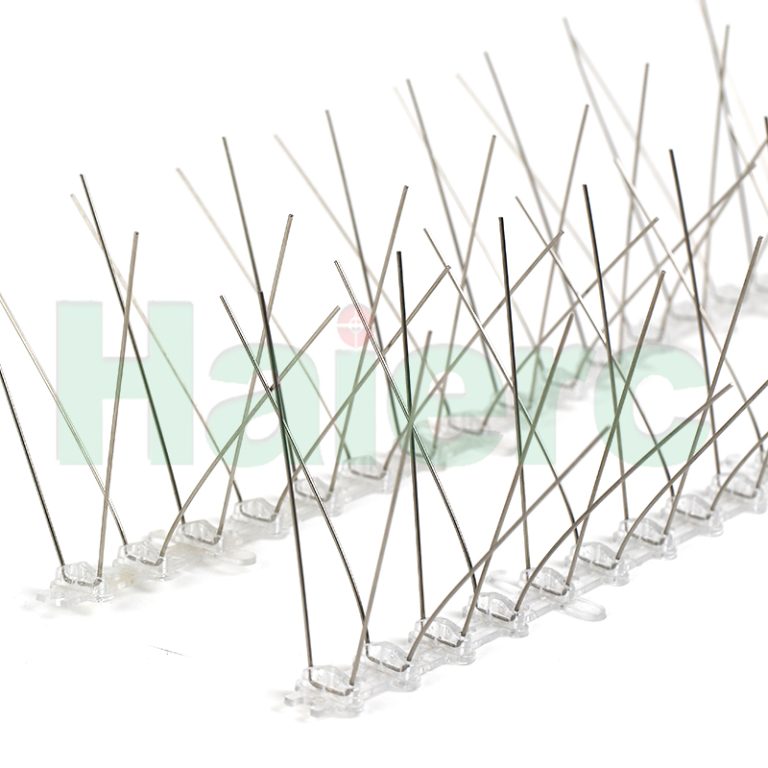
High bird pressure requires mechanical resilience. Birds don’t just leave because a surface looks slightly inconvenient; they push against physical barriers to reach established nesting sites. When selecting hardware, matching the material grade to the environmental pressure is critical. For instance, high-tensile 304 SS or 316 marine-grade spikes mounted on a UV-stabilized polycarbonate bird spike base 2026 design will withstand decade-long UV exposure and marine salt air without structural failure.
+———————+——————————————————–+
| Facility Zone | Primary Bird Threat & Environmental Stressor |
+———————+——————————————————–+
| Parapet Edges | High roosting pressure; heavy wind and direct UV load. |
| Solar Panel Gaps | Feral pigeon nesting; intense under-panel heat build-up|
| Cold Storage Flutes | Gull perching; rapid condensation cycling. |
| Loading Docks | Sparrow and swallow nesting in structural I-beams. |
+———————+——————————————————–+
Step-by-Step Guide: How to Install Bird Deterrent Spikes and Repellent Systems
Installing physical exclusion systems requires clean surfaces, accurate spacing, and the correct fasteners. Follow these field-tested steps to ensure your installation holds up under heavy weather and high bird pressure.
+————————————————————————–+
| 5-STEP INSTALLATION PROCESS |
| |
| [1. Assess & Clean] –> [2. Dry-Fit & Measure] –> [3. Apply Fix] |
| Scrape & Disinfect Eliminate Landing Gaps Adhesive / Rivet|
| | |
| [5. Perimeter Audit] <—————————- [4. Solar Edge] |
| Inspect Adjoining Zones Clip Mount Gaps |
+————————————————————————–+
Step 1: Site Preparation and Surface Decontamination
Never install bird deterrent spikes over raw bird droppings, moss, or peeling paint. The adhesive will fail within months.
1. Don personal protective equipment, including an N95 respirator, safety goggles, and nitrile gloves.
2. Wet down the area with an enzymatic cleaner or disinfectant to prevent airborne spores during removal.
3. Scrape off dried guano, nesting material, and debris using a stiff wire brush.
4. Wipe the surface clean with isopropyl alcohol or a fast-drying mineral solvent. Let the surface dry completely before applying primers or adhesives.
Step 2: Ledge Measurement and Dry-Fitting
Pigeons can perch on an exposed ledge as narrow as 20 millimeters. If you leave a gap between the outer edge of your spike strip and the ledge edge, birds will simply sit in front of the spikes.
1. Measure the ledge depth accurately. For ledges wider than 100 millimeters, plan for multiple parallel rows.
2. Dry-fit your spike strips end-to-end. Leave no more than 25 millimeters between the tips of adjacent strips.
3. Overhang the outer row of spikes slightly past the front edge of the ledge. This prevents birds from gaining a toehold on the lip.
4. When securing parapets, align the central base channel so the splayed wires extend past the perimeter edge.
Step 3: Fastening Methods for Sheet Metal and Masonry
Select your fixing method based on the substrate and local wind conditions:
- Polyurethane Adhesive: Use a commercial-grade, exterior neutral-cure adhesive on concrete, brick, and Colorbond steel. Run a continuous bead (roughly 8mm thick) along the underside of the base. Press the base firmly down so adhesive oozes out through the pre-formed base holes. This creates a mechanical rivet effect once cured. Allow 24 hours of dry weather for full curing.
- Mechanical Screws or Rivets: For timber ledges or thin sheet metal where vibration is high (such as conveyor housings), use self-drilling 304 SS screws. Drive fasteners every 150 millimeters along the base mounting holes.
- Specialized Clamping: On standing-seam metal roofs or solar panel trim, avoid drilling. Use a stainless steel bird spike solar panel clip 2026 system that locks onto the panel frame lip without voiding manufacturer warranties.
CORRECT BASE ADHESIVE APPLICATION (CROSS SECTION)
Spike Wire Spike Wire
\ /
\ /
+——-+——————+——-+ <- Polycarbonate Base
| (o) (o) | <- Screw / Glue Holes
+—~~~———————-~~~—+
====================================== <- Continuous Adhesive Bead
Step 4: Securing Solar Panel Perimeters
Solar arrays require an integrated approach. Spikes alone may not stop smaller birds from slipping beneath the array frames.
1. Measure the drop distance from the top lip of the solar panel frame to the roof sheeting.
2. Cut galvanized or PVC-coated wire mesh strips to fit the drop height plus a 30mm bend at the bottom.
3. Fasten the mesh using specialized solar panel clips spaced every 300 millimeters along the frame lip.
4. Install wide HC1663 spike strips directly on top of the outer frame edges to stop birds from using the top perimeter as a lookout perch.
Step 5: Post-Installation Inspection and Maintenance Cycles
Inspect the installation 48 hours after application to verify adhesive bonding strength. Schedule bi-annual checks to clear trapped leaves, twigs, or windborne litter from between the spike wires. While stainless steel spikes require little upkeep, maintaining a clean perimeter keeps the physical deterrent working at peak performance.
Recommended Bird Exclusion Hardware for Commercial Applications
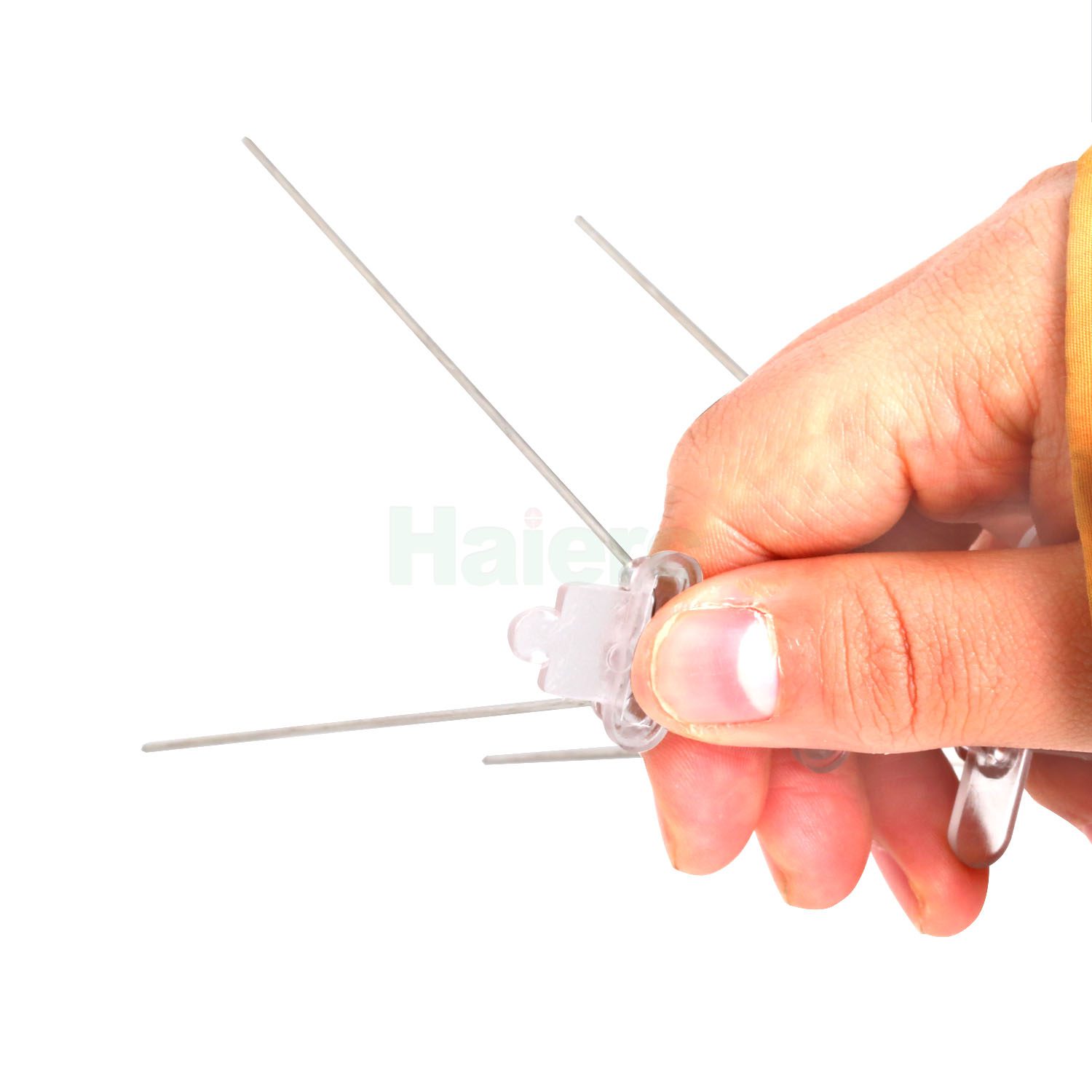
Commercial sites require specific hardware geometries depending on bird species and ledge dimensions. The HC1663 represents our heavy-duty workhorse configuration for broad ledges, utilizing 304-grade stainless steel wires mounted into a flexible UV-resistant base. For narrower flashing or marine installations, models like the HC2620 and full Bird Spikes with Stainless Steel Base provide zero-compromise corrosion resistance.
+—————————————————————————————————+
| MODEL SELECTION QUICK REFERENCE |
+————-+———————-+——————–+——————–+——————–+
| Model | Base Material | Spike Material | Spread Width | Target Application |
+————-+———————-+——————–+——————–+——————–+
| HC1663 | UV Polycarbonate | 304 Stainless | 150 mm (Wide) | Parapets, I-Beams |
| HC2620 | 304 Stainless Strip | 304 Stainless | 100 mm (Standard) | Flashing, Gutters |
| HC2608C | Reinforced Polycarb | High-Tensile Steel | 120 mm (Medium) | Signs, Light Poles |
+————-+———————-+——————–+——————–+——————–+
Haierc Bird Deterrent Hardware Specifications vs Industry Standard
| Specification | Haierc Professional Standard (HC1663 / HC2620) | Industry Average Hardware |
|---|---|---|
| Wire Material | 304 Stainless Steel or 316 Marine Grade (high resilience) | 201 Stainless Steel or Galvanized Iron |
| Base Construction | Virgin UV-Stabilized Polycarbonate or 304 SS Base | Recycled PVC or un-stabilized plastic |
| Wire Tensile Strength | ≥ 1200 N/mm² (anti-crush rigidity) | 600–800 N/mm² (bends easily under pressure) |
| Base Flexibility | Break-away segments + curve-ready cold bend | Rigid base (cracks when curved over pipes) |
| UV Resistance Rating | Tested for 10+ years direct outdoor AU exposure | 2–3 years before chalking and cracking |
| Factory Compliance | ISO9001, CE, REACH, RoHS, BSCI Certified | Uncertified regional workshops |
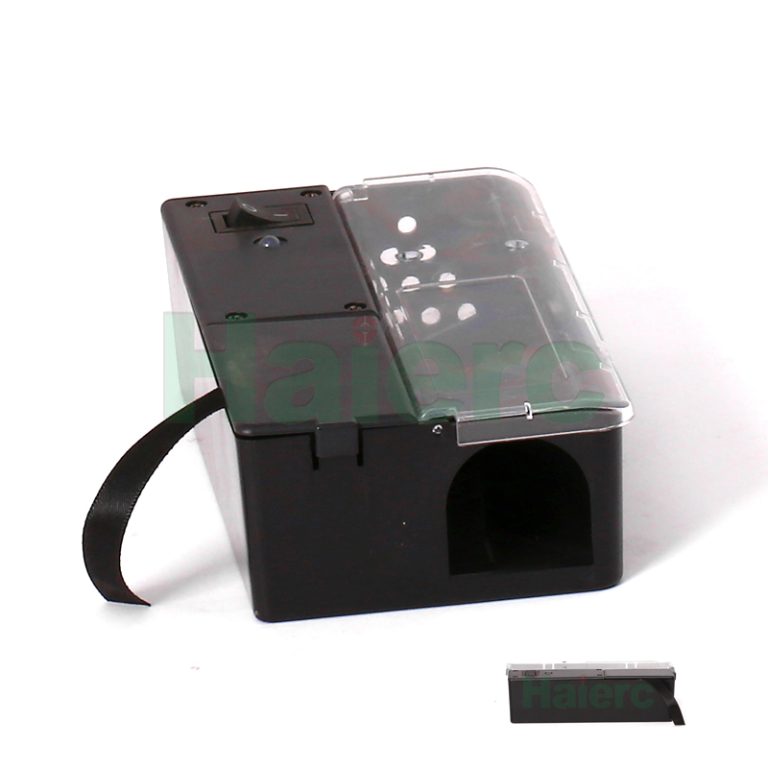
When large open voids or warehouse rafters are targeted by birds, spikes should be complemented by physical netting like our Normal Mist Bird Net or heavy-duty polyethylene bird netting. For complex industrial pest exclusion where rodents and birds enter through shared pathways, integrate structural barriers alongside our Waterproof Rodent Bait Station or the heavy-gauge Wooded Rat Snap Trap to maintain strict site-wide IPM integrity.
Common Mistakes to Avoid in Commercial Bird Proofing
Facility teams often make avoidable errors when deploying physical exclusion systems:
1. Leaving Gaps on Wide Ledges: A single row of spikes down the middle of a 300mm concrete parapet leaves resting zones on either side. Install two or three parallel rows so the wire tips overlap, leaving zero landing space.
2. Using the Wrong Glue: Silicone bathroom sealants fail quickly under Australian summer roof temperatures, which easily reach 65°C. Always specify an MS-polymer or exterior polyurethane adhesive.
3. Ignoring Animal Welfare Standards: Physical barriers must exclude birds without impaling them. Using blunt, engineered tips conforming to standards like the humane pigeon spike UK 2026 guidelines ensures compliance with both Australian state animal welfare acts and international export audits.
4. Neglecting Trapped Nesting Sites: Sealing a perimeter while adult birds or chicks remain inside leads to animal decay, foul odors, and secondary dermestid beetle infestations. Flush out all birds before sealing access points.
5. Overlooking Ancillary Areas: Birds displaced from one parapet often drop down to lower air conditioning brackets or pipe runs. Treat secondary ledges during the initial job to prevent simple relocation across your roof.
POOR vs CORRECT ROW SPACING ON A WIDE LEDGE
POOR: Single Row (Birds nest on open sides)
+—————————————————+
| [Bird Landing] \ | / Spikes [Bird Landing] |
+—————————————————+
CORRECT: Overlapping Double Row (Complete Exclusion)
+—————————————————+
| \ | / Spikes \ | / Spikes |
| (Overhanging Edge) (Overhanging Edge) |
+—————————————————+
Integrated Multi-Vector Pest Management on Commercial Sites
Bird proofing forms one crucial layer of a total facility biosecurity plan. Flying insects, rodents, and avian pests frequently exploit the same loading docks and open roof vents.
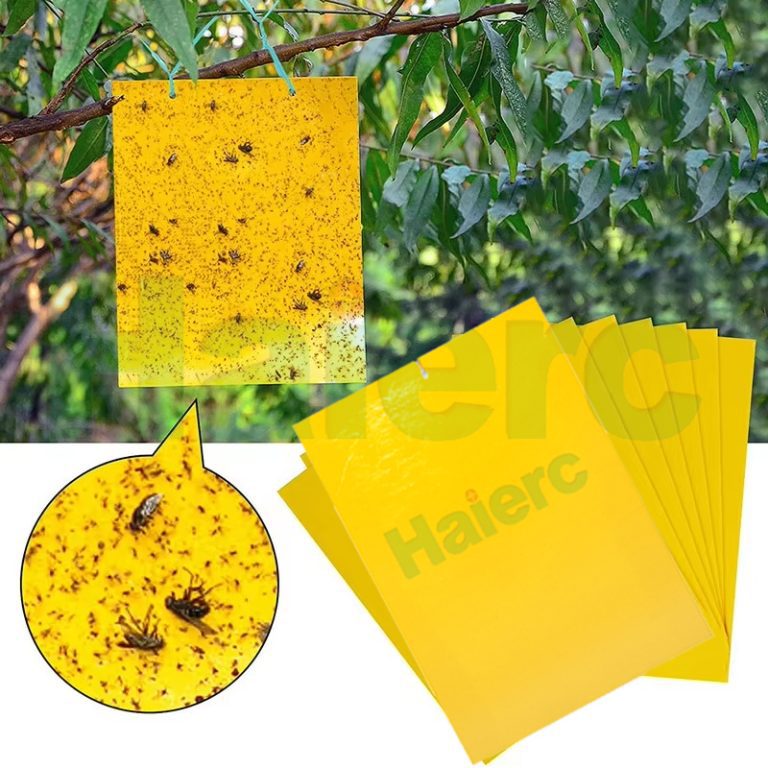
In warehouse settings, coupling perimeter bird spikes with an exterior Anti Insect Lamp prevents night-flying moths and beetles from gathering near high-bay floodlights. For lower-level warehouse walls, deploying our Mini Plastic Mouse Tunnel or Rodent Glue Trap Board along internal perimeter baseboards catches crawling pests before they reach processing floors.
If your facility manages large ground perimeters, install durable ground exclusion tools like the Squirrel Trap Cage or the multi-station Flea Trap near pallet storage zones. A balanced physical IPM setup uses mechanical barriers to reduce chemical exposure. This approach satisfies your corporate ESG mandates and keeps your facility fully compliant with evolving global biosecurity benchmarks.
+————————————————————————-+
| INTEGRATED PERIMETER EXCLUSION MATRIX |
| |
| Roofs & Solar Arrays Loading Docks & Doors Internal Floors |
| ——————– ——————— ————— |
| – HC1663 Bird Spikes – Anti Insect Lamp – Glue Boards |
| – Normal Mist Netting – Heavy-Duty Bait Stations – Snap Traps |
| – Solar Edge Clamps – Strechable Fly Swatter – Plastic Tunnels|
+————————————————————————-+
Q: What is the main advantage of 304 stainless steel bird spikes over plastic spikes?
A: 304 stainless steel bird spikes, such as Haierc HC1663, offer superior durability against high UV radiation and extreme roof temperatures. Plastic spikes degrade, crack, and snap over time, whereas marine-grade and 304 stainless steel wires retain their spring tension and structural integrity for over a decade in tough outdoor environments.
Q: How do you calculate how many rows of bird spikes are needed on a ledge?
A: Measure the depth of the ledge from the back wall to the leading front edge. A standard wide model like the HC1663 protects ledges up to 150 mm wide with a single row. For ledges exceeding this width, install parallel rows spaced so that the wire tips overlap by roughly 20 to 25 mm, preventing birds from landing between rows.
Q: Can bird deterrent spikes be installed directly on solar panel frames without voiding warranties?
A: Yes. When protecting solar panels, do not drill into the aluminum frame. Use dedicated stainless steel solar panel clips that clamp securely to the frame lip. You can then attach wire mesh or mount spike strips along the frame perimeter without puncturing metal or affecting panel certifications.
Q: What adhesive is recommended for fixing bird spike bases to Colorbond metal roofs?
A: Use an exterior-grade, UV-resistant polyurethane or MS-polymer construction adhesive. Avoid cheap acidic silicones, which can cause metal corrosion and break down under direct sun. Ensure the surface is degreased with isopropyl alcohol before pressing the spike base into the adhesive bead.
Q: How do physical bird spikes support commercial food safety audit compliance?
A: Physical exclusion systems permanently prevent pest birds from roosting and defecating near food storage, packaging lines, and HVAC intakes. This non-toxic barrier aligns with HACCP, BRCGS, and FSMA standards by eliminating biological contamination risks without introducing toxic chemical baits into sensitive facility zones.
Practical Next Steps for Commercial Facility Proofing
Excluding pest birds from commercial rooftops requires commercial-grade materials, clean surface preparation, and the right spacing rules. Taking shortcuts with domestic-grade plastic or unrated adhesives leads to premature failure, damaged solar arrays, and failed biosecurity audits.
We manufacture heavy-duty physical exclusion hardware at our ISO9001-certified factory in Tianjin, China. Backed by 18+ years of OEM and ODM production experience, our exclusion lines—including our premier HC1663 wide-base spikes, HC2620 stainless systems, and custom solar clips—are built to endure the world’s most demanding weather conditions.
If you are a commercial pest management professional or an ultrasonic bird repeller importer looking to upgrade your exclusion hardware inventory, explore our full product catalog and request physical spec sheets or trial samples directly at https://www.haierc.com. Connect with our technical engineering team at info@haierc.com to evaluate custom base configurations or request test batches starting at a standard 500-unit MOQ.