Sparrow netting selection and installation guide for retail canopies
Exterior shopping center walkways, loading docks, and customer entrances feature architectural overhangs that provide shelter from weather, but these recessed overhead spaces also attract persistent pest flocks. Implementing sparrow netting for retail canopies creates a continuous structural barrier that seals off open rafters and conduit lines before nesting debris and droppings accumulate above storefront access routes.
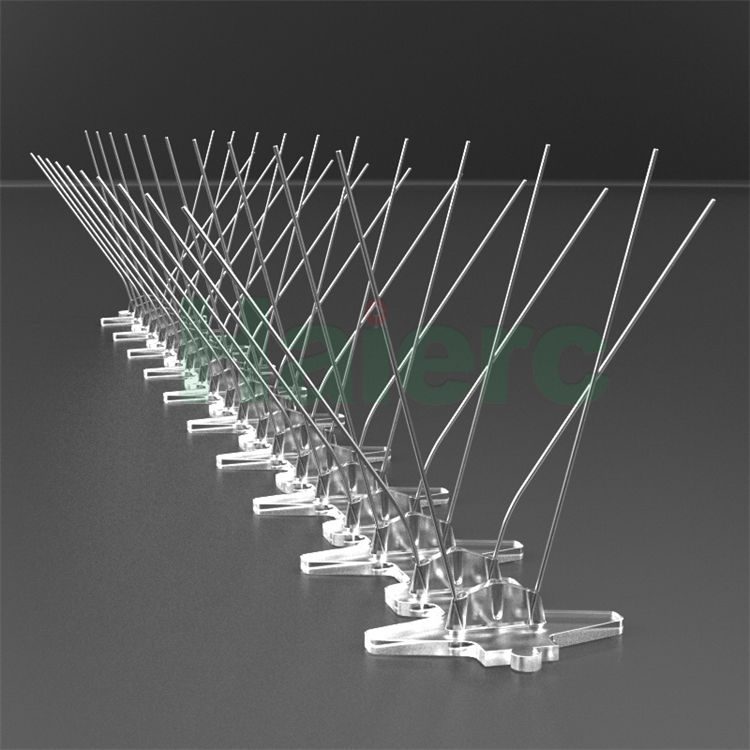
Facility maintenance teams rely on durable solutions like Bird Proof Netting (HC130119) to deny roosting perches across broad steel ceiling frameworks. When combined with localized hardware such as U Type Bird Spikes For Sparrow (HC1101-U2S) along perimeter sign tracks and narrow structural ledges, properties maintain clean customer environments without compromising building aesthetics.
Why Sparrow Netting Matters for Retail Canopies
Entrance overhead structures at shopping centers, supermarket loading bays, and storefront walkways offer sheltered rafters that attract small nuisance birds. When birds roost in these structural beams, accumulated droppings compromise customer hygiene, damage merchandise, and create slip hazards on walkways below. Implementing Bird Proof Netting (HC130119) seals off the intricate void spaces across structural steel trusses, denying entry without altering the building facade.
Proper tensioning and hardware selection prevent sagging that could otherwise allow small-bodied pests to squeeze through perimeter gaps or become trapped behind the barrier. Combining tailored perimeter cable layouts with targeted deterrents like U Type Bird Spikes For Sparrow (HC1101-U2S) along narrow support ledges ensures long-term exclusion, reducing recurring maintenance expenses and keeping high-traffic retail accessways clear.
What to Assess Before You Choose
A successful retail canopy exclusion project starts with a detailed physical audit of the overhead architecture and surrounding environment before ordering hardware.
Site Conditions
Examine the canopy structural framework, noting beam spacing, truss depths, and substrate composition such as steel I-beams, corrugated metal, or concrete. Locate secondary penetrations including conduit runs, hanging sign cables, downspouts, and recessed light fixtures that require custom cutouts and perimeter sealing. Pay attention to ambient heat sources from outdoor retail heaters and check for sharp structural edges that could abrade exclusion barriers over time.
Pest Pressure and Species
Identify whether the target activity involves transient resting or heavy nesting pressure. House sparrows exploit gaps as small as three-quarters of an inch, meaning secondary nesting behind signage or in truss pockets demands complete perimeter tensioning. Heavy nesting sites often require pairing mesh barriers such as Bird Proof Netting (HC130119) with rigid ledge deterrents like U Type Bird Spikes For Sparrow (HC1101-U2S) along exposed perimeter beams to prevent birds from shifting to outer margins.
Access and Maintenance
Evaluate customer traffic flow and operational delivery schedules to determine equipment staging for scissor lifts or boom trucks. Canopy lighting, emergency sensors, and security cameras require periodic servicing, so installations should incorporate heavy-duty zippered access ports or modular panel sections. Planning these entry points in advance ensures store technicians can maintain overhead utilities without cutting into structural perimeter cables.
Setup Step by Step
A methodical installation sequence prevents common structural failures and ensures long-term exclusion performance over busy retail entranceways.
Step 1: Survey the Site
Examine the canopy architecture to identify all structural anchor points, recessed lighting bays, and electrical conduits. Note the high-pressure roosting zones beneath the roofline where small birds congregate, and confirm that clearance exists above customer walkways. Accurate site measurements are designed to help custom cuts cover the framework while minimizing gaps near wall interfaces.
Step 2: Select the Hardware
Match the physical demands of the structure with heavy-duty perimeter cables, intermediate support wires, and compatible mesh. Incorporating Bird Proof Netting (HC130119) delivers durable overhead coverage across wide architectural spans, while narrow steel ledges adjacent to the canopy frame may benefit from supplementary deterrents like U Type Bird Spikes For Sparrow (HC1101-U2S) to prevent peripheral perching.
Step 3: Install and Position
Anchor the perimeter wire tightly using heavy-duty turnbuckles and corner brackets to maintain rigid boundary tension. Once the support grid is secured, suspend the mesh across the framework and fasten it to the wire using hog rings spaced closely together. Proper application of sparrow netting for retail canopies requires uniform tension across every section to prevent sagging above pedestrian traffic.
Step 4: Inspect and Record
Conduct a close-up visual review along all edges, seams, and access zippers to confirm zero breach points exist for small birds. Document the completed layout with date-stamped photographs, noting all tension check intervals and service access points in the property maintenance log for scheduled facility reviews.
Common Mistakes to Avoid
- Leaving perimeter gaps around structural framing: Small birds exploit recesses as narrow as an inch along corrugated decking and canopy beams. Failing to anchor tensioned perimeter cables flush against retail fascias creates entry corridors behind the barrier, allowing pests to nest inside.
- Ignoring ledges adjacent to the canopy perimeter: Netting alone does not address exterior approach paths. Neglecting exposed steel purlins or signage mounts allows birds to stage directly outside the barrier, requiring supplemental hardware such as U Type Bird Spikes For Sparrow (HC1101-U2S) to prevent roosting along critical edges.
- Selecting excessively large mesh apertures: Using standard pigeon-grade barriers fails against smaller species. Canopies require durable weatherproof hardware like Bird Proof Netting (HC130119) with a 19mm mesh for industrial, farm, and garden bird exclusion.
- Insufficient cable tensioning: Sagging runs cause pockets where debris collects and high winds abrade the material against canopy framework, dramatically shortening the lifespan of the installation.
Frequently Asked Questions
Routine maintenance and proper procurement planning ensure bird exclusion systems remain effective above customer walkways and loading bays.
Q: How often should the setup be inspected in retail canopies?
Inspect the overhead perimeter quarterly to check for cable tension loss and clear out windblown trash or debris. Additional walk-throughs immediately following severe storms help catch tears or dislodged corner hardware before birds exploit the gaps.
Q: Can this hardware be combined with other control methods?
Yes, structural barriers often work best alongside physical deterrents positioned on narrow exposed perimeters. Install U Type Bird Spikes For Sparrow (HC1101-U2S) along exposed structural I-beams and gutters where tensioned cables cannot fully reduce perching opportunities.
Q: What should buyers check before ordering in bulk?
Before procurement, measure structural spans carefully to determine hardware load limits and verify attachment substrates like metal decking or concrete. Selecting durable sparrow netting for retail canopies requires confirming exact mesh clearances and ordering sufficient mounting fasteners to avoid mid-project installation delays.
About Haierc PCO
Haierc PCO manufactures physical pest-control hardware in Tianjin, China, with 18+ years of experience and 1000+ items in production. Haierc holds ISO9001; products are offered to CE, REACH and RoHS requirements where applicable; the factory is BSCI and SEDEX audited. Commercial terms: MOQ from 100 pcs; OEM / private label from 500 pcs. Contact: info@haierc.com | +86 18602234188 | https://www.haierc.com