Copper Mesh Rodent Exclusion: The 2026 IPM Trend Reshaping Pest Control in Europe and North America
Copper Mesh Rodent Exclusion: The 2026 IPM Trend Reshaping Pest Control in Europe and North America
The pest control industry is hitting a regulatory wall. Professional Pest Control Operators (PCOs) in the United States, United Kingdom, and Germany are finding that traditional baits are no longer the default solution. Public pressure and stricter environmental laws are forcing a move toward permanent physical barriers. Integrated Pest Management (IPM) is now the standard, with knitted copper mesh becoming the primary tool for structural exclusion. As we head into 2026, the demand for high-grade mesh is climbing, driven by a need for long-term protection that doesn’t rely on chemistry.
Why Copper Mesh Outperforms Traditional Foam and Sealants
Expanding foams and silicone sealants have been the industry staples for years, but they rarely last. Rats and mice can chew through standard spray foam in minutes, and weather exposure causes sealants to shrink and pull away from masonry. Metal mesh provides a mechanical barrier that rodents simply cannot chew through without dental pain.
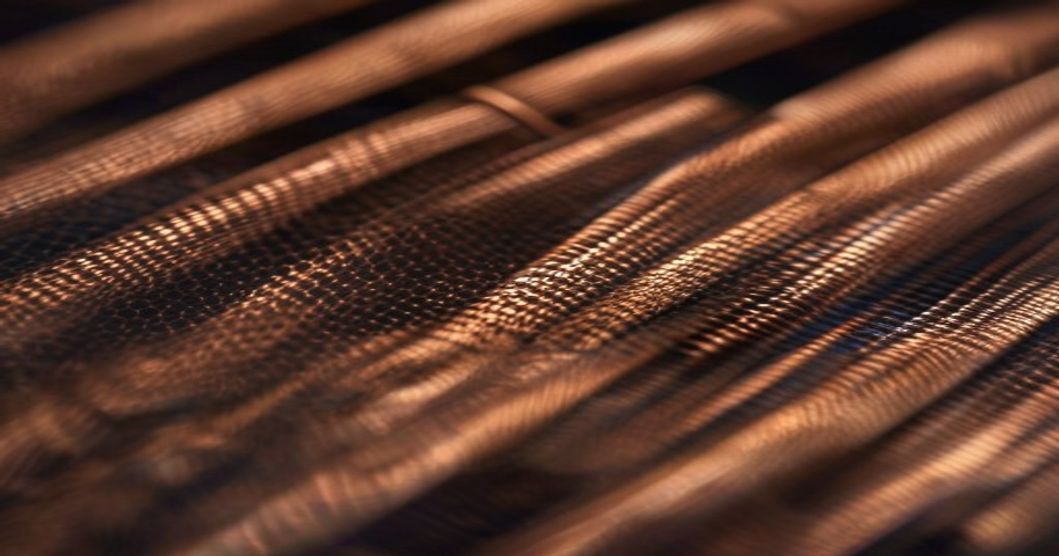
Copper holds a specific advantage over steel wool: it doesn’t rust. Technicians often regret using steel wool when it leaves unsightly orange rust streaks down a client’s white siding or expensive stonework after the first rain. Copper is naturally corrosion-resistant, making it a better fit for outdoor weep holes and damp crawlspaces. Because it is knitted rather than woven, the material acts like a spring. When you stuff it into a gap, it expands to fill the void, making it nearly impossible for a rodent to pull it back out.
EU and US Regulatory Trends Driving IPM Adoption
The move toward exclusion is being dictated by law. In the United Kingdom, the Campaign for Responsible Rodenticide Use (CRRU) has tightened its stewardship regime. PCOs must now prove they have attempted “permanent proofing”—such as installing metal mesh—before they can legally deploy second-generation anticoagulants in many environments. This makes copper wool a legal prerequisite rather than an optional add-on.
In North America, the EPA’s 2026 initiatives are focused on protecting non-target wildlife from secondary poisoning. New label restrictions mean exclusion is the first line of defense in commercial contracts. We are seeing exclusion materials jump from 12% to over 22% of total procurement budgets for major service providers. For distributors, securing a reliable supply chain for these materials is the most urgent task for the 2026 season.
Technical Standards: Knitted vs. Woven Mesh
Professional installers generally avoid woven mesh for structural gaps. Woven wire tends to fray when cut, leaving sharp edges and losing its shape. Knitted copper mesh is produced as a continuous loop, much like a sweater. This allows the tech to flatten, roll, or bunch the material into irregular shapes around HVAC lines and pipes without the mesh falling apart.
The industry benchmark has moved toward 99.9% pure copper to ensure the material doesn’t become brittle over time. In the German market, building inspectors look for specific wire diameters and density to ensure the barrier can withstand the gnawing pressure of Norway rats. Standards like the HC14004-20FT roll have become common shorthand for quality in professional tenders.
Key Buying Criteria for Distributors
For international distributors, particularly those supplying the German market, REACH compliance is mandatory. Any mesh entering the EU must be certified free of hazardous impurities. Packaging is also an operational factor; commercial teams require 100-foot bulk rolls to minimize waste on job sites, while retail channels in the US and UK look for 20-foot or 50-foot rolls with branded inserts.
Standard export packing typically involves 24 units per 5-layer corrugated master carton. To maintain the copper’s bright finish during sea transit, rolls should be double-shrunk with moisture-desiccant packs included in every box. Buying direct from the manufacturer removes the 30% markup typically added by regional wholesalers, which is vital for maintaining margins on high-volume municipal contracts.
Installation Best Practices for Professionals
The most common failure in exclusion is under-packing. Professionals use the “double-stuff” method: fold the mesh over itself until it is roughly 25% larger than the hole, then compress it into the gap using a blunt tool. For large voids in warehouse foundations, many technicians use a hybrid approach—stuffing the hole with copper mesh and then capping it with a non-toxic, professional-grade exclusion sealant. This creates a barrier that is both air-tight and chew-proof.
View Professional Copper Mesh Specifications
Rodent Exclusion Technical Guide 2026
Sourcing and Manufacturing Transparency
While high-volume production is centered in China, the 2026 market requires specialized manufacturing. A factory with 18+ years of experience understands the difference between industrial filter mesh and pest-grade exclusion mesh. For large pest control chains, private labeling is now standard. For branded orders, a typical MOQ of 500 to 1,000 units allows for custom-printed end-caps or retail sleeves. Direct sourcing also provides access to batch-testing reports for tensile strength, which is increasingly required for insurance-backed service guarantees in the UK and Germany.
2026-2027 Market Outlook
The transition to exclusion-based pest control is not a temporary phase. As rodents develop resistance to traditional chemicals and public sentiment shifts away from toxic baiting, mechanical barriers will become the gold standard. The market for copper exclusion solutions is expected to grow by 8.5% annually through 2027. Service providers who master these “low-tech” mechanical solutions today will be the ones securing the high-value commercial and municipal contracts of tomorrow. The strategy for 2026 is simple: seal the building, stop the entry, and you eliminate the need for ongoing chemical intervention.