Which Wildlife Cage Setup Works Best for Orchard Animal Control?
Introduction — Scenario Pain Point
Orchard yields disappear overnight when hungry vertebrates break perimeter lines. You spend months managing irrigation, pruning, and canopy health across your blocks. Then stone fruit ripens or apples develop sugar, and pests move in. Pome fruit gets mauled on the branch. Young citrus saplings suffer stripped bark around their rootstocks. That damage kills trees permanently.
Growers and commercial contractors ask us every harvest season: which wildlife cage setup works best for orchard animal control? The short answer comes down to run-through trap geometry paired with heavy-gauge galvanization. If a cage warps after two field deployments or trips when wind shakes an overhead branch, your crew wastes labor while fruit rots on the ground.
Fresh fruit exporters operating under Freshcare, HACCP, or third-party food-safety buyer audits standards can’t afford toxic residues or unmonitored carcasses near harvest zones. Non-target animal welfare rules across Australian states also demand rigid capture standards. You need heavy-duty physical capture hardware that triggers reliably, handles repeated washdowns, and keeps operators safe during field relocation.
+————————————————————————-+
| ORCHARD RUNWAY TRAPPING ARCHITECTURE |
+————————————————————————-+
| ORCHARD ROW CANOPY |
| [ Tree 1 ] ——– [ Tree 2 ] ——– [ Tree 3 ] ——– [ Tree 4 ] |
| |
| PRIMARY RUNWAY / WEED LINE |
| (Natural funneling) (Clear line of sight) (Perimeter escape) |
| |
| PERIMETER BUFFER ZONE |
| ——————————————————————— |
| [ Large Rodent Bait Station ] [ Mesh Fencing Line ] |
+————————————————————————-+
Root Cause: When Wildlife Invasions Hit Australian Orchards
Vertebrate pests don’t wander into commercial orchards randomly. They follow water sources, ripening sugar gradients, and sheltered ground runways created by irrigation lines and dense grass strips. Drought stress across eastern Australia drives feral pigs, brush-tailed possums, wallabies, hares, and rabbits out of drying scrub directly into irrigated blocks.
Fruit damage spikes right before harvest windows. A single adult possum can strip 2 kg of stone fruit each night. Feral pigs rooting under low-hanging citrus or nut branches tear up micro-sprinklers and destroy topsoil structure within hours. In pome fruit blocks, hares clip juvenile graft unions clean off at a 45-degree angle. That ruins years of tree stock investment.
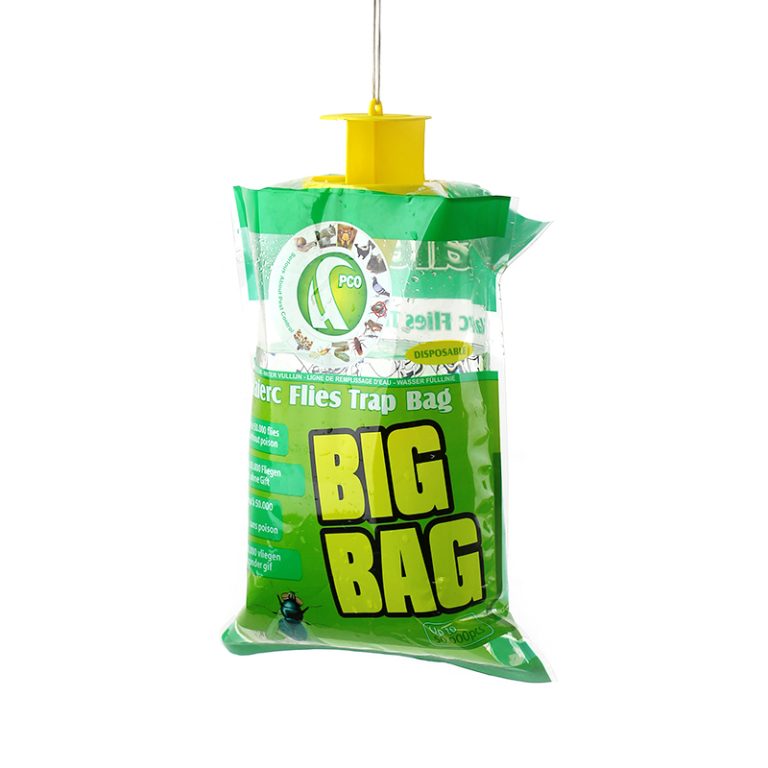
There’s also a strict compliance angle here. CEPA and industry guidance audit benchmarks require commercial growers to eliminate non-target contamination risks across production perimeters. When animals chew through drip tubing, stagnant puddles accumulate. Those wet pockets quickly turn into breeding grounds for secondary pests. That’s why integrated programs also deploy tools like the Fly Attraction Bait and the HC2216S Yellow Sticky Trap around perimeter packing sheds. If you operate near processing facilities, uncontained wildlife introduces Salmonella and E. coli risks that fail GlobalGAP and HACCP audits instantly.
+————————————————————————-+
| SEASONAL PEST PRESSURE TIMELINE |
+————————————————————————-+
| SPRING (Bud Burst) SUMMER (Fruit Set) AUTUMN (Harvest Window) |
| – Hare bark stripping – Possum fruit feeding – Severe crop losses |
| – Rodent root chewing – Pig irrigation breaks- Export audit scrutiny |
| – Sapling destruction – Feral cat intrusions – Pathogen risks |
+————————————————————————-+
Step-by-Step How To Solve It: Practical Orchard Cage Deployment
Solving heavy vertebrate pressure requires disciplined hardware staging. Follow this 5-step operational protocol to clear infested rows without stalling harvest machinery.
1. Identify Movement Runways and Funnel Zones
Look for flattened weed tracks along inter-row cover crops, hair snags on lower wire trellises, and fresh droppings near dripper heads. Animals hate stepping into open spaces. They hug windbreak fences, mulch mounds, and irrigation lines. Map these exact corridors. Traps placed directly in natural funnels catch three times faster than cages dropped in open tractor paths.
2. Select Hardware Geometry: Single vs. Double Door
For wary animals like feral cats, foxes, and large hares, sightlines matter. A Double Door Wildlife Animal Trap Cage (such as our model HC2620) allows the target to see straight through the mesh. The animal believes it’s walking through a natural tunnel. For tight perimeter fences and tree bases where back-wall baiting is required, single-entry live cages like the HC1663 provide a deep bait well that forces full body entry past the trigger plate.
+————————————————————————-+
| DOUBLE-DOOR VS. SINGLE-DOOR ACTION |
+————————————————————————-+
| DOUBLE-DOOR (HC2620): |
| (Target sees straight through – ideal for runways and trap-shy pests) |
| |
| SINGLE-DOOR (HC1663): |
| (Target steps deep for bait – ideal against walls and tree trunks) |
+————————————————————————-+
3. Pre-Baiting and Tension Calibration
Never arm the trap on day one. Lock the spring doors open with zip ties for 48 hours. Scatter non-toxic attractants (sliced apples, rolled oats with peanut oil, or grain) around the entrance and on the treadle plate. Let the animals feed without consequence. Once bait is consumed consistently, snip the zip ties and calibrate your trip plate tension. Set the pan trigger light enough for sub-adult pests, but firm enough so wind gusts won’t drop the doors prematurely.
+————————————————————————-+
| TRAP PRE-BAITING PROTOCOL |
+————————————————————————-+
| DAY 1 – 2: TIE DOORS OPEN |
| Place attractant outside and on treadle. Let pests enter safely. |
| |
| DAY 3: ARM AND CALIBRATE |
| Cut ties. Calibrate pan trigger tension to target body weight. |
| |
| DAY 4+: DAILY INSPECTION ROUTINE |
| Check cages every morning. Relocate, service, or reset immediately. |
+————————————————————————-+
4. Implement Perimeter Bait and Barrier Buffers
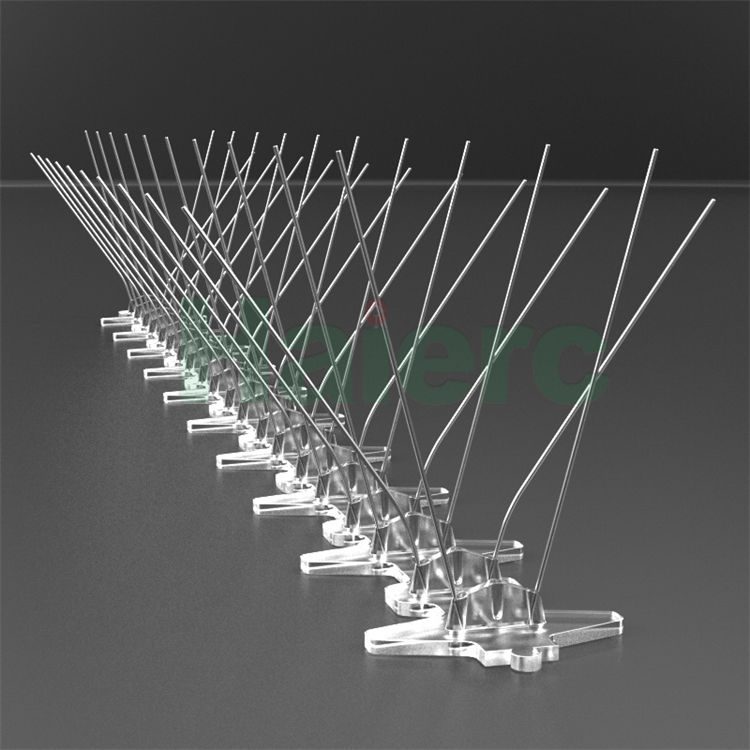
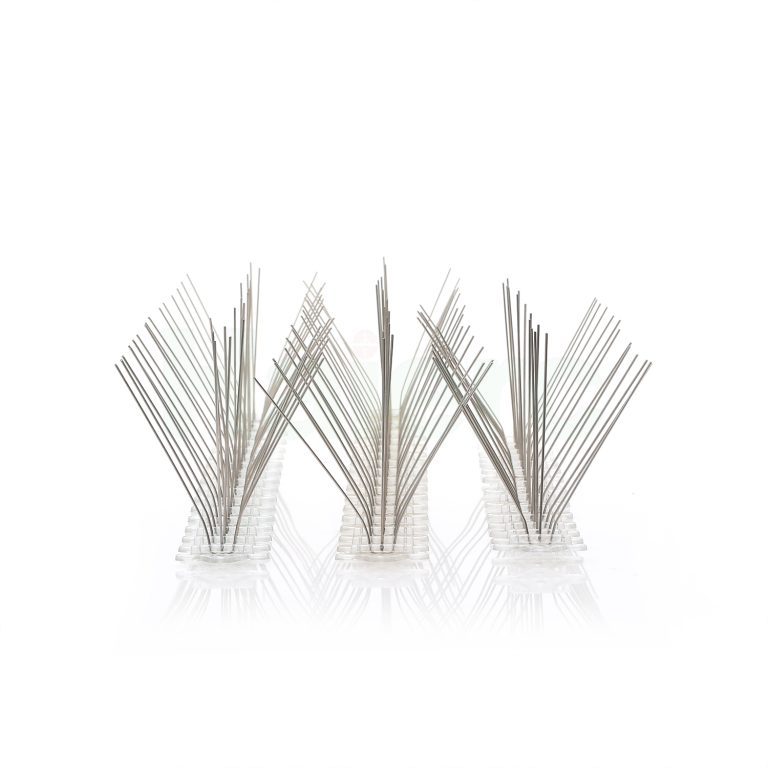
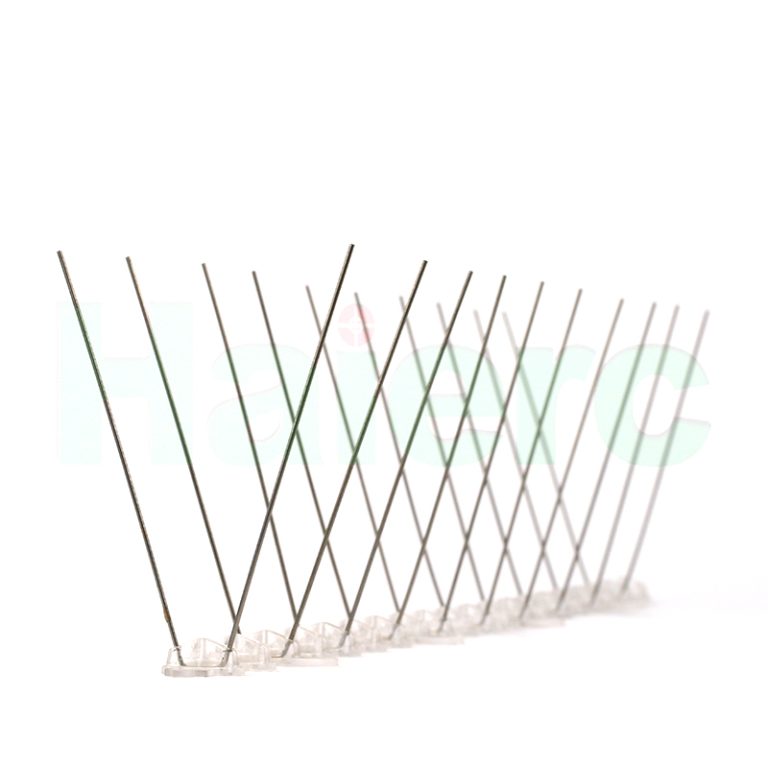
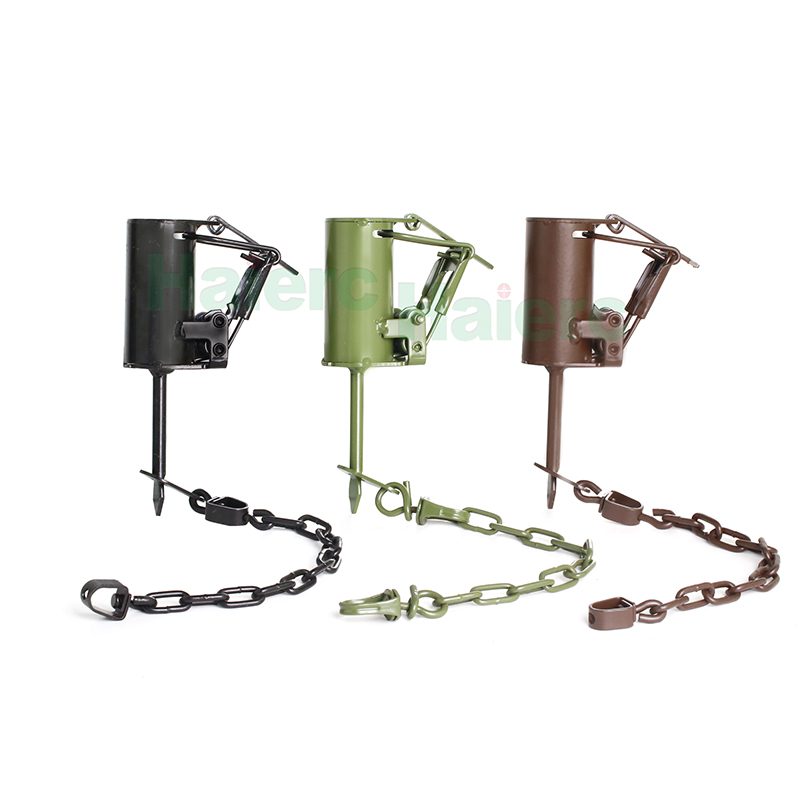
Orchard IPM is never a single-tool job. While live cages work active tree rows, protect the wider boundary. Place a Large Rodent Bait Station with Key along storage sheds and boundary fences. Add the classic Bucket Lid Mouse Trap in feed sheds, or use a Gopher Trap where burrowing pests undermine root zones. If birds strike fruit canopies from above, look at structural exclusion. Installing Anti Bird Defender Spikes on shed perimeters, combined with Normal Mist Bird Net over prized stone fruit rows or Bird Repellent Flash Tape along perimeter posts, blocks aerial entry points while ground cages work the floor.
+————————————————————————-+
| MULTI-TIER EXCLUSION GRID |
+————————————————————————-+
| [CANOPY LEVEL] –> Bird Spikes / Netting / Bird Repellent Flash Tape |
| [TRUNK LEVEL] –> Tree Guards & Mechanical Collars |
| [GROUND RUNWAY] –> HC2620 Double Door Traps / HC1663 Single Door Traps |
| [PERIMETER] –> Large Rodent Bait Station with Key / Snap Traps |
+————————————————————————-+
5. Daily Inspection and Humane Handling
Australian state animal welfare laws require traps to be inspected every 24 hours. Early morning checks minimize animal stress from summer heat. When approaching an occupied cage, drape a burlap sack or canvas sheet over the top wire. Darkness keeps wild animals calm. Wear heavy leather gauntlets, grasp the shielded carrying handle, and transfer the cage to your service vehicle. Clean the wire frame thoroughly before resetting. Lingering stress pheromones can warn away the next animal.
+————————————————————————-+
| SAFE OPERATOR HANDLING PROCEDURE |
+————————————————————————-+
| 1. APPROACH WITH BURLAP SACK –> Drape canvas over cage to calm animal |
| 2. CHECK EXPANDED HAND GUARD –> Ensure fingers stay behind steel plate |
| 3. SECURE CAGE FOR TRANSPORT –> Keep level during vehicle transit |
| 4. POST-RELEASE WASH & DECON –> High-pressure wash off pheromones |
+————————————————————————-+
Hardware Engineering: Choosing the Right Cage Setup for Orchard Yields
Field conditions destroy cheap consumer traps. Commercial operators need thick steel frames, corrosion-resistant coatings, and reliable mechanical trip linkages that survive mud, gravel, and rough handling in tractor beds.
When evaluating which wildlife cage setup works best for orchard animal control, pay close attention to steel processing. Raw electroplated wire mesh rusts rapidly under orchard drip emitters and acidic soil conditions. We build our cages with high-tensile steel wire welded into a rigid unibody grid, finished with hot-dip galvanization or thermoset powder coating. For coastal fruit blocks and humid subtropical valleys, premium 304 SS and 316 Marine Grade hardware options deliver the longest service life without structural breakdown.
+————————————————————————-+
| CAGE STRUCTURAL ANATOMY |
+————————————————————————-+
| [ Heavy-Duty Top Handle with Solid Steel Hand Guard Plate ] |
| +—————————————————————–+ |
| | \ Spring-Loaded Locking Door Mechanism / | |
| | \ / | |
| | +———————————————————+ | |
| | | Welded High-Tensile Steel Mesh (12-14 Gauge) | | |
| | | | | |
| | | [ Sensitive Center Treadle ] | | |
| | | \___________/ | | |
| | +———————————————————+ | |
| +—————————————————————–+ |
| [ Smooth Rolled Edge Floor – Prevents Paw and Snout Abrasion ] |
+————————————————————————-+
The trigger linkage design determines whether you catch the animal or just feed it. Direct-action rod linkages outperform thin wire cables. Cables stretch, snag debris, and fail over time. Solid rolled steel trigger rods transfer treadle movement directly to spring-loaded door locks without play. Expanded metal hand guards over the top carrying handle are also non-negotiable. Without that solid steel plate between the handle and the cage interior, trapped animals can scratch or bite technicians during field transport.
Haierc Commercial Wildlife Cage Specifications vs Industry Standard
| Specification | Haierc Commercial Orchard Standard | Standard Wholesale Average |
|---|---|---|
| Wire Gauge & Frame | 2.5mm to 3.5mm high-tensile steel wire; reinforced frame | 1.5mm to 2.0mm mild steel wire; unreinforced |
| Corrosion Protection | Hot-dip galvanized (Z275 coating) or 304/316 SS options | Basic electro-galvanized / flash zinc coating (<40g/m²) |
| Door Locking Mechanism | Gravity lock with spring-loaded cam latches (zero escape) | Single gravity drop pin without secondary cam lock |
| Trigger Assembly | Direct solid-rod linkage with adjustable pan sensitivity | Thin pull wire / braided wire prone to slack and bending |
| Safety Features | Solid steel hand-guard plate welded beneath handle | Exposed wire top handle (risk of bites/scratches) |
| Compliance Suitability | HACCP, third-party food-safety buyer audits, CEPA, NPMA-compliant design | Non-certified agricultural utility grade |
Global markets continue shifting toward humane, non-chemical pest barriers. In premium viticulture and export orchards, advanced systems like the AVIX Autonomic laser bird deterrent Mark II operate above tree canopies while physical live traps handle ground pests below. We’ve seen experienced orchard crews make avoidable setup errors that educate pests instead of catching them.
+————————————————————————-+
| COMMON MISTAKES VS. FIELD SOLUTIONS |
+————————————————————————-+
| MISTAKE: Human scent on bare metal |
| FIX: Wash hardware; handle with clean gloves every time. |
| |
| MISTAKE: Unstable, rocking cage base |
| FIX: Bed cage flat into soil or mulch along natural runway. |
| |
| MISTAKE: Wrong bait for regional target |
| FIX: Match bait to crop stage (fresh fruit vs. fatty bait). |
| |
| MISTAKE: Neglecting surrounding sanitation |
| FIX: Deploy mouse trap, rat trap, and fly bait near packing areas. |
+————————————————————————-+
-
- Handling cages with bare, greasy hands transfers human scent straight to the entry frame. Wary pests avoid the trap for days. Always wear clean rubber or nitrile gloves when baiting, positioning, and adjusting hardware.
- If an animal steps inside and the cage floor wobbles under its paws, it bolts immediately. Bed the cage flat into loose topsoil or mulch. Smooth out the base so it feels like solid ground.
- Don’t put rotting meat in a cage targeting herbivorous possums or hares. Use fresh apple slices drizzled with aniseed oil for herbivores. Reserve fish oil or meat bait for feral cats and foxes.
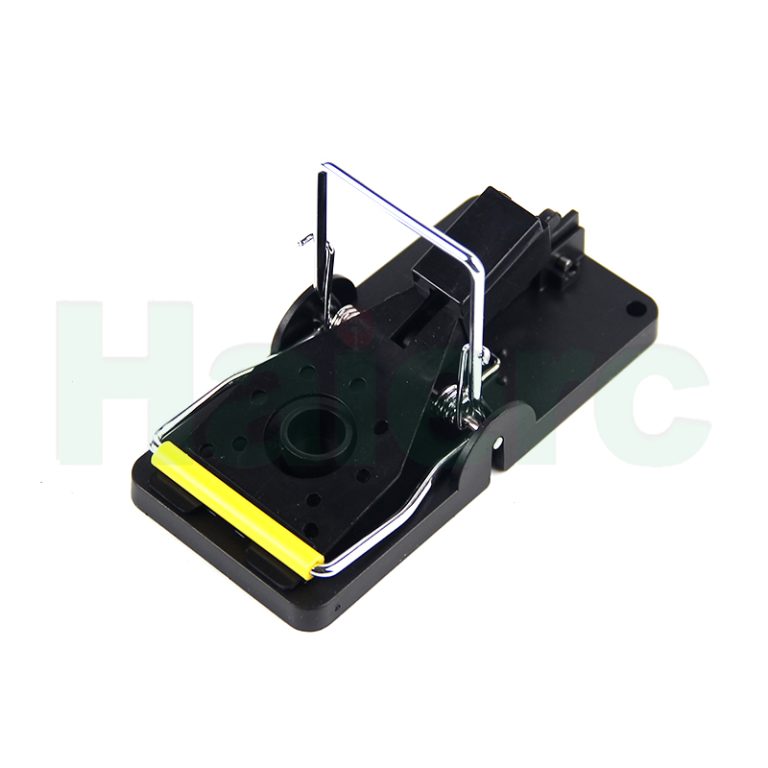
- Trapping feral pests while ignoring rodent harborage around your packing shed breaks audit rules. Pair runway cages in the field with a dependable rat trap or heavy-duty snap trap array inside machinery sheds. Keep your pest documentation clean across every zone.
+————————————————————————-+
| ORCHARD AUDIT READINESS PATH |
+————————————————————————-+
| FIELD ZONE: Heavy-duty Live Cages (HC2620 / HC1663) |
| BOUNDARY ZONE: Large Rodent Bait Stations + Snap Traps |
| PACKING SHED: Fly Traps (HC2216S) + Rodent Snap Systems |
| AUDIT PROOF: Non-toxic, traceable, humane exclusion protocol |
+————————————————————————-+
Frequently Asked Questions
Q: Which wildlife cage setup works best for orchard animal control when targeting possums versus feral cats?
A: Possums respond best to single-door cages like the Haierc HC1663 mounted near tree fork junctions and baited with fruit. Feral cats prefer run-through setups like the HC2620 Double Door Wildlife Animal Trap Cage placed along