Seasonal Pest Control Planogram for Hardware and Garden Stores
Retail inventory must shift alongside natural pest breeding cycles and seasonal outdoor activity to prevent dead stock and stockouts. When retail buyers implement a structured pest control planogram hardware store setups require, shelf space naturally aligns with emerging customer problems throughout spring planting, summer peak, and autumn rodent migrations.
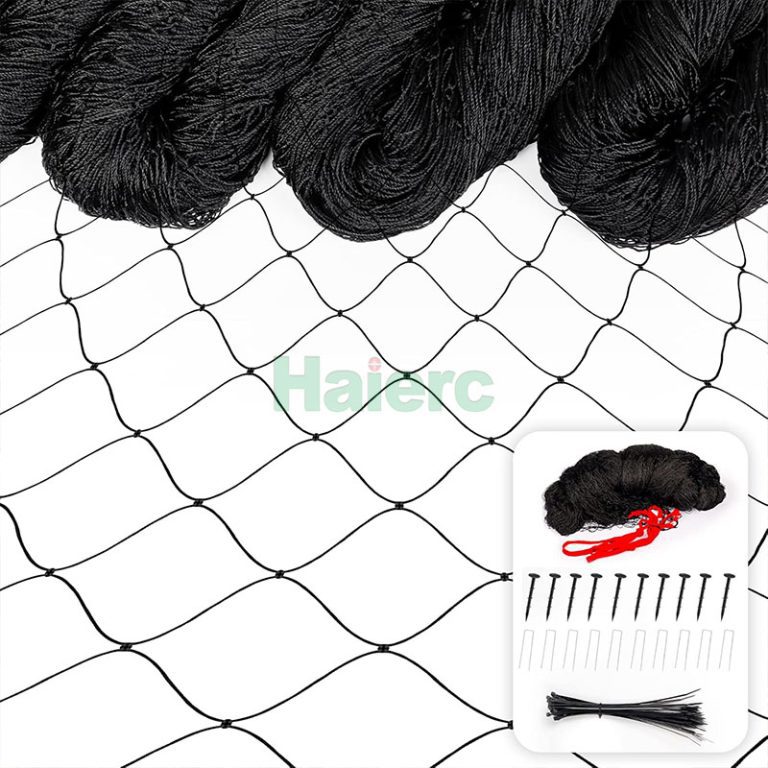
High-turnover positions near eye level keep essential hardware accessible, reserving endcaps for high-demand seasonal items like Plastic Mouse Snap Trap (HC2202) alongside outdoor barrier solutions such as Bird Proof Netting (HC130119). Merchandising these categories by seasonal urgency ensures steady shelf rotation across changing retail quarters.
Why Seasonal Pest Control Planogram Matters
Pest activity changes dramatically with weather shifts, driving retail customers to seek immediate remedies rather than browsing casually. When aisles anticipate these surges by grouping relevant merchandise, retailers capture high-urgency sales, minimize shelf stockouts, and streamline store navigation during peak garden or pre-winter preparation months.
Aligning seasonal hardware displays allows stores to surface high-demand solutions at eye level, transitioning smoothly from outdoor subterranean products like Easy Mole/Vole/Gopher Trap (HC2401) during spring lawn preparation to reusable mouse catching solutions like Plastic Mouse Snap Trap (HC2202) ahead of autumn rodent migrations.
What to Assess Before You Choose
Selecting the right product assortment requires evaluating regional retail spaces, customer demographics, and typical customer property layouts before finalizing shelf arrangements.
Site Conditions
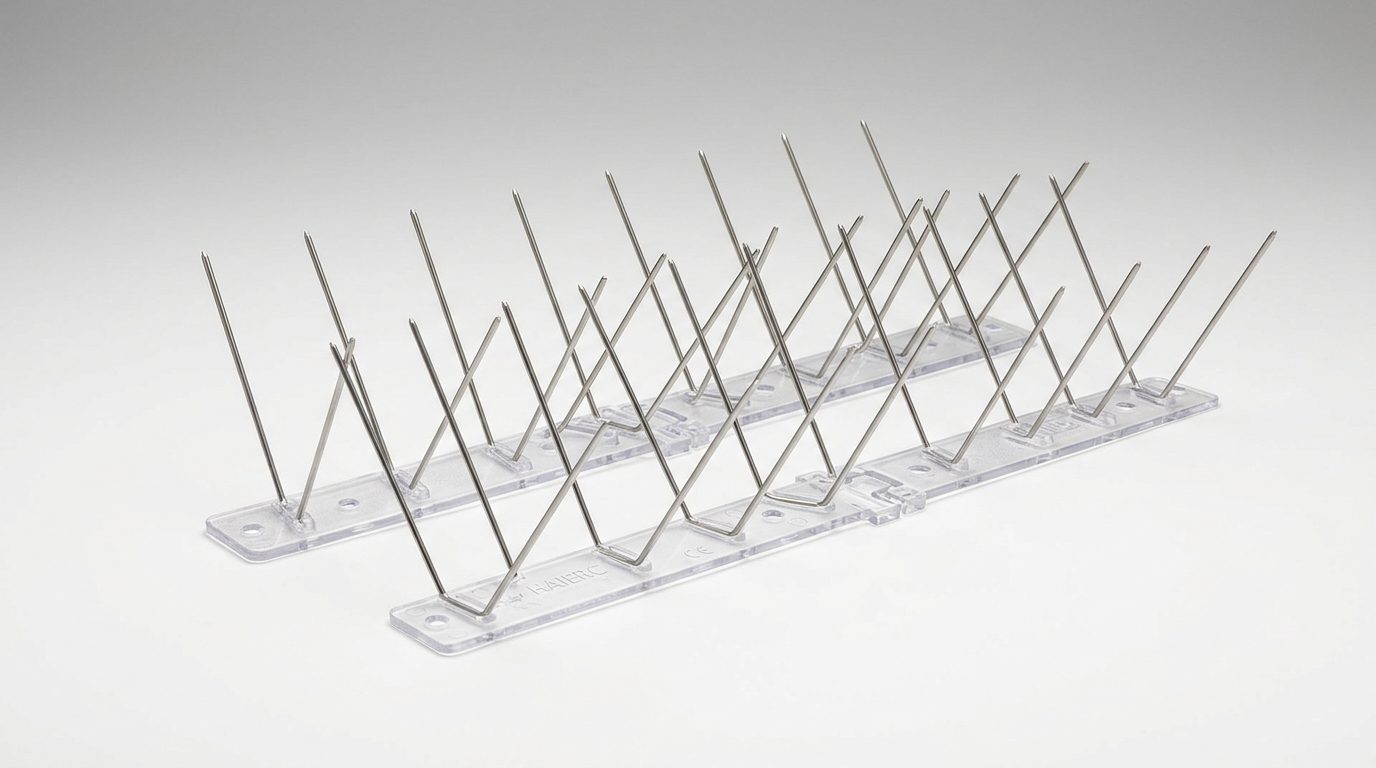
Store managers should evaluate local architectural styles and outdoor environments common to their customer base. Urban properties with narrow balconies and rooftop antennas often require exclusion hardware like T Type Bird Spikes (HC1101-T1), whereas suburban or rural locations deal with open turf, landscaping beds, and agricultural boundaries that demand distinct physical barriers and ground-level interventions.
Pest Pressure and Species
Assortments must align with seasonal pest activity and specific target varieties. Merchandisers should track whether local homeowners face subterranean burrowers damaging lawns, common domestic rodents invading outbuildings, or airborne flocks settling on eaves, stocking mechanical options such as Easy Mole/Vole/Gopher Trap (HC2401) when subterranean turf pests become active in early spring.
Access and Maintenance
Consider the technical comfort level and routine upkeep required by end users. Retail displays should clearly distinguish between simple mechanical traps intended for quick resets and heavy-duty barrier materials that require mounting hardware, ongoing tension adjustments, or regular debris clearing to remain effective throughout the season.
Setup Step by Step
Executing an effective retail layout requires a structured transition between seasons to maintain high inventory turnover and logical merchandise flow.
Step 1: Survey the Site
Walk the sales floor to evaluate aisle visibility, customer pathways, and seasonal display transitions. For an active pest control planogram hardware store merchandisers must audit endcaps, high-traffic corners, and eye-level shelf sections to identify prime zones for peak-season pest problems.
Step 2: Select the Hardware
Curate hardware lines tailored to the immediate local pressures, pairing perimeter deterrence tools with active indoor mechanical options. Merchandisers can stage Bird Proof Netting (HC130119) in garden-adjacent runs while placing Plastic Mouse Snap Trap (HC2202) on lower, easy-to-reach shelves near household repair goods.
Step 3: Install and Position
Clean display shelves thoroughly and position sturdy dividers to keep mechanical hardware organized. Place high-velocity, seasonal impulse items at eye level along main aisles, grouping matching accessories and visual product packaging together to prevent shelf clutter.
Step 4: Inspect and Record
Audit shelf capacity, restock frequency, and face-out neatness weekly. Maintain written logs of sell-through rates and empty facing slots, making continuous adjustments to stock levels based on real-time hardware turnover across shifting weather cycles.
Common Mistakes to Avoid
- Delayed Seasonal Transitions: Leaving summer products on prime endcaps well into autumn misses early pest surges. Rodent solutions like Plastic Mouse Snap Trap (HC2202) must be merchandised prominently before the first cold snap drives mice indoors.
- Burying Subterranean and Exclusion Gear: Stashing reusable steel traps such as Easy Mole/Vole/Gopher Trap (HC2401) in hard-to-reach bottom shelves frustrates homeowners tackling active lawn damage. High-demand spring and summer hardware requires eye-level placement alongside relevant landscaping tools.
- Failing to Cross-Merchandise: Isolating pest management into a single, disconnected aisle lowers basket sizes. Grouping structural physical barriers near roofing supplies or garden protection near seed displays captures intent-driven purchases.
Frequently Asked Questions
Addressing operational details ensures the retail display functions efficiently and remains fully stocked throughout fluctuating seasonal demand.
Q: How often should the setup be inspected?
Store staff should audit the display weekly to restock depleted items and tidy seasonal signage. During peak pest surges, bi-weekly checks maintain shelf organization and catch sudden supply gaps early.
Q: Can this hardware be combined with other control methods?
Mechanical items integrate seamlessly with chemical barriers, ultrasonic deterrents, and organic garden repellents. Placing mechanical options like Plastic Mouse Snap Trap (HC2202) alongside complementary baits gives shoppers clear choices for multi-step prevention.
Q: What should buyers check before ordering in bulk?
Retailers establishing a pest control planogram for a hardware store must review historical sales data and regional climate patterns before placing volume orders. Verifying shelf depth, carton dimensions, and backroom storage capacity ensures inventory such as T Type Bird Spikes (HC1101-T1) fits designated retail shelving neatly without causing floor congestion.
About Haierc PCO
Haierc PCO manufactures physical pest-control hardware in Tianjin, China, with 18+ years of experience and 1000+ items in production. Haierc holds ISO9001; products are offered to CE, REACH and RoHS requirements where applicable; the factory is BSCI and SEDEX audited. Commercial terms: MOQ from 100 pcs; OEM / private label from 500 pcs. Contact: info@haierc.com | +86 18602234188 | https://www.haierc.com