Rat IPM checklist for restaurant rear yards and bin stores
Operational Realities: Waste Zones in Dense Hospitality Sectors
Commercial restaurant yards present brutal operational environments for exterior rodent management. In high-density dining districts across Spain and Latin America, restaurant kitchens frequently share narrow communal alleyways with adjacent retail buildings and residential properties. Space is tight. Service doors open dozens of times every hour during evening shifts, venting warm, food-scented air directly into unlit service courts. Rodents exploit this constant activity.
Waste management practices in these shared yards often break down during peak operating periods. Overflowing organic waste containers provide immediate nourishment, while the concrete pads beneath them absorb spilled cooking grease and wash water. Pests love grease. A single leaking dumpster drain plug creates an uninterrupted feeding trough that draws rodents from neighboring storm sewers. Under local health codes, visible rodent droppings near food delivery thresholds bring immediate financial fines or operational shutdown orders. Pest control operators handling hospitality accounts cannot afford superficial perimeter checks. They must identify harborage zones before foraging pests transition from the exterior loading dock straight into dry storage rooms.
Essential rat restaurant yard checklist for Bin Stores and Alleys
Conducting a reliable outdoor rodent assessment requires a repeatable, step-by-step audit route. Technicians should walk the space methodically, beginning at the property boundary and working inwards toward the delivery doors.
1. Perimeter Fence and Boundary Walls
Inspect property boundaries for subterranean burrows and exterior access paths:
- Examine soil, mulch beds, and decorative rockery along boundary walls for freshly excavated burrow openings.
- Check boundary masonry for greasy sebum rub marks where rodents travel along mortar joints and baseboards.
- Identify low-hanging tree branches, creeping ivy, or overhead utility cables that allow roof rats (Rattus rattus) to bypass ground-level defenses.
- Look for nearby municipal sewer manholes or street runoff grates that could serve as the primary source colony.
2. Waste Bins and Grease Storage Areas
Bin stores represent the primary attractant in any food service yard:
- Inspect all wheeled plastic waste bins (dumpsters) to confirm lids close completely flush without warping or bite marks.
- Inspect the bottom drain plugs of every large waste container to verify the threaded caps remain locked tight.
- Check the cooking oil collection drum for spilled grease on the container exterior or pooled cooking oil on the pavement.
- Verify whether waste bins sit directly on bare earth or rest on an elevated, impermeable concrete slab.
- Note whether the bin wash-down water flows into a code-compliant grease interceptor or pools in stagnant puddles across the yard.
3. Pallet Storage and Clutter Zones
Piles of shipping materials create undisturbed nesting cover:
- Check stacks of wooden pallets and plastic delivery crates; stacks stored flat on the asphalt create dark voids underneath.
- Verify that all stored maintenance equipment, spare tiles, or empty kegs are elevated at least 15 cm above ground level.
- Look behind refrigeration compressor housings and exterior condenser units for nesting debris, shredded paper, or gnawed wiring.
- Clear away overgrown weeds and tall grass along the rear yard fence line to eliminate shaded travel corridors.
4. Ground Drainage and Surface Utilities
Drainage systems act as underground highways for sewer-dwelling rodents:
- Check storm drain grates to ensure metal bars leave no gaps larger than 12 mm.
- Inspect grease trap manhole covers to confirm they form a gas-tight seal against the concrete collar.
- Examine external air conditioning condensation runoff lines to confirm they drain directly into enclosed gullies rather than pooling on soil.
- Audit electrical and plumbing pipe chases entering the building to ensure all wall penetrations are sealed with wire mesh and non-shrink mortar.
5. Setting Up Exterior Baiting Points
Setting up exterior baiting points requires equipment built to withstand harsh weather, vehicle impacts, and direct tampering. Flimsy stations break quickly in busy alleyways. A crushed station spills its interior contents, creating severe hazards for non-target animals and inviting liability issues for the property owner.
Pest technicians must position tamper-resistant bait stations along natural rodent runways. Rodents exhibit thigmotaxis, meaning they avoid open ground and prefer moving with their whiskers touching a vertical wall. Placing bait stations out in the open yard yields poor results. Stations must sit directly against wall junctions, spaced roughly 8 to 12 meters apart depending on infestation pressure. Fasten each station securely to the concrete surface or tether it to a structural wall using heavy-duty anchors. If a station moves when kicked by a kitchen porter, it isn’t anchored well enough.
Haierc designs heavy-duty rodent hardware tailored for punishing commercial backlots. Built from durable PP, the HC2101A features a secure, tamper-proof internal layout that keeps blocks dry while withstanding heavy industrial foot traffic. Its double-lock mechanism prevents unauthorized opening by unauthorized personnel in publicly accessible service alleys.
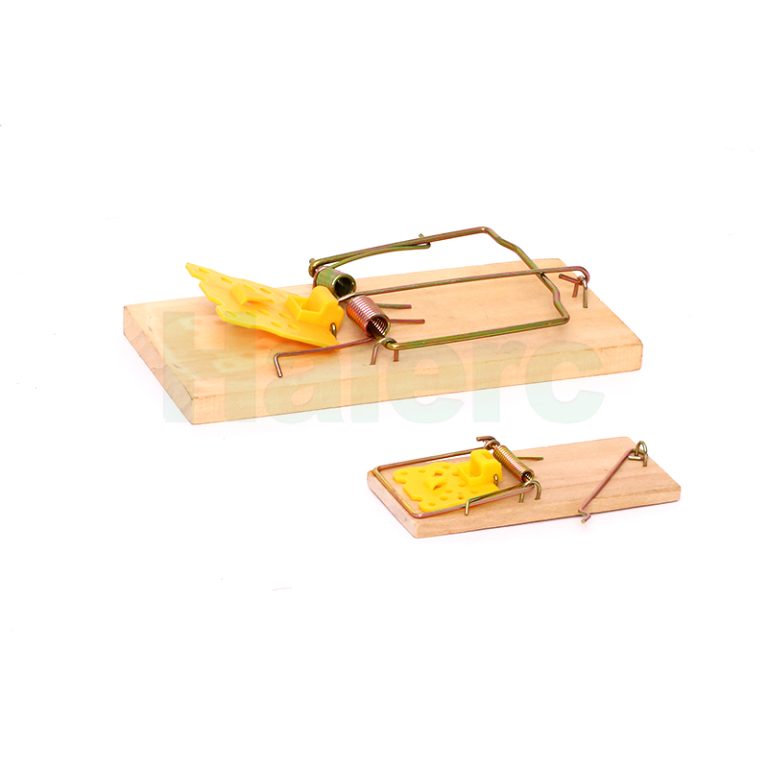
In customer-facing courtyards or mixed dining plazas where aesthetic appearance matters, visible black plastic boxes can upset dining guests. The HC2129 integrates naturally into exterior landscaping and paved patios without compromising tamper-proof security. Regular servicing and careful field precautions keep an exterior IPM program functional over time. Technicians working around restaurant kitchens must maintain strict separation between toxic rodenticides and food delivery paths. Never place toxic chemical formulations inside a station located within 3 meters of an open food delivery portal. In these sensitive boundary zones, stations should house non-toxic monitoring blocks or mechanical snap traps instead.
Waste corrals get washed down frequently. Elevate stations slightly off low-lying water channels or position them on the high side of drainage slopes. Moisture spoils bait blocks quickly. Moldy, degraded bait repels rodents, turning a defensive barrier into a collection box of decaying wax. Technicians should inspect station interiors on every routine visit, brushing out debris, wiping down bait rods, and replacing spoiled blocks immediately.
Remember that rodent management ties into broader facility exclusion. While inspecting ground-level perimeters, technicians should scan overhead ledges. Overhead pipes running above grease bins often attract feral pigeons seeking shelter. A clean yard makes identifying fresh rodent droppings and active runways much easier during follow-up audits.
Sourcing Durable Hardware for Commercial PCO Accounts
B2B distributors and pest control service firms require reliable hardware supplies that don’t crack under sunlight or degrade when exposed to grease and cleaning detergents. Cheap recycled plastics become brittle after a single summer of sun exposure. The locking tabs resist repeated key turning without stripping or snapping. For large pest control enterprises managing hundreds of restaurant accounts across Spain and Latin America, standardizing on uniform station footprints streamlines technician training and replacement parts inventory. Consistent, rugged hardware protects your brand reputation during health audits and commercial client reviews.
Rat Bait Station (HC2101A)
Material: Durable PP.
- tamper proof
- lockable
- weatherproof
- holds snap traps
Stone Rat Bait Station (HC2129)
Material: Durable PP.
- tamper proof
- lockable
- weatherproof
- holds snap traps
Q: How often should an exterior restaurant yard rodent checklist be completed?
A: High-volume food service yards require an exterior audit at least once every two to four weeks.
About Haierc PCO
Haierc PCO manufactures physical pest-control hardware in Tianjin, China, with 18+ years of experience and 1000+ items in production. Haierc holds ISO9001; products are offered to CE, REACH and RoHS requirements where applicable; the factory is BSCI and SEDEX audited. Commercial terms: MOQ from 100 pcs; OEM / private label from 500 pcs. Contact: info@haierc.com | +86 18602234188 | https://www.haierc.com