Mastering UK Bird Control: Your 2026 Guide to Fence Bird Spikes
Commercial perimeter security and property maintenance across British facilities require proactive deterrents against persistent avian perching. Implementing robust physical barriers, such as specialised UK fence bird spikes, protects boundary lines, storage yards, and utility perimeters from foul droppings and long-term asset deterioration.
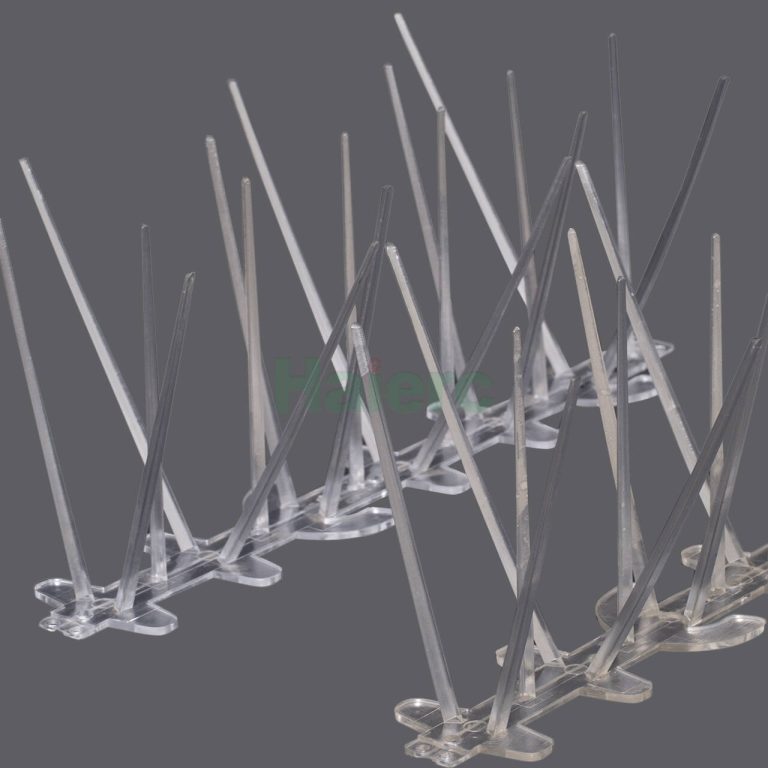
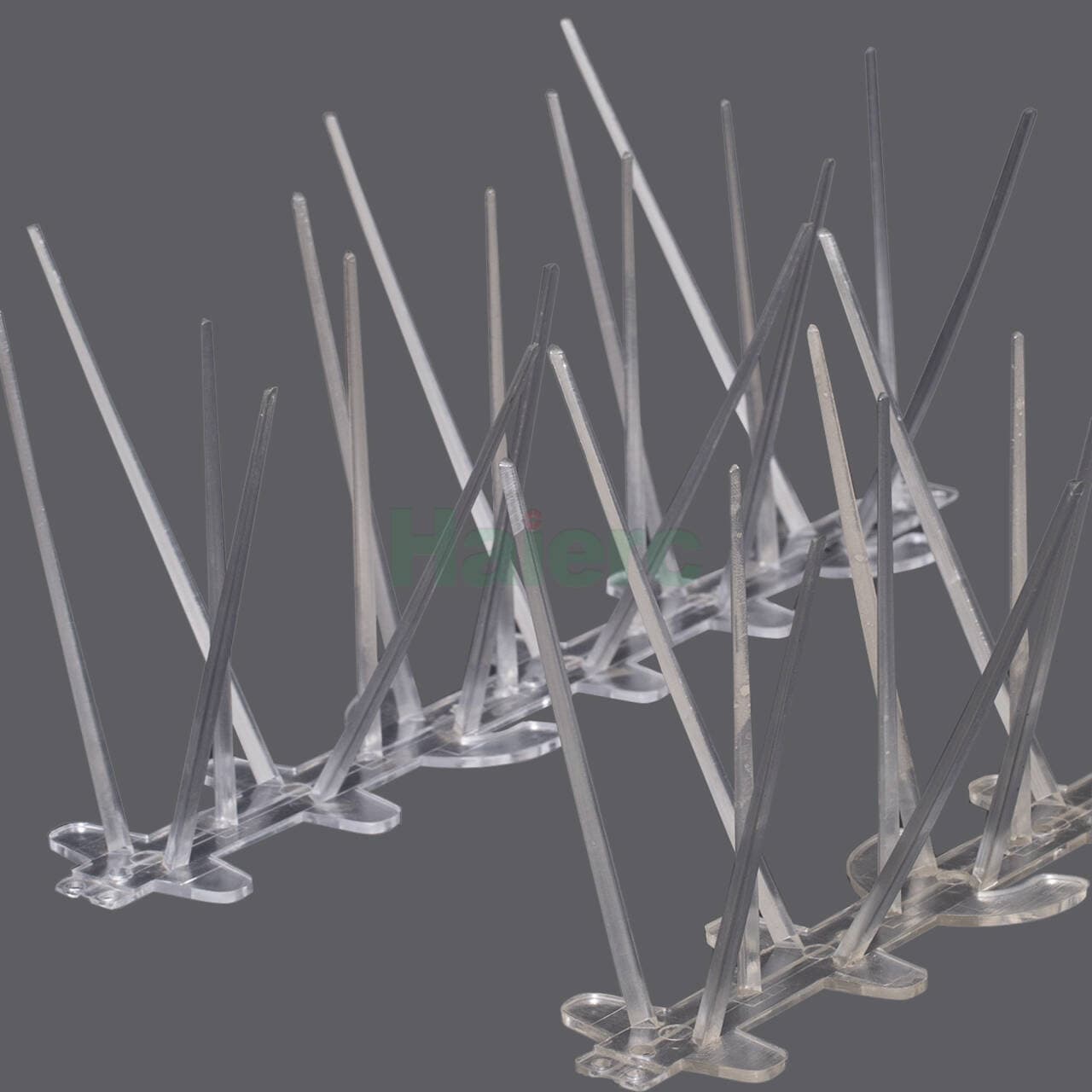
Facility managers seeking durable deterrent systems often rely on hardware like H Type Bird Spikes (HC1101-H2) to secure narrow ledges, while R Type Bird Spikes (HC1101-R2) addresses broader horizontal surfaces along exterior fencing.
Why Fence Bird Spikes Matter
Boundary lines and perimeter enclosures present prime elevated perching points for nuisance pigeons, gulls, and crows seeking resting spots or vantage territories. Leaving these structures unprotected inevitably leads to accumulated corrosive droppings that degrade wooden timber and metal fittings, while elevating health risks around commercial courtyards and logistics hubs. By installing low-profile physical deterrents along top rails, facilities teams actively deny secure footing without harming avian visitors.
Deploying specialized configurations like H Type Bird Spikes (HC1101-H2) ensures full ledge denial by physically obstructing potential roosting zones across broad post tops. For contoured or narrow boundaries, alternatives such as R Type Bird Spikes (HC1101-R2) offer targeted defense that stops recurring congregation before fouling damages structural assets.
What to Assess Before You Choose
A successful installation requires evaluating structural features, nuisance levels, and ongoing servicing constraints before purchasing hardware.
Site Conditions
Evaluate the fence boundary for structural integrity, substrate composition, and surface width. Timber featheredge boards, concrete posts, and powder-coated steel panels each require dedicated fixings such as exterior-grade adhesives, masonry anchors, or stainless-steel screws. Exposed, wind-swept perimeters also gather leaf litter and airborne detritus, meaning profiles like H Type Bird Spikes (HC1101-H2) should be positioned where they do not create secondary debris traps.
Pest Pressure and Species
Determine the primary target species and their level of motivation across the property line. Day roosting by smaller nuisance birds requires closely spaced projection patterns, whereas nesting feral pigeons exert heavy pressure that can dislodge poorly anchored bases. Deploying R Type Bird Spikes (HC1101-R2) over broader capping rails helps prevent heavier birds from straddling narrow single-row barriers or exploiting gaps along boundary walls.
Access and Maintenance
Plan for long-term inspection accessibility, particularly along shared property lines or elevated security boundaries. Installations situated above public walkways or adjacent to dense vegetation require routine clearing of accumulated twigs, feathers, and windblown litter. Selecting robust base configurations ensures the barrier remains secure during scheduled groundskeeping and routine fence washdowns.
How to Set Up Fence Bird Spikes Step by Step
A methodical installation sequence is designed to provide reliable bird deterrence along perimeter boundaries while minimizing common fitting errors.
Step 1: Survey the Site
Examine the full length of the boundary line to identify primary perching ledges, overhangs, and timber posts. Clear all debris, moss, and nesting material from surfaces, ensuring the mounting plane is dry, structurally sound, and free of loose splinters or rust before continuing.
Step 2: Select the Hardware
Match the deterrent profile to the specific fence rail width. Narrow rails benefit from H Type Bird Spikes (HC1101-H2), while broader post caps or double-beamed boundaries can use R Type Bird Spikes (HC1101-R2) to cover possible landing areas.
Step 3: Install and Position
Fix the modular strips directly along the running edge using exterior-grade silicone adhesive, corrosion-resistant screws, or mechanical clips. Position the base sections end-to-end without leaving any gaps, ensuring the effective zone of the UK fence bird spikes extends slightly past the front rail edge to prevent opportunistic perching.
Step 4: Inspect and Record
Test individual strip stability by applying gentle lateral force along the line. Note down installation dates, fastener types, and exact linear meterage in site maintenance logs to streamline future perimeter audits and scheduled cleanings.
Common Mistakes to Avoid
- Leaving perimeter gaps: Failing to run deterrents continuously across boundary rails leaves landing perches that birds quickly exploit, rendering partial coverage ineffective.
- Overlooking surface preparation: Applying adhesives to untreated wood, wet capping, or flaking paint causes base strips to lift during harsh weather shifts.
- Ignoring ledges and post caps: Placing strips along panels while neglecting posts allows larger pests to roost directly adjacent to protected spans, making configurations like H Type Bird Spikes (HC1101-H2) essential for broad top-rail coverage.
- Incorrect spacing between parallel rows: On wider perimeter boundaries, installing lines too far apart creates safe pathways between upright wires, requiring solutions that fit any ledge width, such as R Type Bird Spikes (HC1101-R2), to cover possible landing areas.
Frequently Asked Questions
Below are essential operational details addressing routine facility maintenance, integrated deterrent strategies, and procurement preparation for property boundaries.
Q: How often should the setup be inspected?
Installations require routine inspection at least twice a year, ideally before and after peak nesting seasons. Maintenance crews should clear trapped leaves or windblown debris to ensure H Type Bird Spikes (HC1101-H2) remains fully effective along exposed boundaries. Any loose fixtures caused by weather exposure or timber shifting should be secured immediately.
Q: Can this hardware be combined with other control methods?
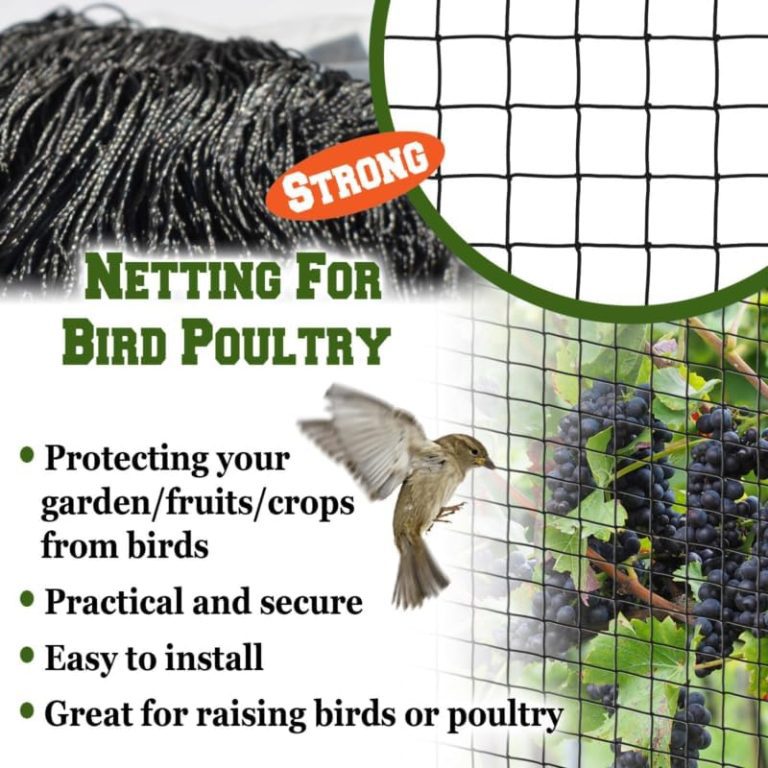
Combining physical barriers with visual or acoustic deterrents offers comprehensive perimeter defense across large industrial properties. Implementing reliable UK fence bird spikes alongside netting or gel systems prevents persistent species from relocating to adjacent ledges or rooftops. This layered strategy addresses varied landing pressures across diverse site architectural features.
Q: What should buyers check before ordering in bulk?
Buyers should confirm boundary dimensions and determine the precise landing pressure exerted by target species before purchasing. Verifying whether the fence substrate requires adhesive, screws, or cable ties prevents costly installation delays on commercial sites. Selecting the appropriate profile, such as R Type Bird Spikes (HC1101-R2), is designed to fit any ledge width.
About Haierc PCO
Haierc PCO manufactures physical pest-control hardware in Tianjin, China, with 18+ years of experience and 1000+ items in production. Haierc holds ISO9001; products are offered to CE, REACH and RoHS requirements where applicable; the factory is BSCI and SEDEX audited. Commercial terms: MOQ from 100 pcs; OEM / private label from 500 pcs. Contact: info@haierc.com | +86 18602234188 | https://www.haierc.com