How to choose mouse stations that stay dry in wash-down rooms
Introduction — The Wash-Down Dilemma in Food Processing
Water ruins bait. Sanitation teams in meat packing plants and dairy facilities use industrial pressure hoses running at high pressure every single night. That hot, chlorinated spray bounces off stainless steel walls, blasts along baseboards, and enters standard perimeter boxes. Within forty-eight hours, paraffin blocks swell into a foul, moldy mush that rodents avoid. That creates a serious failure for an integrated pest management program. Quality assurance auditors fail stations with soggy lures during plant inspections.
PCO technicians often spend valuable time replacing waterlogged blocks on weekly service visits. Selecting durable mouse stations for wash-down rooms requires evaluating specific structural features rather than relying on standard commercial hardware. The housing needs to divert direct spray, prevent pooling around entry holes, and protect monitoring blocks or snap traps from harsh detergents. Food production facilities demand non-toxic monitoring tools that remain clean between wash shifts. Finding durable hardware that withstands nightly wash-downs saves technician labor and prevents inspection write-ups.
Mechanical forces cause typical monitoring boxes to fail during daily sanitation routines.
Root Causes of Water Ingress During Daily Sanitation Cycles
Most entry baffles sit flat against the concrete floor. When a sanitation worker sweeps a hose across a processing room floor, water forms a rolling wave that reaches 20 to 30 millimeters in height. That dirty runoff carries fats, organic debris, and sanitizers directly through the access apertures. Once liquid enters the internal chambers, standard plastic walls trap it. The water cannot escape. The moisture sits inside, degrading monitoring lures and turning dry rodent droppings into an unsanitary slurry.
Facility design in wet food production zones creates harsh working conditions for physical hardware. Food processing plants frequently wash rooms daily with high-temperature water to control microbiological risks. This thermal shock causes inferior plastics to warp over several months. Once a lid twists slightly, internal locking tabs loosen. Secondary splashes then bypass the upper lid rim during overhead equipment cleaning.
Chemical interaction accelerates this mechanical breakdown. Daily contact with alkaline foamers and acid rinses strips plasticizers from cheap polypropylene housings. The material turns chalky, micro-cracks develop around the hinges, and the box stops sitting flush against the floor. A warped station allows rodents to bypass baffles while leaking wash water directly onto mechanical traps. Understanding these mechanics helps technicians solve the equipment issue instead of repeatedly replacing ruined lures.
These structural stress points show why specialized designs are needed to maintain dry conditions inside wet processing zones.
Five Steps to Place Mouse Stations in Wash-Down Zones
Protecting sensitive processing rooms requires a clear, repeatable setup procedure. Following structured operational steps builds a monitoring line that survives heavy sanitation routines:
Step 1: Evaluate Internal Baffle Geometry and Ingress Height
Examine how the entry tunnel handles splash back. Look for internal baffles that sit at least 15 millimeters above the external floor grade. Raised entry ramps force mice to climb slightly before turning into the feeding or trapping chamber. This elevation prevents floor runoff from flowing straight into the station. If water manages to get into the outer entryway, it should drain outward naturally rather than pooling inside the trap chamber.
Step 2: Verify Plastic Integrity Under Chemical Exposure
Demand durable polymers. Housings molded from Durable PP withstand sudden temperature shifts between cold storage and hot water wash cycles. Lower-grade resins become brittle under prolonged chemical cleaning. Impact-resistant polypropylene stands up to foaming agents, degreasers, and accidental impacts along busy facility paths.
Step 3: Implement Elevated Wall-Mounting Protocols
Avoid leaving mouse boxes resting flat on the concrete in heavy wash rooms. Mount the station 50 to 80 millimeters above the finished floor level on wall brackets, or use stations with rear mounting slots. Mice climb textured surfaces easily. Raising the station keeps it entirely above the wash-down splash line. Alternatively, use quick-release brackets that allow sanitation workers to unclip the housing during cleaning and re-attach it once the floor dries.
Step 4: Select Non-Toxic, Solid-Block Monitoring Hardware
Food production spaces often require non-toxic monitoring blocks or sensitive snap traps. Inside humid rooms, secure non-toxic monitoring blocks on vertical holding rods rather than laying them flat on the floor pan. Suspending the attractant prevents minor moisture condensation from soaking into the underside of the block.
Step 5: Establish Post-Sanitation Inspection Intervals
Even robust stations require verification. Technicians should inspect internal chambers for condensation beads during regular service visits. If moisture accumulates, drill two 3-millimeter weep holes in the outermost corners of the bottom tray away from the rodent pathways. This lets incidental condensation escape without creating entry points for crawling pests.
Matching the installation method to facility layout ensures reliable performance.
Hardware Configurations for Wet Commercial Facilities
Different processing zones require distinct station formats. A meat cutting room with open trenches presents different hazards than a dry packaging area. Operators must match the box construction to the wash routine of that specific room.
For tight equipment runs where space along walls is limited, the compact Easy Mouse Bait Station (HC2105) provides an effective footprint. Molded from Durable PP, this station fits behind floor drains and electrical conduit panels where mice run along structural piping. Its interior chamber accommodates mechanical traps or monitoring blocks, giving technicians a reliable tool in utility corridors adjacent to wet rooms.
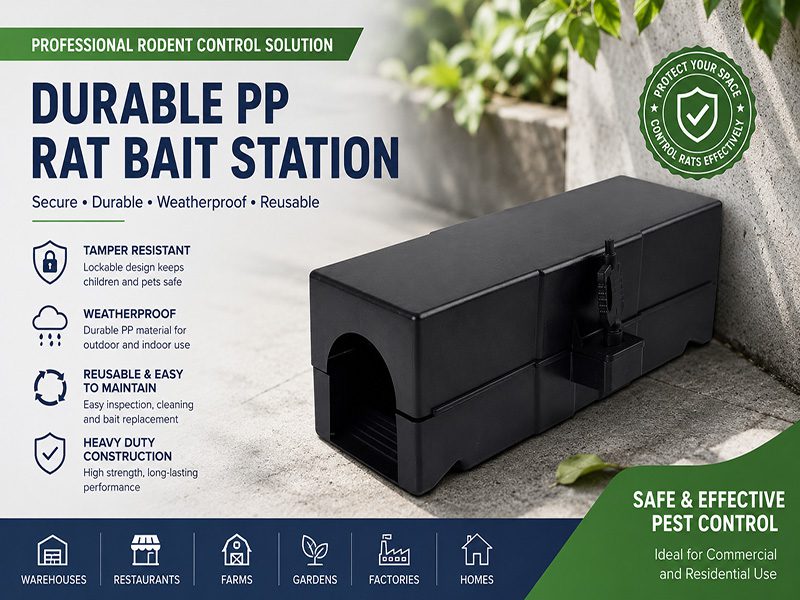
For high-traffic processing perimeters where boxes face impact and splash hazards, the Mouse Bait Station (HC2119S) delivers the necessary structural durability. Constructed from Durable PP, this station is tamper proof, lockable, and weatherproof. Its lockable shell keeps interior monitors secure, while the weatherproof design resists overhead hose splatter. The internal walls provide dedicated baffles that prevent water splashing directly into the bait compartment.
Facility pest managers often evaluate how surrounding exterior zones affect interior hygiene lines. Mice frequently enter wash-down rooms through dock bays and structural gaps before establishing harborages near utility lines. A sound management plan pairs reliable interior stations with perimeter monitoring along adjacent transition corridors. Deploying the tamper proof, lockable, and weatherproof Mouse Bait Station (HC2119S) along exterior foundation lines helps intercept pests before they breach processing zones, reducing overall pest pressure across the facility.
Avoiding common placement errors ensures hardware longevity and dry monitoring chambers.
Mistakes to Avoid When Operating in Wash-Down Environments
A frequent operational failure is placing mouse boxes directly under wall-mounted wash reels. When workers recoil high-pressure hoses, high-velocity water sprays straight down into the station lid seams. Standard commercial stations do not withstand a direct blast from close range. Always install stations away from hose reel assemblies, wall hydrants, and floor chemical mixing stations.
Another critical error is using paper-backed glue monitors inside high-humidity environments. Moisture in the air causes cardboard monitors to soften within days, degrading the adhesive layer. If insect monitoring is required alongside baiting, select plastic-based monitoring traps rather than paper boards. Choosing durable materials keeps the adhesive intact even when floors are wet around mouse stations for wash-down rooms.
Technicians also risk reduced efficacy by leaving old bait blocks in damp stations. When paraffin absorbs airborne humidity, it can grow surface mold that rodents avoid. Replace any block showing surface softening or mold during scheduled visits. Keeping fresh attractants inside the stations ensures reliable monitoring data.
Technical considerations for managing rodent hardware in wet facilities include several recurring operational questions.
Frequently Asked Questions
Q: Can standard rodent stations be made completely waterproof against pressure washers?
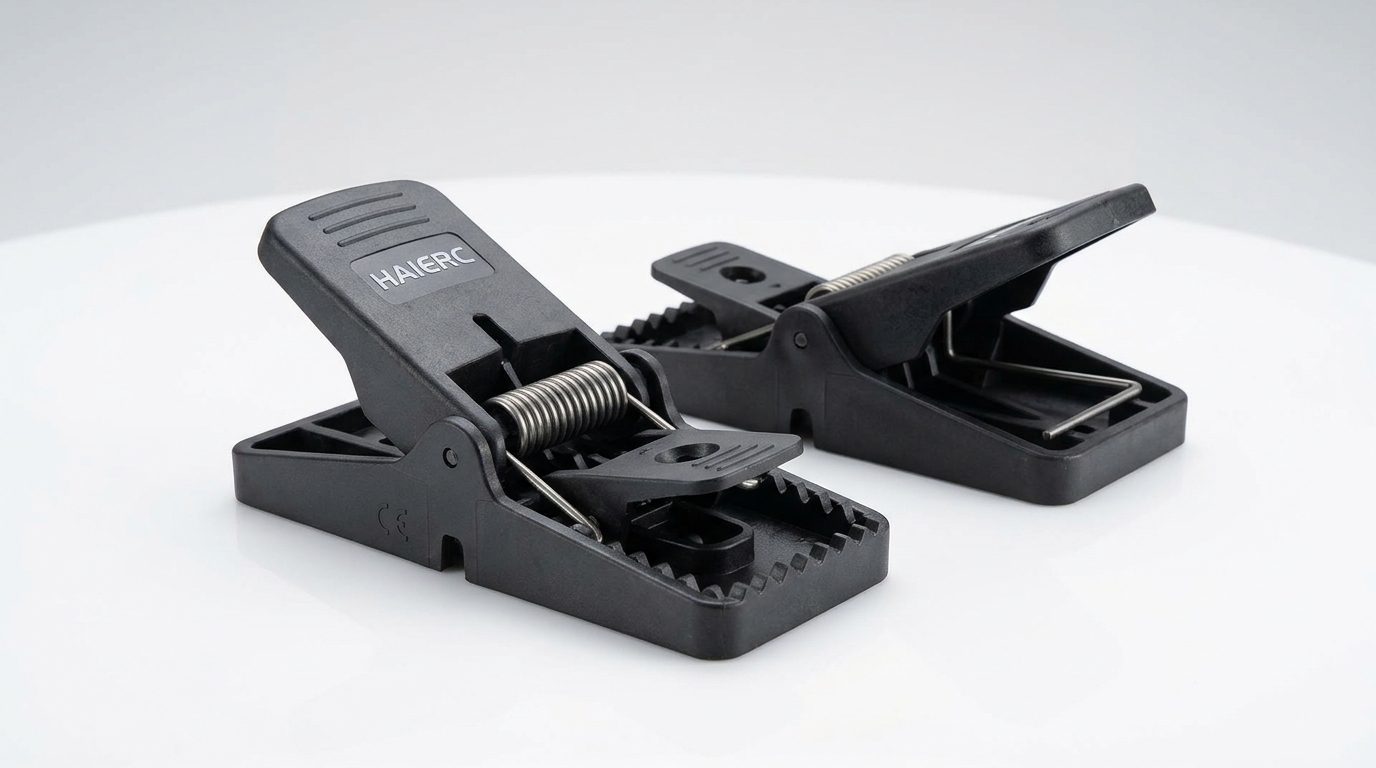
A: Commercial stations are not fully submersible or impervious to direct high-pressure hose spray because rodents require open apertures to enter. However, models like the Mouse Bait Station (HC2119S) minimize water entry through internal baffling and raised floor profiles. For intense wash-down zones, mounting stations on wall brackets 80 millimeters above the floor avoids rolling water waves.
Q: What happens if sanitation chemicals accidentally get inside a mouse station?
A: Cleaning agents and chemical sanitizers leave strong residues that rodents avoid. If cleaning chemicals enter a housing, the station must be opened, rinsed with clean water, dried completely, and reloaded with fresh monitoring blocks before rodents will enter the chamber again.
Q: Should snap traps or non-toxic monitoring blocks be used in wash-down rooms?
A: Both work well when protected from direct water inside mouse stations for wash-down rooms. Mechanical snap traps provide immediate capture confirmation, though metal springs require monitoring for rust in humid spaces. Non-toxic paraffin monitoring blocks resist moisture well when elevated above the base of the housing on interior securing rods.
Q: How often should bait blocks be replaced in high-humidity meat or dairy plants?
A: In wash-down environments running daily sanitation shifts, non-toxic monitoring blocks should be inspected regularly and replaced promptly if softening occurs. High ambient humidity can soften the wax matrix and promote fungal spores, which discourages rodent feeding.
Professional Hardware Sourcing for Modern Processing Plants
Keeping interior monitoring stations dry requires tough hardware, proper wall positioning, and consistent inspection routines. Standard lightweight boxes fail under industrial cleaning conditions, driving up labor costs and creating compliance problems. Equipping facilities with heavy-duty housings like the Mouse Bait Station (HC2119S) and the Easy Mouse Bait Station (HC2105) protects monitoring investments and keeps pest control programs running smoothly.
Review facility layouts, adjust station mounting heights, and replace damaged or waterlogged equipment before scheduled hygiene inspections to maintain reliable monitoring records.
About Haierc PCO
Haierc PCO manufactures physical pest-control hardware in Tianjin, China, with 18+ years of experience and 1000+ items in production. Haierc holds ISO9001; products are offered to CE, REACH and RoHS requirements where applicable; the factory is BSCI and SEDEX audited. Commercial terms: MOQ from 100 pcs; OEM / private label from 500 pcs. Contact: info@haierc.com | +86 18602234188 | https://www.haierc.com