How Should Grain Silos & Feed Mills Monitor and Control Rodents? A Facility Buyer’s Guide
Introduction
Grain storage rodent control is the systematic deployment of tamper-resistant physical barriers, multi-catch mechanical traps, and secured monitoring stations to exclude and eliminate commensal rodents around bulk grain assets.
Rats destroy profits. A single adult Norway rat eats roughly 20 grams of feed daily, but it contaminates ten times that volume with droppings, urine, and hair. When brown rats breach concrete footings around damp silo pits, they chew high-voltage wiring, contaminate thousands of tonnes of winter wheat, and fail third-party audits immediately. That cannot happen. Pest managers working agricultural accounts know that consumer-grade gear snaps under farm machinery or degrades in wet conditions. You need durable hardware.
As a manufacturing partner producing pest management gear for 18 years in Tianjin, China, we see where commodity traps fail. Feed mills produce heavy dust, constant vibration, and limitless alternative food sources. Standard methods fall short here. This guide details how commercial operators, agricultural merchants, and pest control distributors specify, position, and maintain commercial hardware to protect bulk commodities across the United Kingdom.
Why Grain Silos and Feed Mills Face Extreme Rodent Pressures
Grain handling structures are biological magnets for pests. Open receiving pits, grain elevators, transfer augers, and warm boiler rooms supply endless shelter and food. Field mice (Apodemus sylvaticus) and brown rats (Rattus norvegicus) establish dense colonies under foundation pads within days of harvest intake. Feed mill rodent control becomes impossible if you only react to sightings inside the processing floor.
Regulatory liability in the UK is brutal. Auditing bodies like Red Tractor, along with the British Pest Control Association (industry guidance) and the Confederation of European Pest Management Associations (CEPA), enforce strict limits on rodent activity near feed production lines. Under the third-party food-safety buyer audits Global Standard for Food Safety Issue 9, open rodenticide baiting inside food processing zones is prohibited. Permanent outdoor toxic baiting is also heavily restricted under Campaign for Responsible Rodenticide Use (CRRU) guidelines. Inspectors don’t give second chances. If droppings end up in a 20-tonne delivery of animal feed, the entire batch is condemned. The recall expenses fall squarely on the mill operator.
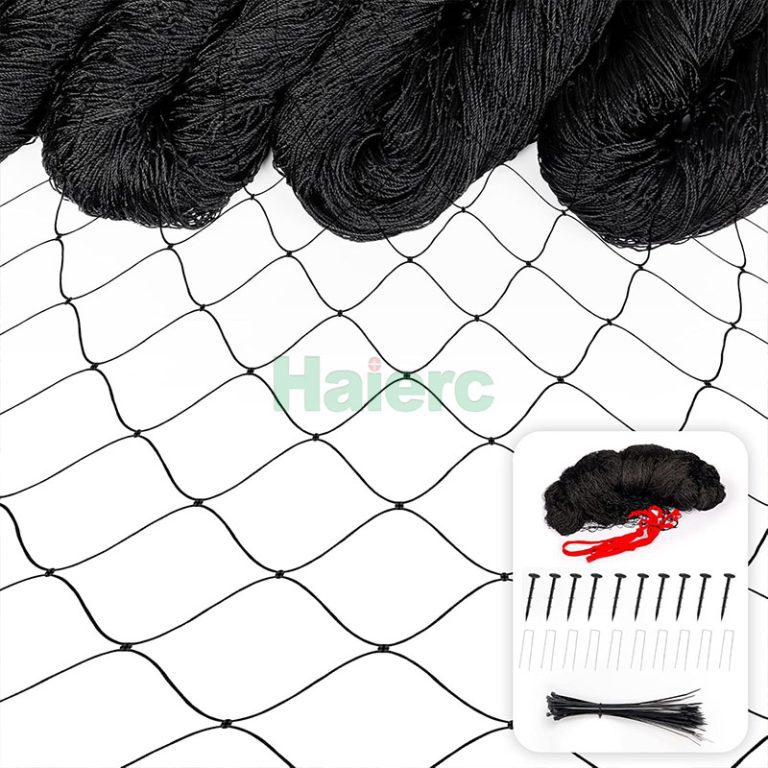
Secondary pest infestations compound the damage. Rodent activity brings bird vectors into loading bays, forcing facility managers to source Bird Spikes and heavy bird netting from a reliable bird spikes supplier to maintain biosafety. Unexplained equipment downtime in a milling circuit often traces back to rodent teeth stripping three-phase power lines. Physical exclusion and heavy-duty containment hardware remain the only reliable long-term defense.
How to Build a Multi-Tiered Rodent Defense: Product Placement and Mechanics
Effective grain silo rat control relies on concentric zones of defense. You cannot place a few boxes at random and expect clean audits. Hardware must follow a disciplined perimeter layout.
+————————————————————-+
| ZONE 3: Facility Outer Boundary (Fence line) |
| [Tamper-Proof Rodent Bait Station Grain – 15m Spacing] |
| |
| +—————————————————–+ |
| | ZONE 2: Silo Skirts & External Foundations | |
| | [Pro Multi Catch Rat Trap & Heavy Bait Boxes – 8m] | |
| | | |
| | +———————————————+ | |
| | | ZONE 1: Internal Processing & Bagging Areas | | |
| | | [Multi Catch Mouse Trap & Non-Toxic Blocks] | | |
| | +———————————————+ | |
| +—————————————————–+ |
+————————————————————-+
Zone 3: Boundary Enclosure
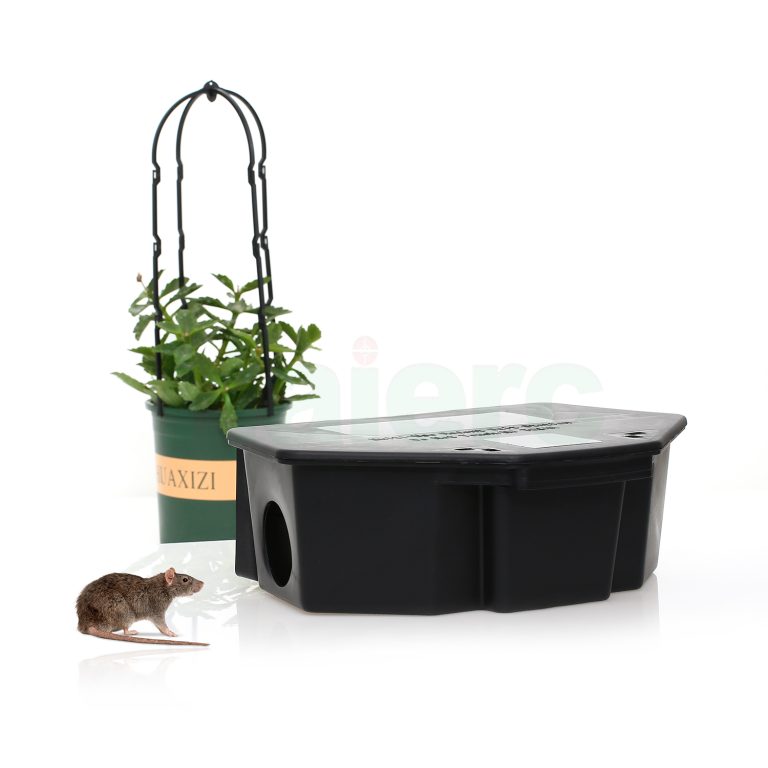
Install external stations along fence lines and unpaved perimeter boundaries. Space stations 15 meters apart. This outer perimeter takes the brunt of incoming field pressure before rodents reach grain bins. Use our lockable, UV-stabilized tamper-resistant boxes anchored to concrete paving slabs. These units hold non-toxic monitoring blocks or approved rodenticide blocks secured on horizontal 304 SS retaining rods.
Zone 2: Silo Skirts and Conveyor Lines
Place stations every 8 to 10 meters around bin foundations, dryer bases, and elevator boot pits. Norway rats run along vertical concrete footings. Trap placement must mirror this behavior. Position stations flush against walls with the entry holes parallel to the wall.
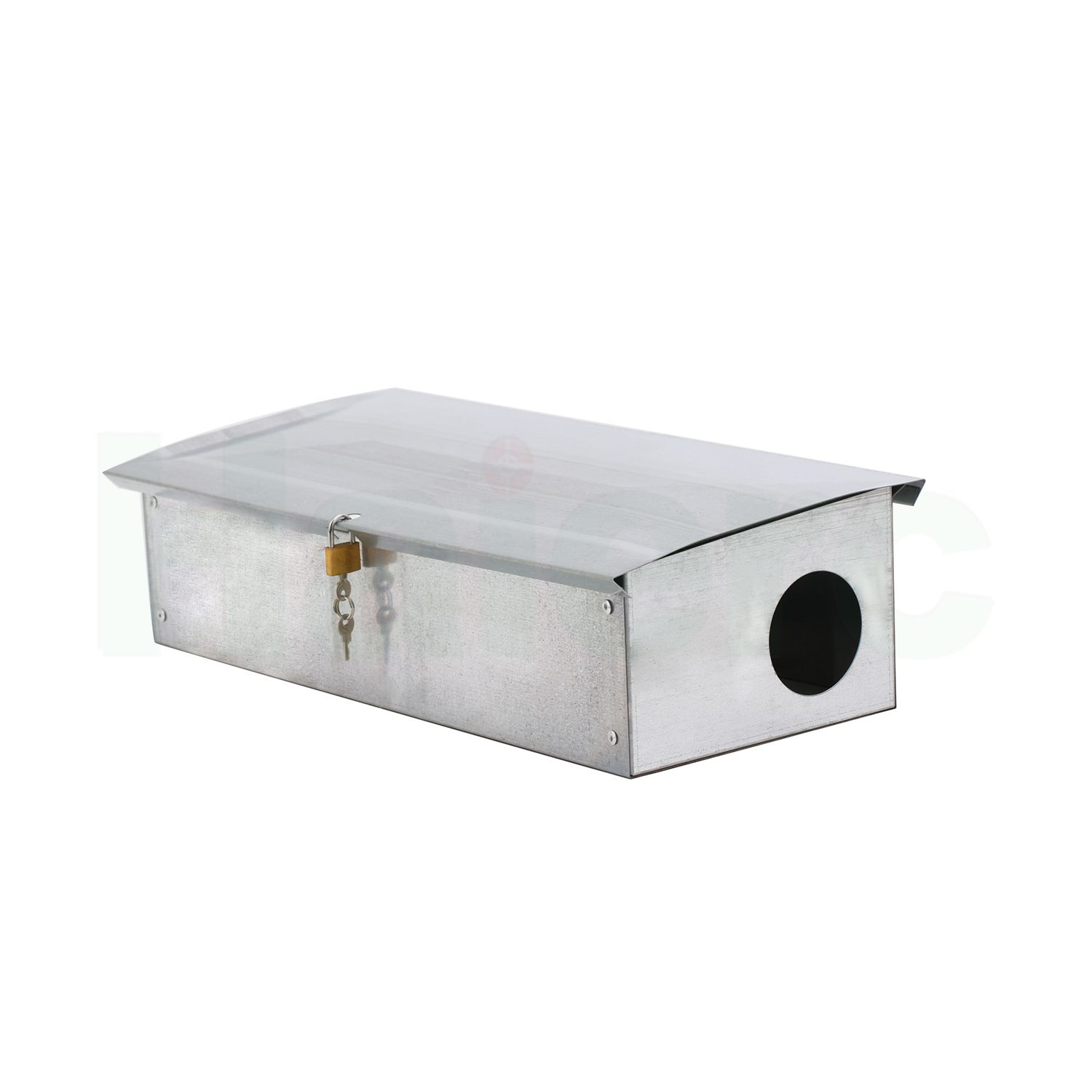
Here, mechanical multi-catch hardware is mandatory. The Pro Multi Catch Rat Trap eliminates the hazard of chemical contamination near intake grates. Deploy our heavy-gauge galvanised steel mechanical traps that reset automatically after triggering. They provide continuous agricultural rodent monitoring without requiring daily re-arming.
Zone 1: Internal Milling Floors and Packing Lines
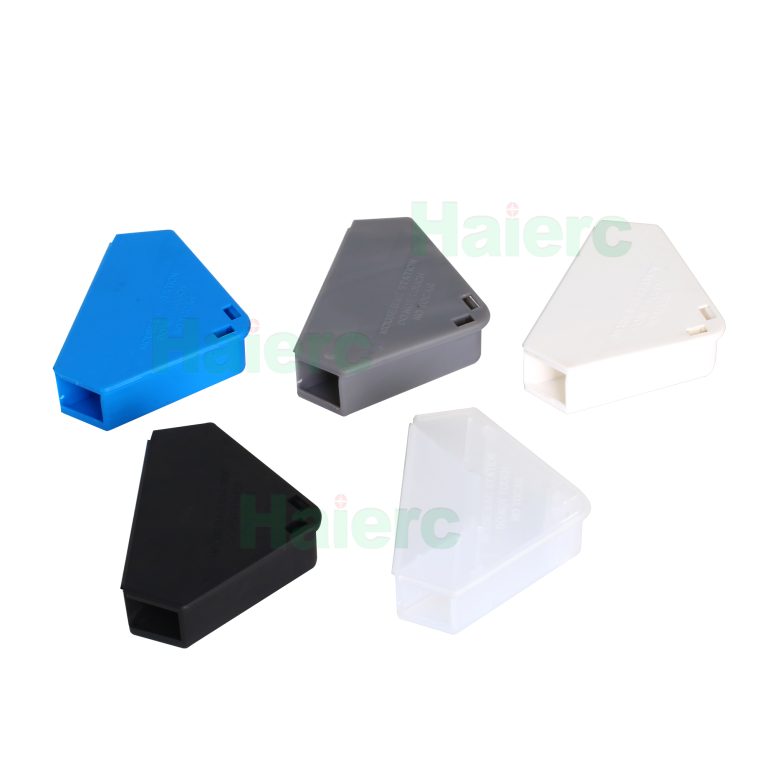
Zero poisons allowed. Use our dual-entry Multi Catch Mouse Trap and sensitive snap traps enclosed within protective plastic Mice Traps Bait Boxes. Place them along interior walls, switchgear cabinets, and pallet racking lines at 5-meter intervals. Pair them with a Non-Toxical Insect Glue Trap inside monitoring tunnels to track crawling grain beetles alongside juvenile mice.
Check your seals weekly. If you notice localized ground burrowing outside grain elevators, farm operators often ask: can an easy mole trap clear out subterranean runs? For farmyards, specialized claw traps handle yard moles, but inside the processing apron, you must focus entirely on rat runs using high-tensile steel hardware.
Product Deep Dive: Heavy-Duty Rodent Hardware and Material Standards
Agricultural environments destroy cheap plastics. Farm vehicle tires crush flimsier residential boxes. Fermented grain dust creates an acidic environment that rapidly corrodes untreated sheet metal.
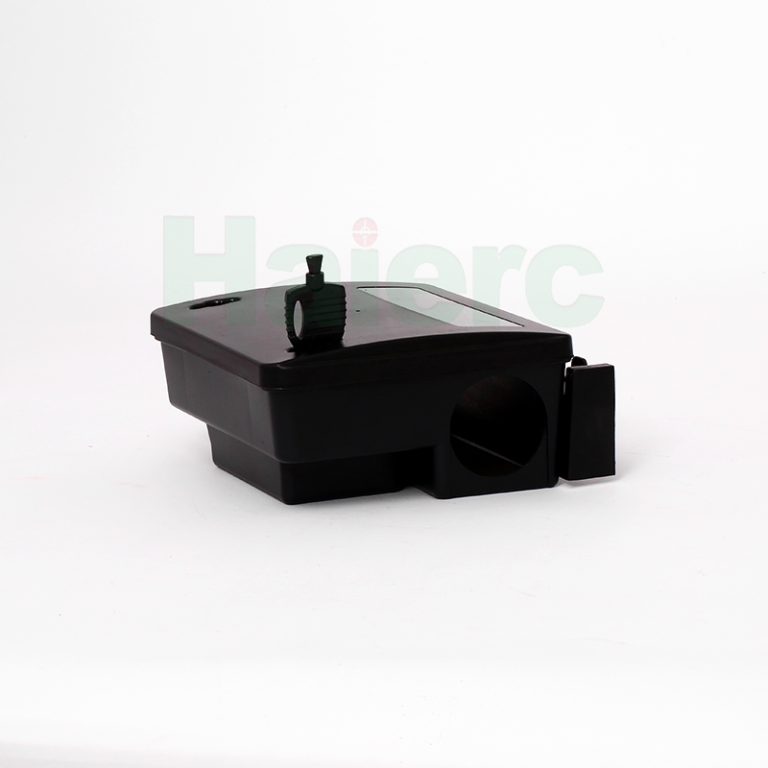
Our factory manufactures our rodent bait station grain units using high-density polypropylene copolymer. The composite includes UV-stabilising additives that prevent embrittlement under intense summer sun and sub-zero winter temperatures. The hinge system avoids two-piece pins that loosen and drop out. We mold an integrated living hinge tested to over 10,000 opening cycles, secured by a proprietary double-lug key lock. Farm workers cannot easily pry them open with screwdrivers. Grain dust stays out; bait stays protected.
For facilities processing organic grains, chemical baits are prohibited under ISO 22000 and third-party food-safety buyer audits food safety protocols. The sticky fly trap, which held a 40% share in 2025 for organic residue-free processing, works well for flying insects, while mechanical Multi Catch Rodent Trap units handle rodent vectors cleanly.
Our Pro Multi Catch Rat Trap uses high-tensile galvanized steel treated with a 120g/m² zinc coating. This anti-corrosion barrier resists ammonia emissions from spilled grain decay. The internal counterbalanced ramp design trips smoothly under the weight of a juvenile mouse yet resets instantly for adult rats up to 450 grams.
Haierc Industrial Rodent Hardware vs Industry Standard Hardware
| Specification | Haierc Industrial Standard | Alternative Option Standard |
|---|---|---|
| Housing Material | Virgin UV-Polycarbonate / High-Impact PP Copolymer | Recycled Polypropylene or Thin Polystyrene |
| Hinge Durability | Reinforced Heavy-Duty Hinge (10,000+ Cycles) | Snap-fit Plastic Tabs (Prone to Fatigue Cracking) |
| Locking Mechanism | Universal Double-Lug Key, Tamper-Resistant | Single-Push Latch (Easily Forced by Hand) |
| Internal Bait Hardware | Corrosion-Proof 304 SS Securing Rods | Mild Galvanized Wire (Rusts in High Humidity) |
| Wall Thickness | 2.8 mm Structural Wall Thickness | 1.5 mm – 1.8 mm Standard Wall Thickness |
| Cold Impact Resistance | Tested to -25°C Without Brittle Fracture | Cracks Under Impact Below -5°C |
| Compliance Certification | CE, REACH, RoHS, ISO9001 Compliant | Variable / Uncertified Recycled Streams |
Every station model we ship complies fully with REACH and RoHS chemical restrictions, ensuring non-toxic hardware contact surfaces across critical food supply chains.
Key Benefits for United Kingdom Distributors and Agricultural Stockists
Distributors supplying the UK agricultural sector face demanding buyers. Farm managers don’t want excuses; they want equipment that survives heavy agricultural use. Stocking our commercial range gives trade counters a tangible competitive edge.
First, our hardware directly supports CRRU compliance. UK law mandates that pest controllers demonstrate rodenticide stewardship. Having robust, tamper-resistant monitoring boxes that securely house non-toxic attractants or lockable break-back traps makes regulatory compliance straightforward for pest controllers. It protects their operational license.
Second, freight efficiency matters. Bulky, hollow products can drive up container shipping costs. We design our external bait boxes to nest securely inside one another. Our stackable profiles save up to 35% in container volume compared to older, rigid competitor designs. This cuts ocean freight costs per unit, protecting your landing margins in Felixstowe or Southampton.
Third, agricultural supply depots can diversify their catalogs with complementary physical exclusion stock. Cross-merchandise bait stations with physical barriers. International trade buyers frequently bundle rodent gear alongside bird prevention lines. Net weight: 890g. Constructed from 2.8mm thick impact-modified polypropylene. Dual entry ports (60mm diameter) engineered for brown rats. Includes 304 SS horizontal bait rods, a removable interior bait tray, and a wall-mounting bracket. coverage options configurations adapt easily to fit narrow foundation ledges. Standard master carton holds 12 units.
The minimum order quantity (MOQ) is 500 units per master line for standard runs. Pallet configurations are tailored to standard UK (1200mm x 1000mm) or Euro-pallet (1200mm x 800mm) footprints.
OEM/ODM Opportunities for Regional Pest Brands
Branded equipment builds client retention. Why market unbranded boxes when every station on a farm can promote your company?
Our Tianjin manufacturing facility provides full OEM and ODM services for pest control franchises, agricultural merchants, and distributors. We handle private-label branding in-house. We can hot-stamp or laser-etch your corporate logo, emergency telephone number, and regulatory safety text onto station lids. The branding is permanent. It won’t peel off in wind, rain, or dust.
Custom tooling is a core strength. Need a specific opening size, a proprietary key lock, or tailored internal bait clips? Our engineering department builds custom injection molds within 25 days. We also offer custom polymer colors: signal black for discreet industrial lines, slate grey for grain silos, or high-visibility red for designated safety-critical inspection traps. Custom barcoding, bilingual UK/EU instruction inserts, and shelf-ready retail master packaging are executed under strict ISO9001 quality supervision.
Why Commercial Pest Operations Partner with Haierc PCO
Agricultural pest management equipment procurement requires a reliable supply chain. When field populations surge in autumn, distributors cannot afford manufacturing delays or split shipments.
Haierc PCO has manufactured pest control hardware for 18 years. We operate a modernized factory spanning 12,000 square meters in Tianjin, China. Our facilities run with ISO9001 quality management, along with BSCI and SEDEX social compliance audits. We don’t trade commodity goods sourced from third-party shops. We stamp the metal, run the injection molds, and inspect the springs ourselves.
Every batch undergoes rigid quality checks: 1-meter drop testing at -15°C, hinge fatigue testing, salt-spray corrosion checks on metal rods, and catch-spring torque verification. Our proximity to Tianjin Port provides streamlined container departures to international shipping lanes. Standard production lead times run 15 to 25 days, with rush manufacturing slots available for seasonal agricultural spikes. Qualified commercial distributors receive free sample boxes for field trials and testing before placing bulk production orders.
Q: What makes Haierc rodent bait stations suitable for high-dust feed mill environments?
A: Our stations feature an overlapping, weather-sealed rim and an internal elevated bait tray. This design prevents fine grain dust and moisture from entering the bait compartment, protecting non-toxic monitoring blocks from spoiling prematurely and keeping trap mechanisms operational.
Q: Can our company order custom-branded rodent boxes with our logo?
A: Yes. We offer OEM private-label branding with custom hot-stamped or laser-etched corporate logos, audit numbering, and contact information directly on the station lids. The minimum order quantity for private label branding starts at 500 units.
Q: How do your mechanical traps align with UK third-party food-safety buyer audits and CRRU regulations?
A: Haierc Pro Multi Catch Rat Traps and enclosed snap traps provide non-toxic, mechanical exclusion and capture. This allows UK operators to maintain zero-tolerance rodent standards without using permanent outdoor toxic baits, satisfying both third-party food-safety buyer audits audit criteria and CRRU stewardship requirements.
Q: What is the typical lead time for full-container shipments to the UK?
A: Standard factory lead time is 15 to 25 business days from order confirmation. Ocean transit from Tianjin Port to major UK container ports, such