Glue Traps vs. Snap Traps: Which is Better for Your Pest Control Business?
The Professional Choice: Glue Boards vs. Snap Traps
Technician time is the single biggest expense for any pest control business. Whether you are managing a high-volume warehouse contract or a single residential call-out, the hardware you choose dictates your margins. In the UK and US, the debate between glue boards and snap traps has shifted from simple efficacy to a complex mix of labor costs, optics, and changing legislation.
Mechanical traps have been the industry standard for a century, but adhesive technology offers a different kind of speed for commercial accounts. Balancing these two tools requires an understanding of site-specific pressures and the practical realities of a service route.
Glue Traps: Precision and High-Volume Deployment
Professional glue boards are the go-to for sensitive environments where traditional mechanical triggers might fail. These traps consist of a plastic or heavy-duty cardboard base coated in a specialized adhesive that remains tacky even when temperatures fluctuate between 5°C and 45°C.
Operational Advantages
Glue traps win on placement. Their low profile allows technicians to slide them under pallets, behind kitchen kickboards, and along the narrow ledges of pipe runs. Because they don’t require a rodent to interact with a mechanical trigger, the catch rate is often higher in areas with high rodent pressure. From a logistics standpoint, professional glue boards are typically packed 72 or 144 units per case, allowing for high-density storage in service vehicles where space is at a premium.
The Trade-off
The primary hurdle is environmental contamination. In dusty settings like grain silos or active construction sites, the adhesive surface can become “capped” with debris, rendering it useless. This necessitates a more frequent replacement cycle compared to mechanical options. There is also the matter of ethics; glue traps do not provide an instant kill, which has led to increased scrutiny from both the public and regulators.
Snap Traps: The Clean Kill and Reusability
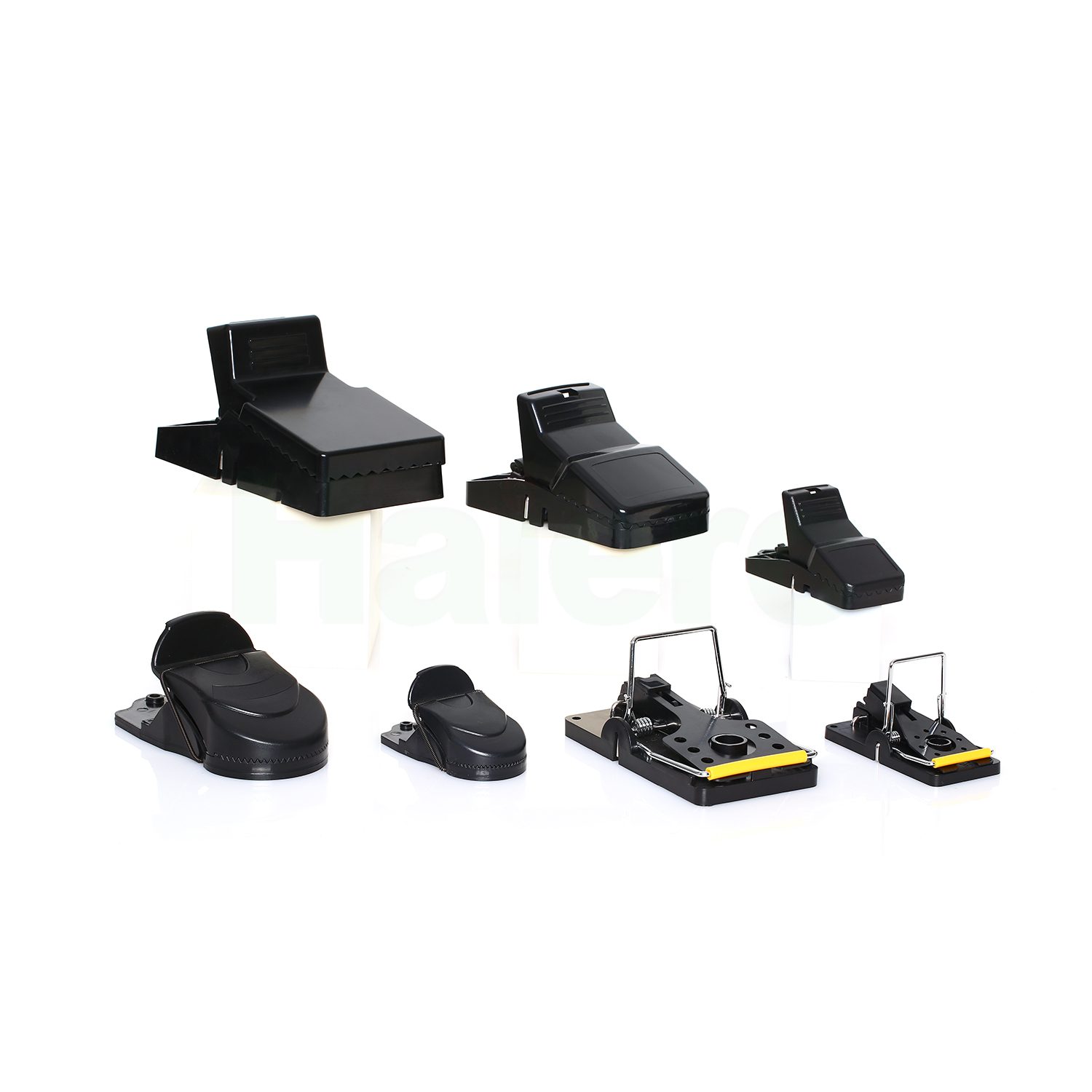
Modern snap traps have evolved far beyond the old wood-and-wire designs. Today’s professional versions use high-impact polymers and precision-engineered springs to ensure a clean, lethal blow every time. For many PCOs, these are the preferred choice for long-term maintenance contracts.
Operational Advantages
The main business benefit is reusability. A sturdy plastic snap trap can be sanitized and redeployed dozens of times, which helps stabilize your equipment costs over a multi-year contract. Clients generally view them as more humane because the result is immediate. They also hold up better in harsh environments; a mechanical spring is less likely to be compromised by dust or high humidity than an adhesive surface.
The Trade-off
Labor is the bottleneck here. A technician can deploy three glue boards in the time it takes to carefully bait and set one snap trap. There is also the risk of “trap shyness” or misfires, where a rodent triggers the mechanism without being caught. For large facilities, the time required to manually inspect and reset hundreds of snap traps can quickly erode the savings gained from their reusability.
Where to Deploy: Field Scenarios
Strategy usually depends on the specific environment and the client’s sensitivity.
- Food Processing and Pharma: Glue traps are often mandatory in tight, high-cleanliness zones where moving mechanical parts could pose a contamination risk.
- Residential Services: Snap traps are the standard. Homeowners rarely want to handle an immobilized, live rodent. A snap trap placed inside a secure bait station offers a quick, discreet resolution.
- Industrial Warehousing: A mix is best. Use glue boards for mass-trapping along perimeter walls and snap traps in high-traffic loading bays where dust is prevalent.
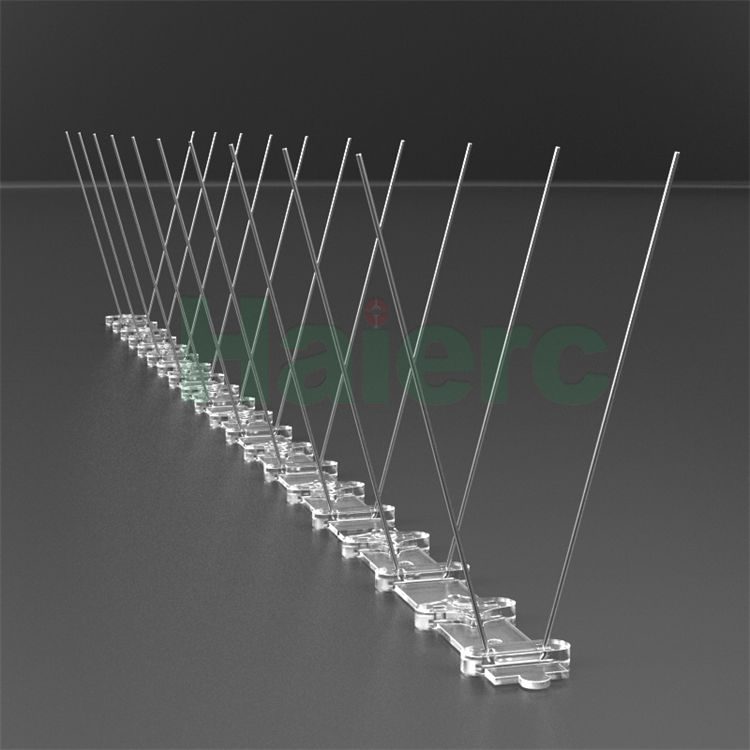
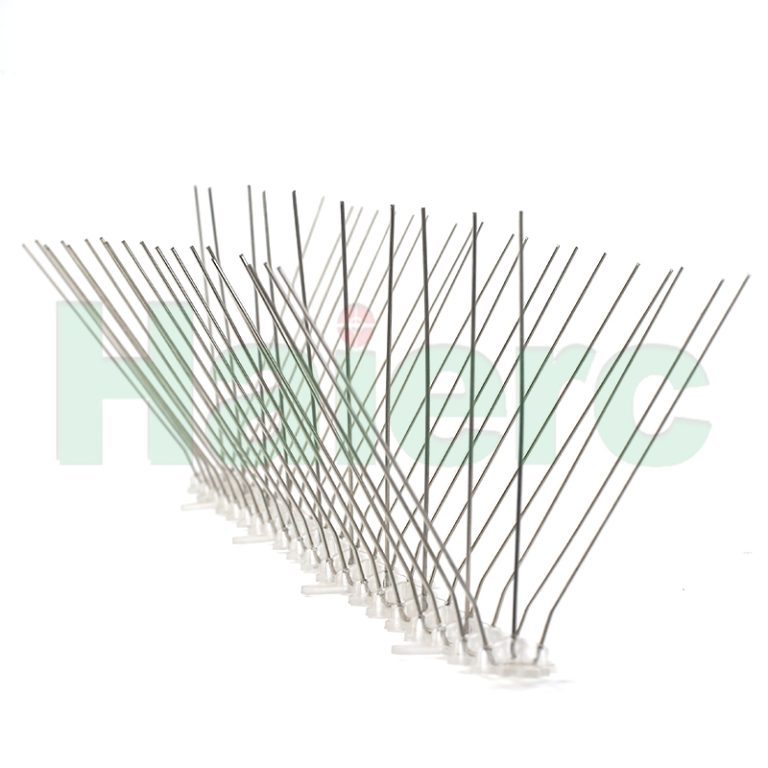
A smart service package often includes bird exclusion as well. If you are already on-site for rodents, check the rooflines. Polycarbonate bird spikes are a natural add-on; they are easy to install and share the same 10-day lead time as our bulk rodent supplies during peak season.
The Shifting Regulatory Landscape
Legislation is tightening, particularly in Europe. The UK’s Glue Traps (Offences) Act restricts use to licensed professionals in specific contexts. For importers and distributors, this means your inventory must be agile. While the US currently lacks a federal ban, state-level restrictions in places like California are becoming more common. Snap traps remain the most compliant long-term bet for businesses operating across multiple jurisdictions.
Trends in Integrated Pest Management (IPM)
The industry is moving toward “detect and protect” models. Electronic monitoring is no longer a niche product; sensors attached to both snap traps and glue boards can alert a technician’s smartphone the moment a catch occurs. This technology transforms the service model from “check every trap” to “service only the triggers,” saving massive amounts of labor on large-scale accounts.
Managing Your Inventory
A profitable pest control business avoids relying on a single tool. Diversifying your stock allows you to pivot from a luxury apartment call-out to a massive distribution center without a second thought. We recommend maintaining a steady supply of both mechanical and adhesive options. For bulk wholesale orders, we typically see a minimum order quantity (MOQ) of 50 cases for custom-branded boards, providing a professional look that keeps your brand in front of the client.
Contact us today to request a sample pack of our latest adhesive boards or to discuss pallet-rate pricing for the upcoming season.