Snail and slug trap placement for nursery and garden centers
Introduction
Physical containment devices lure, capture, and drown phytophagous gastropods away from high-value plant inventory. Container yards stay damp from irrigation systems. Overhead misting runs constantly, and dense foliage canopies create the dark, humid shelter that brown garden snails (Cornu aspersum) and gray garden slugs (Deroceras reticulatum) require to thrive. When twilight falls, these mollusks crawl from drainage holes and ground-cloth seams straight onto tender liners, hostas, and bedding crops. A single slug can chew through dozens of leaves before dawn, leaving ragged holes, slime trails, and unsellable merchandise that retail garden center buyers routinely reject.
Market Overview and Commercial Problem Context
Commercial greenhouse and field nursery operations operate on narrow margins where foliar damage leads directly to financial write-offs. A distributor supplying commercial ornamental operations knows that inventory grading is unforgiving. If a shipment of decorative hostas, delphiniums, or broadleaf evergreens shows visible foliar feeding marks, retail garden centers reject the entire pallet. Mechanical barriers and targeted traps reduce overall chemical use, providing practical solutions for wholesale plant production.
Wholesale suppliers often consolidate their purchases across several physical pest management lines. When outdoor holding yards run parallel to structural distribution facilities, pest pressures overlap. Operations stocking wildlife traps in packing sheds often find that container yards right outside those walls suffer heavy snail migration from drainage ditches and turf edges.
Gastropods migrate from gravel paths, weed-covered ditch banks, and wood mulch piles into active growing zones. Potted soil offers loose, aerated structure ideal for egg laying, while container bottoms hold residual moisture during dry midday heat. In outdoor shade structures, gastropod counts can spike during wet spring months. Applying physical hardware prevents repetitive chemical applications that wash into perimeter retention basins.
Product Deep Dive: Snail/Slug Trap (HC3201)
Physical gastropod interception hardware must endure constant moisture, fertilizer exposure, and UV exposure. Flimsy retail cups buckle when stepped on or flooded by irrigation booms. Commercial nurseries require purpose-built devices that sit firmly in soil, gravel, or sub-irrigation sand beds.
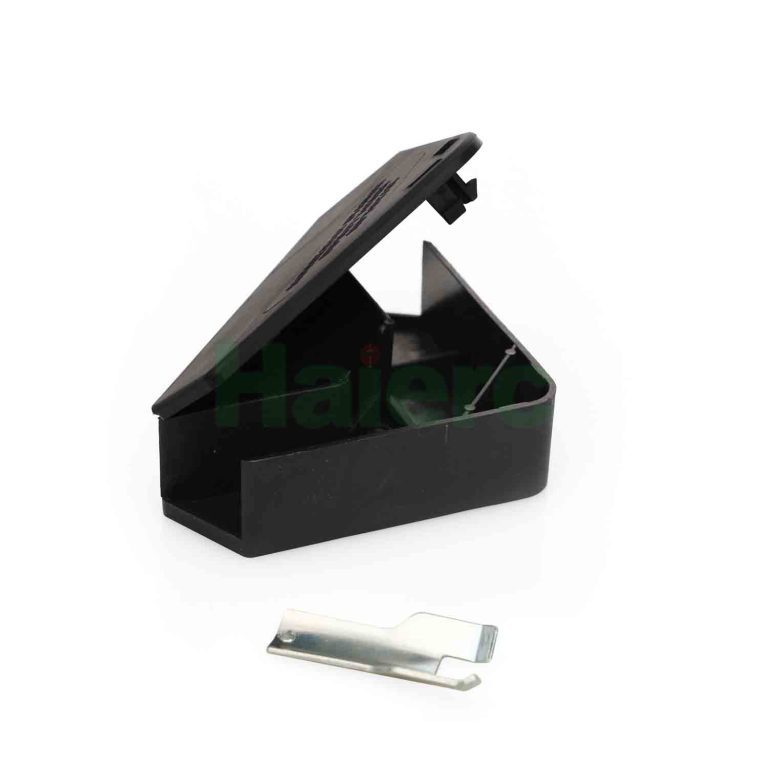
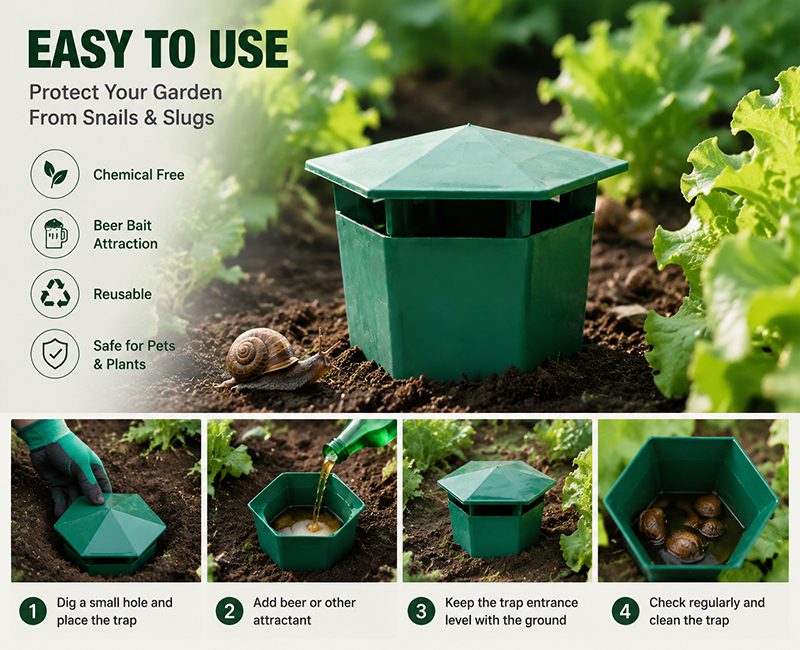
The Snail/Slug Trap (HC3201) delivers reliable mechanical capture for commercial propagation blocks and container yards. Manufactured from PP, this unit features a robust cup design that inserts directly into growing media or perimeter gravel beds. The housing features aluminium construction, lightweight, telescopic attributes that adjust to match varying ground-cover depths and bench setups. The secure cover hood shelters the interior attractant reservoir from overhead irrigation spray, preventing premature dilution of liquid baits like yeast-water slurries, malt extracts, or fermenting fruit juices. Slugs enter via angled entry baffles along the base rim, drop into the reservoir, and cannot find purchase on the smooth PP interior walls to crawl out.
To reinforce trap perimeters along elevated nursery benches, technicians pair pitfall traps with mechanical perimeter barriers. Copper Foil Tape 1 inch (HC2903-1INCH) provides a galvanic deterrent around bench legs and display table risers. Made of Copper, it blocks entry points, rodent proof, rust resistant under high-humidity greenhouse misting. When a slug’s moist muscular foot touches the tape, an electrolytic reaction generates an unpleasant electrical sensation that prompts the pest to retreat. Integrating Copper Foil Tape 1 inch (HC2903-1INCH) around propagation bench framing while stationing Snail/Slug Trap (HC3201) units in surrounding ground rows establishes a multi-layered defense to shield cuttings without leaving residues on root plugs.
Nursery Placement and Step-by-Step Strategic Layout
Trap placement requires a systematic approach. Placing traps randomly across a large container pad wastes labor and leaves vulnerable plant blocks unprotected. Nurseries benefit from a planned perimeter layout based on gastropod biology, moisture gradients, and logistical pathways.
Step 1: Map the High-Moisture Infiltration Zones
Begin by inspecting nursery boundaries at dawn or dusk. Identify overgrown fence lines, retention pond banks, pallet storage piles, and unweeded gravel turnarounds. These damp zones serve as primary daytime nesting harborages. Mark these sectors as the primary interception perimeter.
Step 2: Establish the Outer Buffer Line
Install Snail/Slug Trap (HC3201) units along the perimeter border between unmanaged vegetation and active container rows. Place units every 15 to 20 feet along ditch banks, gravel roadways, and shade-house perimeters. Sink the base into the soil so the entry holes sit level with the ground surface, allowing crawling mollusks to enter freely without climbing steep exterior walls.
Step 3: Fortify Propagation Benches and Raised Displays
Elevate high-value inventory off the ground whenever possible. Clean the wooden or metal support posts of propagation benches before installation. Apply Copper Foil Tape 1 inch (HC2903-1INCH) around support posts above the floor, ensuring the copper band forms an unbroken barrier that blocks entry points. Any overhanging foliage touching the bench can form a bridge that bypasses the tape barrier.
Step 4: Internal Block Monitoring and Maintenance
Inside container blocks, place Snail/Slug Trap (HC3201) units at the center of each bay, spacing them roughly 25 to 30 feet apart along central drip lines. Fill reservoirs with a standard beer, sugar-yeast, or fermented fruit mixture. Inspect traps every four to seven days. Empty the drown reservoirs into waste bins, rinse the interior cup with clean water, and refill with fresh bait. Traps jammed with decomposing gastropods lose their attractant power and repel newcomers.
Crucial Operational Precautions for Nursery Environments
Managing physical traps in a fast-paced production nursery requires practical field sense. If field hands drag irrigation hoses across trap bays, plastic units can crack. Position all traps inside container rows slightly offset from main wheelbarrow lanes and cart tracks. Label trap positions with high-visibility marker flags so equipment operators avoid running them over during loading operations.
Watch overhead irrigation timing carefully. Traps must have functional hood covers firmly snapped in place. If heavy water spray from impact heads penetrates the liquid cup, it dilutes the attractant within forty-eight hours, destroying bait efficacy. Check that ground debris does not cover the entry baffles. Wind-blown potting media, fallen leaves, and weed clippings can clog the access ports, blocking target pests from entering.
Do not overlook structural bridges. A single branch touching a wooden shade-cloth upright allows snails to bypass bench barriers easily. Train nursery crews to prune all low-hanging canopy branches clear of bench legs, and keep ground fabric cleared of weeds and debris. When commercial nursery crews position snail and slug traps for nurseries, maintaining clear spacing around benches ensures crawling pests encounter monitoring points instead of reaching plant stock.
Key Benefits for United States Distributors
Horticultural distributors serve a customer base ranging from wholesale nurseries to commercial garden centers. Stocking durable snail and slug traps for nurseries provides non-toxic pest hardware aligned with routine landscape management practices.
Retail garden centers require products that appeal to commercial landscapers and retail growers alike. Displaying durable physical traps provides an upsell opportunity beside ornamental perennials and hostas. Furthermore, commercial growers face strict groundwater runoff rules. When field production sites eliminate chemical bait pellets from gravel paths, they simplify routine environmental compliance during nursery audits.
Distributors also benefit from purchasing consolidation. Sourcing physical snail traps alongside Copper Foil Tape 1 inch (HC2903-1INCH) provides a comprehensive exclusion catalog. Commercial accounts can order exclusion tapes, burrow traps like Easy Mole/Vole/Gopher Trap (HC2401) for field boundaries, and gastropod pitfall traps from a single manufacturing source. That reduces freight overhead and streamlines purchasing workflows.
| Specification / Feature | Snail/Slug Trap (HC3201) | Copper Foil Tape 1 inch (HC2903-1INCH) |
|---|---|---|
| Primary Category | snake_wildlife | copper_mesh |
| Primary Material | PP | Copper |
| Structural Components | aluminium construction, lightweight, telescopic | blocks entry points, rodent proof, rust resistant |
| Placement Target | In-ground, gravel beds, container bays | Bench uprights, table legs, rim perimeters |
| Action Mechanism | Liquid bait lure and pitfall drowning | Galvanic deterrent barrier |
| Environmental Resilience | Durable housing with irrigation-proof hood | Rust resistant under greenhouse mist |
| Service Requirement | Empty and refresh bait every 4-7 days | Periodic surface inspection after adherence |
Technical Specifications and Hardware Selection
Choosing mechanical hardware depends directly on the growing substrate and facility layout. Outdoor holding yards on crushed granite need rigid cups that seat firmly into packed substrates. The Snail/Slug Trap (HC3201) features a reinforced structural design, letting field technicians seat the cup into packed surfaces quickly. The PP body withstands direct sunlight without warping, making it suitable for long-term deployment across warm growing zones.
For elevated propagation houses, vertical exclusion serves as a key line of defense. Copper Foil Tape 1 inch (HC2903-1INCH) bonds to smooth plastic benches, pressure-treated timber, and galvanized steel frameworks to help block entry points. Its rust resistant copper construction holds up well across humid greenhouse environments where conventional tape adhesives might fail. Deploying reliable physical hardware protects container stock, while integrating the Easy Mole/Vole/Gopher Trap (HC2401) along surrounding turf strips manages subsurface pest activity around perimeter beds.
OEM and Private Label Opportunities
Commercial nursery chains, agrochemical suppliers, and B2B catalog distributors often seek dedicated packaging to solidify customer relationships. Standard hardware faces direct shelf competition, whereas branded, private-label packaging establishes lasting recognition.
Traps and barrier tapes can be customized with custom mold logos, bespoke color formulations, and regional retail packaging. For retail garden center suppliers, custom-printed blister cards, shelf-ready display caddies, and multi-pack box designs streamline store merchandising. Distributors can bundle the Snail/Slug Trap (HC3201) with Copper Foil Tape 1 inch (HC2903-1INCH) rolls inside a consolidated kit. Custom barcode labeling, bilingual usage instructions, and palletized bulk packaging ensure seamless warehouse intake for distribution hubs.
Frequently Asked Questions
Q: How often do snail and slug traps need to be emptied in nursery settings?
A: In commercial nursery yards, empty Snail/Slug Trap (HC3201) units every four to seven days. Decomposing gastropods release odor cues that repel live snails, reducing trap effectiveness. Rinse the cup with clean water and replenish the yeast attractant regularly during peak spring activity.
Q: Can copper tape be used outdoors on damp wooden propagation benches?
A: Copper Foil Tape 1 inch (HC2903-1INCH) adheres securely to outdoor wood, metal, or rigid plastic benches. For optimal adhesion, wipe the surface clean and dry before sticking the tape. The rust resistant copper maintains its galvanic deterrent properties even under continuous nursery misting.
Q: What attractants work best inside commercial pitfall snail traps?
A: Inexpensive liquid mixtures work best for commercial operations. A simple solution of warm water, dry baking yeast, and sugar provides a fermentation scent that pulls gastropods from surrounding rows. Commercial non-toxic malt attractants also yield consistent capture rates in Snail/Slug Trap (HC3201) units without leaving chemical residues on nearby nursery stock.
Q: Will physical traps eliminate the need for chemical molluscicide pellets entirely?
A: Physical traps reduce reliance on broadcast pellets by capturing active breeding populations before they lay eggs in potted stock. When integrated alongside physical barriers like Copper Foil Tape 1 inch (HC2903-1INCH), commercial facilities strengthen integrated pest management programs and minimize chemical runoff risks around drainage channels.
Q: How many traps are required for a standard outdoor container yard?
A: Placement density depends on surrounding ground conditions and pest pressure. For active perimeters bordered by dense grass, install Snail/Slug Trap (HC3201) units every 15 to 20 linear feet. Inside container bays, spacing traps every 25 to 30 feet in a grid pattern provides effective monitoring and interception without cluttering aisleways.
Summary and Sourcing Consultation
Gastropod management in commercial nurseries demands durable physical barriers that endure routine irrigation and outdoor conditions. Strategic placement along perimeter buffers and propagation bench legs keeps valuable ornamental foliage protected. Professional operations can reduce unsellable stock, support IPM programs, and limit chemical runoff into nursery drainage channels.
Commercial facilities evaluating snail and slug traps for nurseries can integrate Snail/Slug Trap (HC3201) and Copper Foil Tape 1 inch (HC2903-1INCH) into operational floor plans. For direct procurement assistance and detailed hardware inquiries, contact the team via email at info@haierc.com or by phone at +86 18602234188.
About Haierc PCO
Haierc PCO manufactures physical pest-control hardware in Tianjin, China, with 18+ years of experience and 1000+ items in production. Haierc holds ISO9001; products are offered to CE, REACH and RoHS requirements where applicable; the factory is BSCI and SEDEX audited. Commercial terms: MOQ from 100 pcs; OEM / private label from 500 pcs. Contact: info@haierc.com | +86 18602234188 | https://www.haierc.com