Wasp Proof Nest & Non-Toxic Wasp Deterrence: A 2026 Industry Trend for Chemical-Free Facilities
Introduction
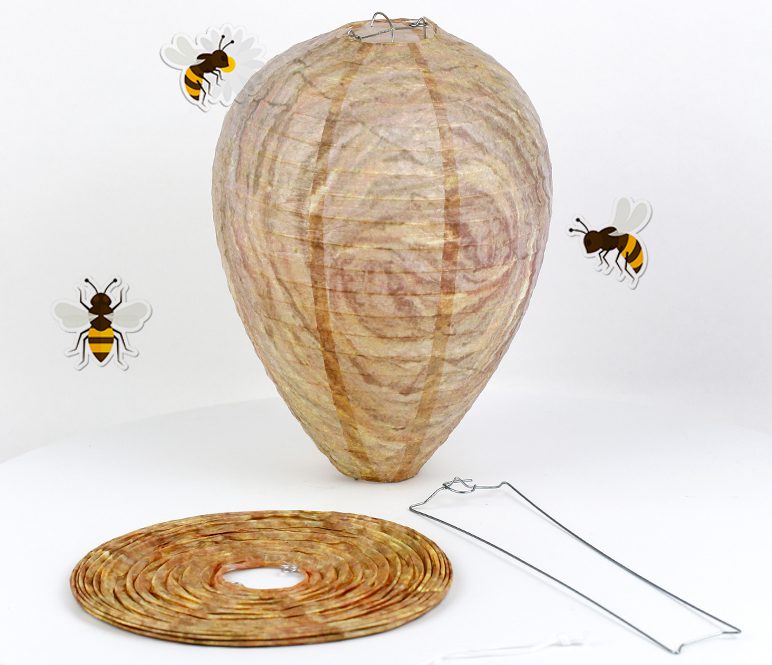
A Wasp Proof Nest is a simulated, artificial decoy structure engineered to exploit the innate territorial behavior of stinging insects by deterring new nest construction within a defended radius. Wasps are intensely territorial creatures. When scouting queens or worker hornets spot an established colony silhouette, they avoid building nearby to prevent fatal territorial battles.
That basic biological quirk changes everything for facility managers. For decades, outdoor sites relied on aerosol knockdowns or toxic organophosphate residual sprays. You sprayed the eaves, waited for the drift to clear, and hoped customer complaints dropped. Times have changed. Facilities across the United Kingdom now face severe restrictions on chemical dispersal around food storage, dining verandas, and logistics hubs.
Facility auditors don’t want toxic residues near customer tables or open packaging bays. They want clean, preventative mechanical solutions. That is where physical non-toxic wasp control takes over. When you install an artificial wasp deterrent fake nest in early spring before queens establish structural colonies, you stop the problem before the stinging season peaks. We’ve spent 18+ years manufacturing pest hardware at Haierc PCO, and this sector’s growth is unmistakable.
Market Overview and Commercial Pressures in the UK
The United Kingdom commercial pest control sector is confronting tighter operational margins alongside stricter environmental oversight. Reports from the British Pest Control Association (industry guidance) confirm that public-facing commercial sectors are aggressively pulling back on pyrethroid dusting and exterior barrier sprays. The general public simply won’t tolerate toxic mist drifting across outdoor dining spaces.
Data across Europe reflects this major shift toward physical and biological IPM interventions. Within that envelope, the physical-attraction fly trap sector accounted for a 46% share in 2025. That dominance proves buyers want physical containment rather than broad-spectrum poisons. The sticky fly trap category held a 40% share in 2025 precisely because it provides organic, residue-free monitoring. It violates modern audit standards. Between customer safety and retail compliance, non-toxic wasp control has transitioned from a niche domestic trend into an essential commercial requirement.
Product Deep Dive: Engineering a Functional Wasp Proof Nest
A fake nest cannot just be a cheap paper lantern that falls apart during a standard British drizzle. Professional operators need durable hardware that withstands prolonged UV exposure, driving rain, and wind shear.
The typical wasp deterrent fake nest functions on optical mimicry. Paper wasps (Polistes) and yellowjackets (Vespula vulgaris) recognize the distinctive hexagonal profile and swollen teardrop shape of rival colonies.this zone is occupied.
Our engineering team designs these units using water-resistant, coated woven fabrics and high-tensile steel internal spring wire. Standard cheap imports split at the seams after three weeks of damp weather. We construct decoys with heavy-gauge polyester blends and reinforced hanging loops to guarantee multi-season deployment.
+————————————————————————-+
| MULTI-TIERED DEFENSIVE PERIMETER |
| |
| [ Eaves & Canopies ] –> Wasp Proof Nest (Visual Territorial Deterrent)
| | |
| [ Perimeter Fence ] –> Wasp Trap Outdoor (Physical Lure/Catch) |
| | |
| [ Waste Staging ] –> Fly Sticky Trap & Mosquito Killer Device|
+————————————————————————-+
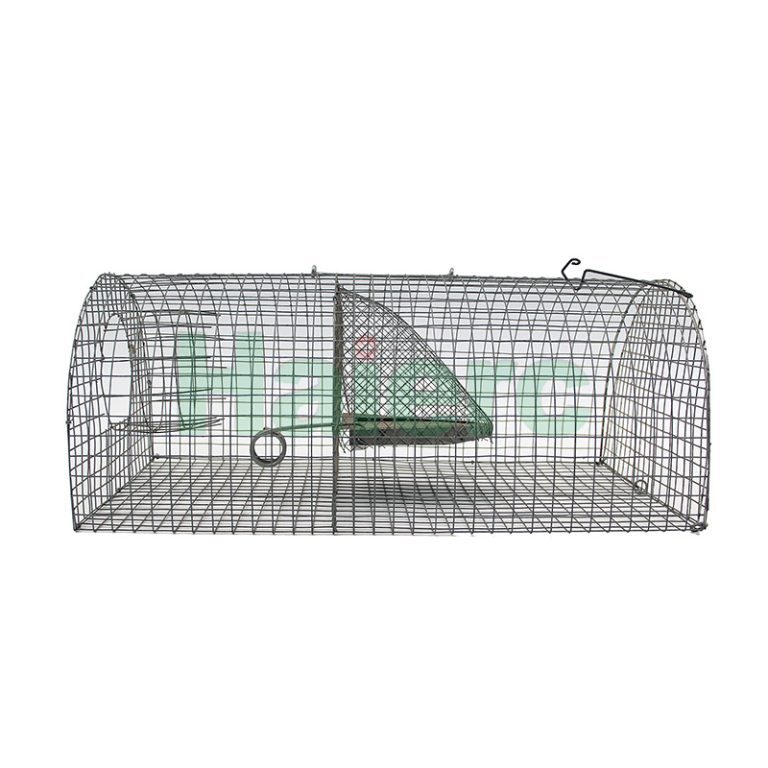
Physical deterrence works best as part of an integrated barrier system. Field reports featured in PCT Online (Pest Control Technology) demonstrate that physical decoys reduce scouting attempts by up to 70% when installed before queen emergence. For active foragers already established on adjoining properties, contractors pair the decoy with a mechanical wasp trap outdoor perimeter line. Decoys push scouts away from building entrances, while baited liquid or funnel traps collect unavoidable stray worker wasps near perimeter waste bins.
Haierc Commercial Wasp Decoy Hardware vs Industry Standard
| Specification | Haierc Commercial Wasp Decoy | Alternative Option Retail Decoy |
|---|---|---|
| Structural Shell Material | Weatherproof 420D coated ripstop nylon | Uncoated paper or lightweight 190T polyester |
| Internal Support Frame | High-tensile steel wire with anti-rust dip | Thin unplated carbon wire or flimsy bamboo |
| UV Resistance Rating | UV50+ stabilized, resists color fading for 24 months | Non-stabilized, degrades within 60 days of sun |
| coverage options | 6-meter and 10-meter visual deterrence zones | Unspecified single nominal radius |
| Moisture / Water Handling | Hydrophobic coating with water drainage eyelet | Water absorbent; collapses when soaked |
| Packaging Configurations | Bulk flat-pack, 2-pack retail, custom OEM printed box | Single polybag without branded inserts |
The comparison highlights why commercial contractors avoid retail-grade paper models. Water weight turns paper decoys into soggy pulp after a typical Manchester rainstorm. Our hardware stays rigid, retaining its predatory silhouette right through autumn.
Key Benefits for United Kingdom Distributors and Service Companies
Wholesale distributors across the UK must satisfy strict business-to-business purchasing specifications. With supermarkets, pubs, and school estates enforcing strict pesticide reduction targets, your catalog needs practical physical hardware.
Chemical-free pest control is no longer an idealistic marketing slogan. It is a baseline operational requirement for third-party food-safety buyer audits food packing sites and pharmaceutical storage. A hanging wasp deterrent provides distributors with an easy add-on SKU that delivers exceptional gross margins. These items require minimal warehouse shelf space because they ship flat-packed.
-
- Technicians securing roof parapets with Bird Spikes, Pigeon Control systems, or a wire Pigeon Trap can secure eaves using wasp decoys during the same site visit.
- Commercial accounts purchasing a tamper-resistant Rat Bait Station line or a Galvanized Sheet Multi Catch Rat Trap often manage perimeter refuse areas plagued by stinging insects.
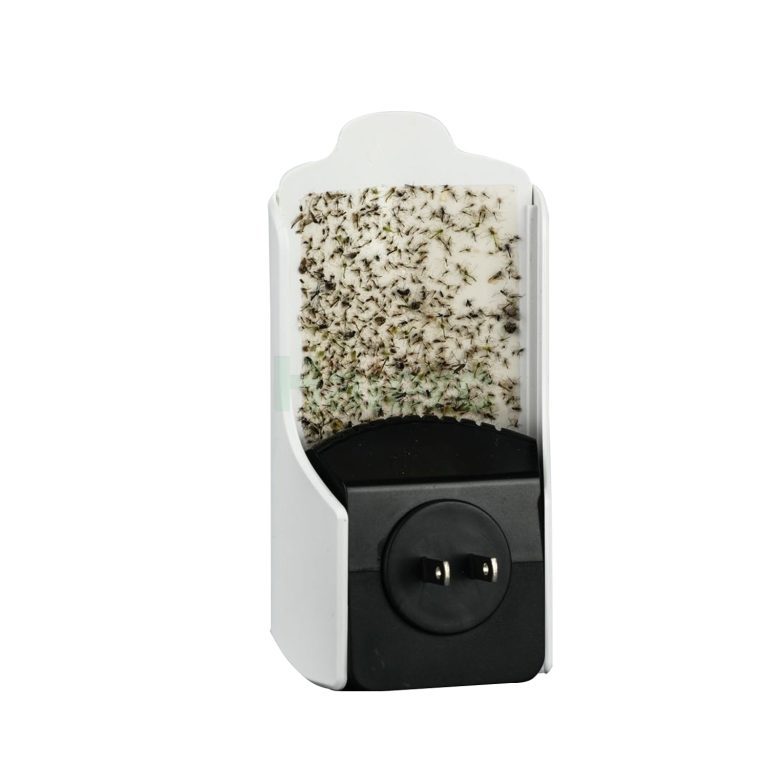
- Facilities buying a commercial Mosquito killer device, an ultrasonic bird repeller importer selection, or a Fly Sticky Trap run high-traffic operations where wasp decoys instantly add value.
- Clients ordering bird net for garden boundaries or Wild Animal Spikes require perimeter wasp deterrents for retail plant nurseries.
UK distributors who package complete chemical-free hardware kits win high-value facilities maintenance contracts. You aren’t just selling a single trap; you’re selling a complete physical compliance matrix.
Technical Specifications and Deployment Guidelines
Proper deployment determines whether physical deterrence succeeds or fails. Stinging insects aren’t fooled if a technician places a decoy in direct brush contact or inside deep shadows where silhouettes disappear.
[ Commercial Roof / Dock Awning ]
|
[ Reinforced Loop ]
|
+———————–+
/ Wasp Proof Nest \ <— Hang 2-3 meters above ground level
/ Teardrop Silhouette \
| Hexagonal Pattern | <— 360-degree visual sightlines
\ /
\ Drainage Eyelet / <— Evacuates condensation/rainwater
+———————–+
<…… 6-10m Defended Radius ……>
Field technicians should hang the decoy 2 to 3 meters above ground level beneath roof overhangs, verandas, dock canopies, or outdoor eating shelters. Decoys must be positioned before ambient spring temperatures consistently cross 12°C. Why so early? Once a queen wasp constructs an embryo nest and deposits her initial brood, territorial abandonment drops significantly. Decoys work to prevent initial colony establishment, not evict mature 5,000-wasp active nests.
Our factory produces multiple sizes to provide the right coverage options. A 200mm diameter unit creates a nominal 6-meter visual deterrence perimeter for tight domestic balconies or cafe street decks. For commercial loading docks, open-air agricultural sheds, and warehouse eaves, we supply our 300mm industrial version, which commands up to a 10-meter deterrence zone.
All fabrics are tested against REACH chemical compliance standards. Every grommet and hanging tether is assembled with corrosion-resistant metals to prevent rust staining on client brickwork.
Commercial Opportunities and OEM/ODM Services
Haierc PCO provides end-to-end manufacturing flexibility for distributors, trading firms, and global brands. We don’t believe in rigid catalog constraints. If your commercial customer base demands custom dimensions, bespoke color shades, or private-label packaging, our Tianjin production line handles it smoothly.
+————————————————————————–+
| HAIERC PCO: OEM/ODM PRODUCTION PIPELINE |
| |
| [ Specification ] –> Custom sizing, UV coatings, or branded hangtags |
| [ Prototyping ] –> Precision tooling & sample sign-off (3-5 days) |
| [ Batch Run ] –> Automated fabric cut & frame assembly (ISO9001) |
| [ Packaging ] –> Barcoded retail sleeves, multipacks, or bulk |
| [ Logistics ] –> 15-25 day production lead time to UK ports |
+————————————————————————–+
We support specialized OEM requests for distributors across global markets. Whether you need multilingual hangtags for European distribution or custom retail carton designs for trade counters, our art and engineering teams coordinate every revision.
Our standard MOQ starts at just 500 units for standard production runs. That low threshold allows regional pest supply companies to test market demand without tying up excessive capital. For fully customized private-label packaging and custom fabric dyes, MOQs scale to 2,000 units. Tooling, digital sample approvals, and pre-shipment inspections are managed systematically under our ISO-certified quality protocols.
Do you serve international accounts? We ship mixed containers containing wasp decoys alongside bird spikes stainless steel suppliers hardware, bait boxes, and glue boards directly to your chosen hub.
Why Choose Haierc PCO as Your Pest Hardware Manufacturer
Haierc PCO has operated as a dedicated pest management hardware factory for 18+ years. Based out of our advanced manufacturing plant in Tianjin, China, we produce high-durability pest hardware shipped directly to markets worldwide. We aren’t a trading broker marking up third-party items; we run the stamping presses, sonic welding lines, and assembly tables ourselves.
Our operational facilities hold ISO9001, BSCI, and SEDEX management certifications. Every product batch leaving our loading dock complies fully with CE, RoHS, and REACH guidelines. When you supply high-audited food handling facilities, using non-compliant raw plastics or toxic flame retardants invites audit disaster. We use high-grade 304 SS, 316 Marine Grade stainless, UV-Polycarbonate, and certified non-toxic coatings across our complete catalog.
Standard production lead times run between 15 to 25 days. Need emergency mid-season replenishment when hot summer weather causes an unexpected surge in wasp calls? Rush manufacturing services are available for our long-term distributor partners. Qualified distributors can request free product sample kits to inspect material weight, spring tension, and weather coatings before signing commercial volume contracts.
Frequently Asked Questions
Q: How does a wasp proof nest prevent active stinging insect nesting on commercial sites?
A: A wasp proof nest acts as a physical decoy exploiting territorial instincts. Most common wasp species, including paper wasps and yellowjackets, will not build a new nest within visual proximity of another established nest. Placing the decoy in early spring deters fertile queens from setting up colonies around commercial roofs, dining patios, and loading bays without using hazardous sprays.
Q: What is the recommended installation timeframe for non-toxic wasp control decoys?
A: Installation must occur early in the season, typically late March through early May in temperate climates like the United Kingdom. Decoys deter scouting queens looking for new territory. If worker wasps have already completed a paper nest on site, physical decoys will not drive them out; established nests must be removed first before deploying decoys.