What Makes a Wildlife Cage Suitable for Livestock Facilities?
Introduction — Scenario Pain Point
Predators break biosecurity. When a rogue raccoon enters an Ontario poultry barn or a skunk burrows under an Alberta calf hutch, livestock health drops immediately. Pathogens like Avian Influenza, Salmonella, and Rabies travel on foot.
What makes a wildlife cage suitable for livestock facilities? It comes down to raw structural gauge, corrosion resistance against animal waste, fail-safe trigger mechanisms, and animal safety. Standard retail traps fold under pressure. A 20-pound raccoon trapped inside a flimsy hardware-store cage will chew through thin wire, bend the trip plate, and tear up its own mouth, leaving blood and biohazards across your barn floor.
Livestock operations cannot afford equipment failures. Farm managers deal with corrosive ammonia, freezing Canadian winter temperatures, and curious cattle that step on traps. Hardware must survive these heavy impacts daily. You need commercial physical exclusion and trapping gear that meets strict biosecurity protocols, protects non-target animals, and holds up against aggressive wildlife season after season.
+———————————————————————————–+
| LIVESTOCK BIOSECURITY PERIMETER |
| |
| [ Outer Pasture / Feedlot ] |
| | |
| v |
| [ Zone 1: External Fence Line ] ———> High-tensile Steel Wildlife Cages |
| (HC2620 / HC1663 Traps) |
| | |
| v |
| [ Zone 2: Feed Storage & Silo ] ———> Bait Stations & Rat Snap Traps |
| (Refillable Bait Stations) |
| | |
| v |
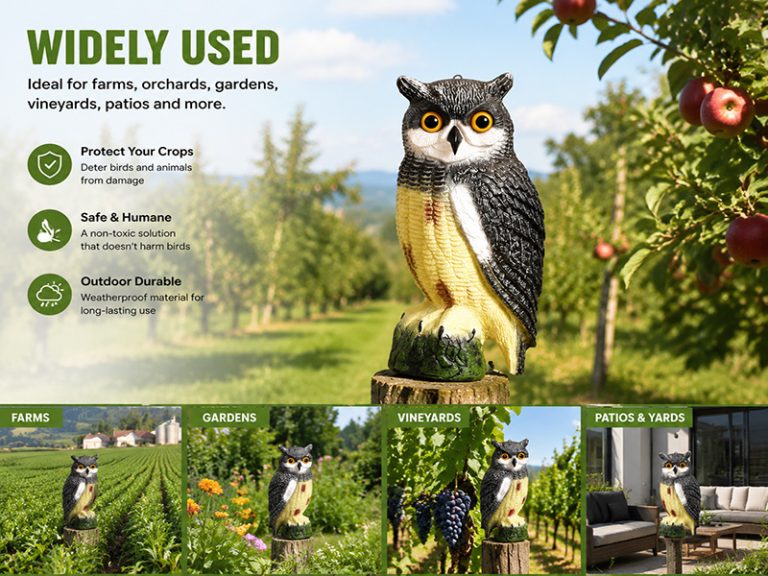
| [ Zone 3: Barn Eaves & Rafters ] ——–> Anti Bird Net & Pigeon Defender |
| Spikes (304 SS / UV-Polycarbonate) |
| | |
| v |
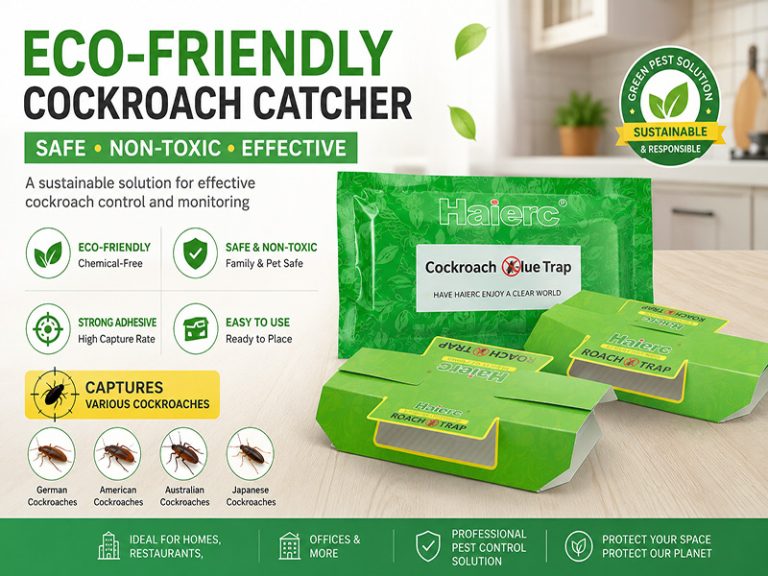
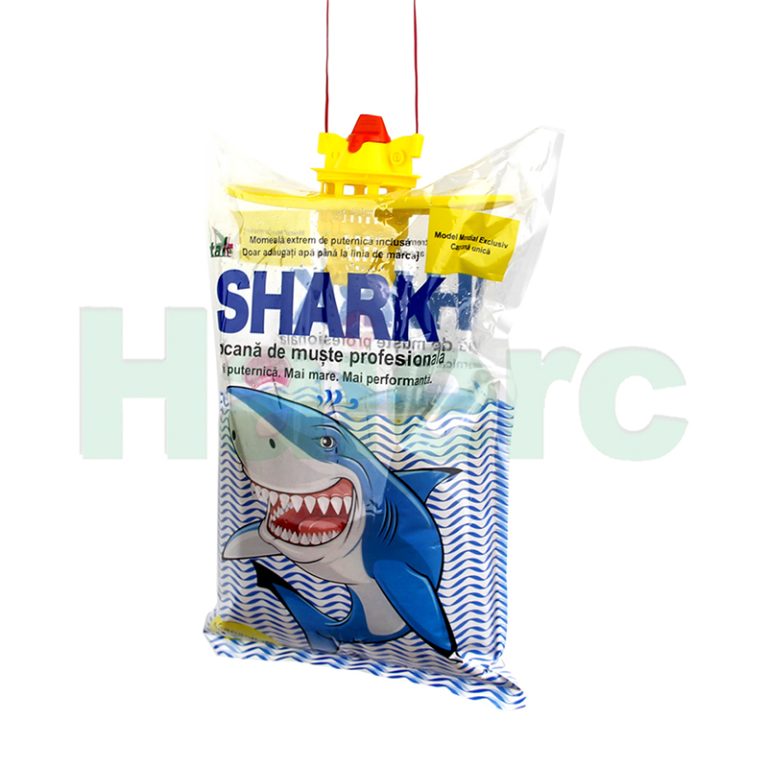
| [ Zone 4: Animal Housing Floor ] ——–> Non-Toxic Cockroach Traps & |
| Fly Sticky Traps |
+———————————————————————————–+
Root Cause: Why Wildlife Infiltration Escalates in Livestock Facilities
Livestock facilities are open-buffet ecosystems. High-protein feed rations, heated waterers, calf milk replacers, and warm bedding create an ideal habitat for wild vectors. When outside temperatures plunge to -25°C across the Canadian Prairies, wildlife moves straight toward the thermal plume escaping your barn ventilation fans.
The biological risks are catastrophic. According to data tracked by NPMA/PestWorld and national agriculture boards, small mammals are primary vectors for cross-species contamination. Skunks transmit rabies and leptospirosis. Raccoons carry Baylisascaris procyonis roundworms, shedding millions of resilient eggs into feed bunks. Feral cats harbor Toxoplasma gondii, a leading cause of spontaneous abortions in sheep and goat herds.
Under the Canadian Food Inspection Agency (CFIA) animal health guidelines and HACCP food safety protocols, pest intrusion compromises farm certification. One positive trace of pest contamination in bulk milk or processed poultry tanks stops production dead. The economic loss from dumped milk or quarantined flocks dwarfs the cost of proper containment hardware.
The industry is shifting rapidly away from loose chemical rodenticides and toxic baits outdoors. Secondary poisoning risks to working livestock dogs, barn owls, and the herd itself are simply too high. Operators now rely on durable, non-toxic physical barriers, heavy live traps, and mechanical exclusion systems to establish defensible perimeter zones.
Step-by-Step IPM Exclusion and Trapping Protocol
Field-proven integrated pest management (IPM) demands a systematic approach. Don’t simply toss a trap in the middle of an aisle. That rarely works, and cattle will likely crush the frame.
Step 1: Perimeter Risk Assessment and Entry Point Mapping
Inspect the structural baseline. Walk the foundation of the animal housing units, silage pits, and feed mills. Wildlife follows fence lines, drainage ditches, and overgrown brush lines.
-
- Look for ground burrows along concrete footings.
- Inspect ventilation louvers, curtain openings, and broken siding.
- Check eave gaps where raccoons climb structural posts. Install Anti Bird Net and Pigeon Defender Spikes along rooflines to cut off climbing routes and roosting perches.
Step 2: Trap Selection and Strategic Anchor Placement
Deploy heavy-duty cages along confirmed travel paths, never out in open pastures where animals feel exposed.
-
- Position traps parallel to external barn walls, manure pits, and silage covers.
- Anchor the trap chassis firmly to the ground using ground stakes or heavy rebar pins. An unsecured cage rolls over when an animal thrashes inside, tripping the door prematurely or allowing an escape.
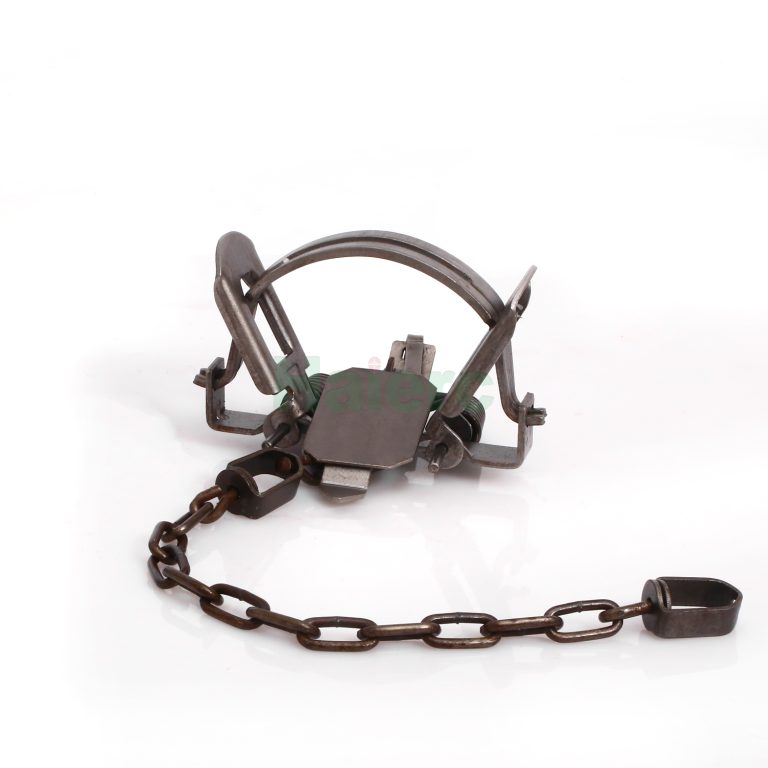
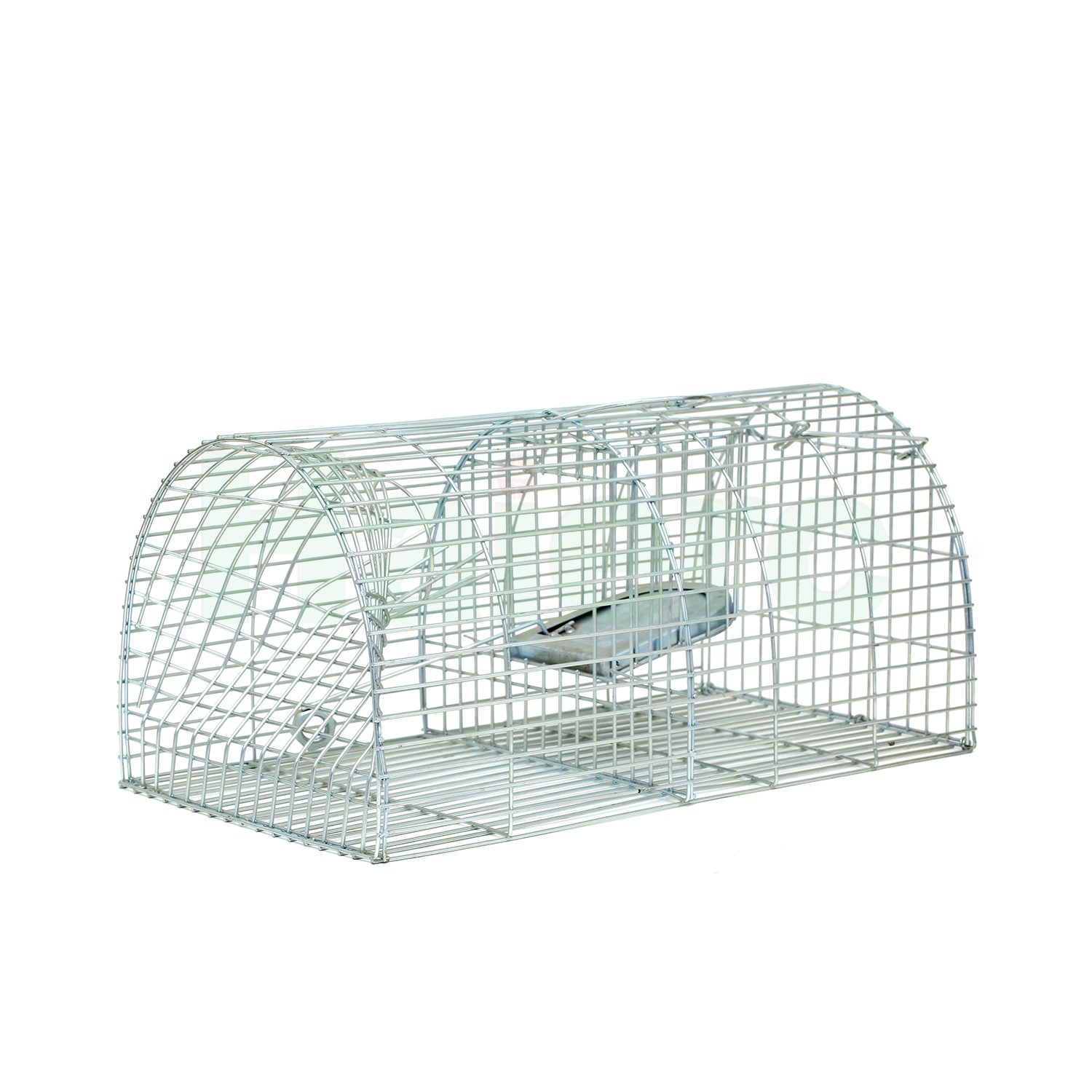
- For heavy carnivores or large rodents, position specialized hardware like the HC2620 professional live cage trap. For tight perimeter runs near feed bins, use folding live catch traps like the HC1663.
Wildlife Approach Pathway
▼
▼
Step 3: Targeted Non-Target Safe Baiting
Use species-specific baits to avoid luring herd animals or farm pets.
-
- For raccoons: Sweet corn, marshmallows, or fish oil paste placed strictly behind the trip pan.
- For skunks: Canned sardines or peanut butter placed on cardboard inside the rear mesh.
- For small rodents around grain hoppers: Combine your live traps with a heavy-duty Rat Snap Trap or a Refillable bait Station with Clear Lid along internal walls.
Ensure bait never drips through the wire mesh onto bare dirt where it might attract non-target livestock or contaminate bedding.
Step 4: Daily Inspection, Animal Handling, and Sanitation
Canadian provincial wildlife regulations mandate daily trap checks. Leaving an animal confined in extreme weather violates humane trapping standards.
-
- Check cages at dawn and dusk.
- Approach trapped wildlife calmly with a canvas tarp draped over your arms to keep the animal quiet and prevent spraying if dealing with skunks.
- Relocate or humanely euthanize according to your regional Ministry of Natural Resources guidelines.
- Pressure wash and disinfect the entire cage assembly using an ISO-approved veterinary disinfectant before resetting. Clean traps eliminate alarm pheromones that deter other animals.
Engineering Standards: What Makes a Wildlife Cage Suitable for Livestock Facilities?
A domestic cage trap built for suburban backyards fails on a commercial farm. Livestock environments subject hardware to corrosive manure acids, ammonia vapors, tractor bumps, and aggressive feral animals.
High-tensile Steel wire with hot-dipped galvanization or heavy powder coating is mandatory. Uncoated wire rusts within months inside a hog or dairy facility. Mesh apertures must be sized correctly. A 1-inch by 1-inch mesh or 1-inch by 0.5-inch pattern around the bait zone prevents animals from reaching through the sides to steal bait without stepping on the treadle plate.
Front Entry Gate Reinforced Heavy-Gauge Frame
▲ ▲
Gravity-Lock Drop Bar Protected Trip Pan Mechanism
The trigger mechanism must balance sensitivity with resistance to false triggers from vibration. Wind, barn fan vibration, and heavy footsteps from cattle can trip a poor-quality trap. Precision-machined trip rods and gravity-lock doors ensure that once the target steps on the pan, the drop bar locks instantly.
Haierc Heavy-Duty Livestock Wildlife Cage Specifications vs Industry Standard
| Engineering Specification | Haierc Livestock Standard (e.g., HC2620 / HC1663) | General Alternative Option |
|---|---|---|
| Wire Frame Material | High-tensile Steel wire (up to 3.0mm–4.0mm diameter) | Low-carbon mild steel wire (1.8mm–2.2mm) |
| Corrosion Protection | Hot-dipped galvanization & heavy zinc plating (ISO9001 certified) | Basic electro-galvanized or thin spray paint |
| Door Locking Mechanism | Reinforced spring-loaded gravity drop bar with dual anti-escape locks | Single gravity flap without secondary catch |
| Plate & Trigger Build | Heavy-gauge stamped aluminum or steel with rolled safety edges | Thin stamped tin plate prone to bending |
| Handle Protection | Solid steel plate hand guard shielding operator from bites/scratches | Exposed wire loop with no strike protection |
| Weather Rating | Rated down to -40°C sub-zero conditions without embrittlement | Prone to weld failure and spring fatigue in severe cold |
Complementing your ground cages with facility-wide exclusion creates an impenetrable barrier. Birds nesting in dairy trusses drop contaminated feces into open feed bunks. Operators install Bird Spikes, Stainless Bird Spikes with Plastic Base, or UV-Polycarbonate deterrents directly on rafter peaks.
Market data underscores this shift. Commercial segments expand rapidly as facility managers move toward permanent hardware over recurring chemical applications. Need multi-pest defense? We supply options with variable coverage options to suit any footprint.
Mistakes to Avoid & Pro Tips for Farm Operators
Commercial farm managers often make preventable mistakes when setting up wildlife hardware.
-
- Skunks and raccoons chew through thin 20-gauge hobbyist cages. Invest in heavy welded wire structures.
- Never place sensitive traps where barn cats, herd dogs, or sheep can step into the trigger pan. Position hardware inside culverts, behind pallets, or within dedicated bait stations.
- third-party food-safety buyer audits, IFS, and food-facility buyer requirements 2026 rules mandate digital or physical pest logging. Record every capture, inspection date, trap location, and sanitize cycle.
- Even the best cage trap fails if deadstock or spilled grain is left nearby. Clean feed spills immediately to force pests toward your baited hardware.
- Seal peripheral gaps. Use Stainless Bird Spikes with Plastic Base along resting beams and keep Multi-catch Traps clear of barn dust.
❌ INCORRECT DEPLOYMENT ✔ PROPER LIVESTOCK DEPLOYMENT
Frequently Asked Questions
Q: What wire gauge is required for commercial livestock live traps?
A: Professional livestock facilities should use live traps constructed from 12-gauge to 14-gauge high-tensile steel wire (2.0mm to 3.0mm diameter). Lighter 18-to-20-gauge domestic traps are easily bent or broken by large raccoons, badgers, and groundhogs. Haierc heavy-duty live traps such as the HC2620 use reinforced steel frames designed specifically to resist animal biting, rolling, and structural deformation in commercial agricultural environments.
Q: How do live cage traps align with Canadian biosecurity audits?
A: Live cage traps provide non-chemical, documented pest removal that complies with CFIA, HACCP, and third-party food-safety buyer audits food safety standards. Because live traps eliminate the risk of secondary chemical poisoning in livestock or feed supplies, they serve as approved critical control measures when mapped, checked daily, and logged in pest management audit records.
Q: Can livestock cages remain outside during sub-zero Canadian winters?
A: Yes, provided they feature hot-dipped galvanized or heavy powder-coated steel finishes. Sub-zero temperatures make cheap plastic components and low-grade electroplated wire brittle, leading to weld failure. Haierc wildlife cages are engineered with cold-tested steel springs and galvanized coatings rated to perform reliably down to -40°C without mechanical seizure.
Q: What is the best cage design for trapping aggressive raccoons around feed bunks?
A: The ideal design features a spring-loaded, gravity-locking door, an internal bite plate guard around the handle, and rolled sheet metal edges to protect animal welfare. Traps like the Haierc HC2620 feature tight mesh spacing near the rear trigger plate, which prevents animals from stealing bait from the outside while ensuring positive locking once tripped.
Q: How often should wildlife cages be sanitized in agricultural environments?
A: Clean and sanitize traps after every capture or at least once every two weeks if left unset. Ammonia, animal waste, and biological secretions carry pathogens and alarm pheromones that deter other target animals. Pressure washing with an ISO-approved, fragrance-free agricultural disinfectant maintains compliance and keeps trap catch rates high.
Conclusion & Soft CTA
Protecting livestock operations from destructive wildlife vectors requires rugged, engineered exclusion hardware that withstands the elements and meets stringent regulatory audits. Flimsy consumer traps cost more in lost livestock biosecurity than they save in purchase price. Combining durable wildlife cages like the HC2620 and HC1663 with perimeter defenses like Anti Bird Net and bait stations creates a dependable, audit-ready barrier.
Haierc PCO designs