Spring Trap for Gopher: Complete Buyer’s Guide for Professional Pest Control Operators in US and Australia
Why Mechanical Spring Traps Outperform Chemical Baits in Gopher Management
Gopher tunnels wreck high-value turf and agricultural fields fast. For a Professional Pest Control Operator (PCO), time is money. Chemical baits take days to act, leaving crops vulnerable in the meantime. A mechanical spring trap gives immediate visual confirmation. You check the line; if it’s tripped, the target is gone. This guide breaks down trap selection for wholesale buyers and PCOs gearing up for the season.
Mechanical trapping is the backbone of integrated pest management (IPM) because it cuts out secondary poisoning risks—a massive liability when working near residential pets or protected wildlife. Trading rodenticides for mechanical traps gives technicians a straightforward success metric to show clients.
Spring Trap Mechanisms: Scissor vs Pincer vs Box Traps
Professional gopher control relies on three primary trap mechanics. The right choice comes down to soil composition and tunnel depth.
- Often known as the Cinch style, technicians push these directly into lateral tunnels. The trigger plate blocks the path. When the gopher pushes dirt forward to plug the draft, the jaws snap. They excel in deep tunnel systems.
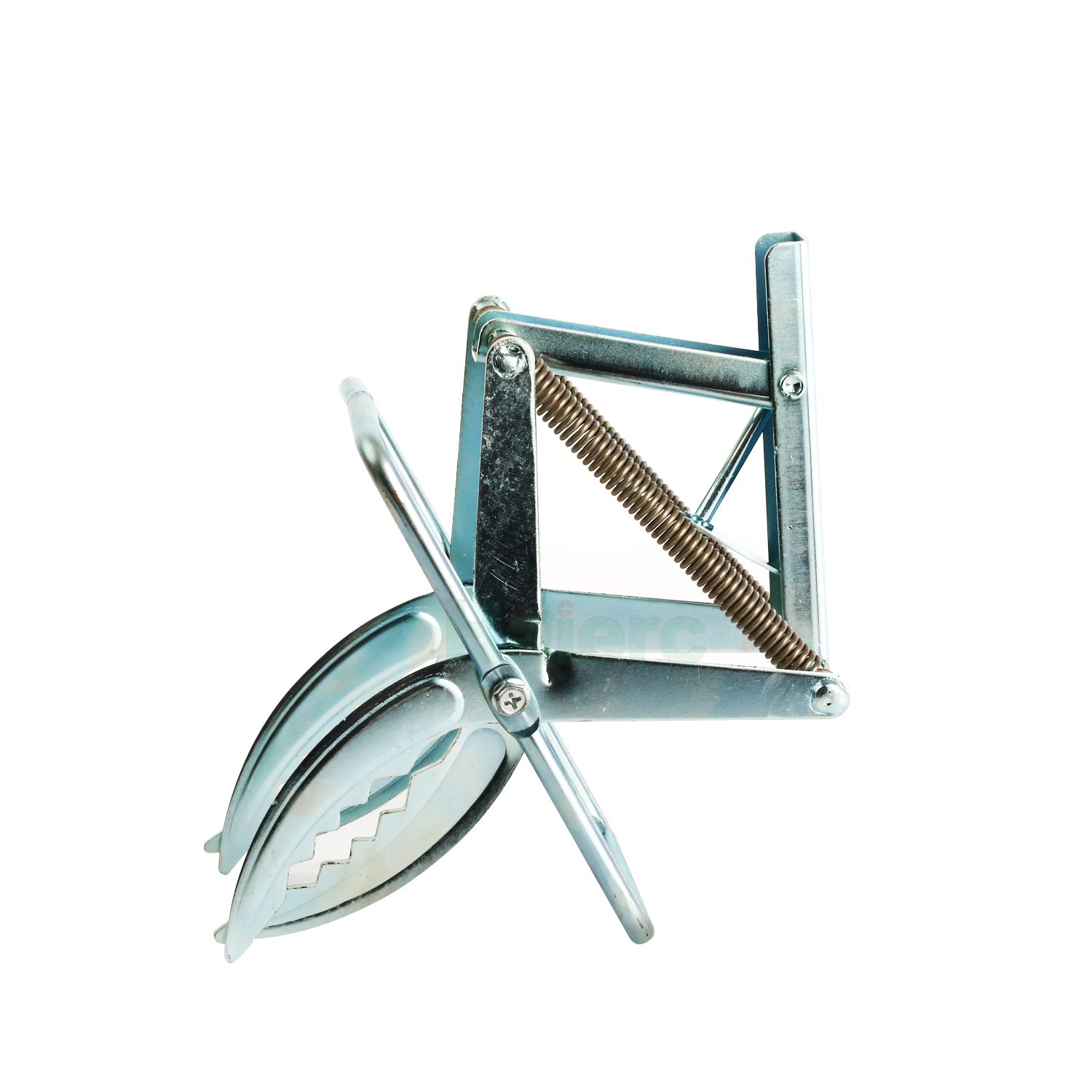
- The Macabee style is a standard mole and vole trap design. They have a slim profile for narrow tunnels and operate via dual wire pincers. These are highly cost-effective for ag fields, where one technician might drop 50 to 100 traps before lunch.
- Better for shallow surface runs. The animal enters a wood or plastic housing before hitting a wire choker. They work well but take up too much shelf space in a standard service truck compared to wire pincers.
US Market Deep Dive: Western States and Agricultural Needs
Gophers hit the US West Coast hard. California, Oregon, and Washington see heavy agricultural losses, especially in vineyards and alfalfa fields where mounds break expensive harvesting equipment. PCOs out west need hardware built for heavy, clay-rich soil. Because gopher jobs often blur into ground squirrel or mole calls, versatile equipment is mandatory.
State trapping laws dictate operations. California, for example, often mandates 24-hour trap checks. Easy-to-set models cut down the minutes spent at each burrow, allowing a single operator to cover more acreage daily. The push away from chemical solutions in these states is driving high-volume mechanical trap orders.
Australia Market Overview: Professionalizing Burrowing Pest Control
While the pocket gopher is a North American problem, Australian pest control companies are adapting similar mechanical traps for local burrowing pests and international export contracts. The AU market places a heavy premium on poison-free pest management, especially in sensitive ecological corridors.
Australian facility managers also demand physical exclusion. PCOs frequently pair traps with rodent copper mesh to block utility conduits and foundation gaps. If the action is too stiff, the animal simply pushes dirt over the mechanism, leaving the technician with a backfilled, un-sprung trap. Buyers need hardware that supports a hair-trigger calibration, where even a slight soil push fires the spring.
Setup speed matters just as much. Field techs might set hundreds of these a week. If a trap requires heavy force or specialized tools, hand fatigue sets in quickly. The most practical models can be engaged single-handed or with a basic setting tool, keeping the operator’s other hand free to clear loose dirt.Standard maintenance routine: operators should power-wash traps weekly and lubricate the hinge joints with a dry graphite spray to prevent soil buildup.
Galvanized vs Stainless Steel: Corrosion Resistance for Underground Use
Raw carbon steel will not survive long underground. Moisture and soil acidity eat through cheap metal, stiffening triggers and weakening spring tension. For standard commercial work, galvanized steel hits the right balance between rust resistance and unit cost.
For highly acidic soils, stainless steel is the professional upgrade. The upfront cost is higher, but the hardware lasts three times longer. Regardless of the coating, the coil springs must be high-tensile steel to retain their snapping force after a hundred cycles.
Bulk Purchasing Guide: MOQ, Pricing Tiers, and Packaging
When sourcing gopher traps wholesale, distributors need to align their buying cycles with the seasons.
| Factor | Industry Standard |
|---|---|
| MOQ | Typically 500 to 1,000 units per style to hit competitive factory pricing. |
| Packaging | Retail buyers need individual color boxes. PCO-direct suppliers prefer bulk master cartons of 100 units to save on freight and warehouse handling. |
| Lead Time | Standard ocean freight requires 35-45 days. Place US spring season orders by late Q4 to guarantee inventory before the ground thaws. |
Market Outlook for Mechanical Traps
The shift toward physical pest control is permanent. As commercial agriculture and residential property managers phase out anticoagulants and strychnine, mechanical trapping is taking their place. Distributors stocking reliable, easy-to-set spring traps are well-positioned to capture the growing demand from professional pest operators.