Which Rodent Bait Station Features Matter in Food Plants?
Introduction — Scenario Pain Point
Audit day is tomorrow. Your quality assurance team just discovered rodent gnaw marks near the secondary packaging line. A failed IFS or third-party food-safety buyer audits audit will halt production schedules, trigger expensive supplier reviews, and put your brand reputation at immediate risk. Food processing facilities across the European Union face strict zero-tolerance thresholds for pest activity, yet many plants still rely on flimsy, residential-grade plastic boxes that crack during routine washdowns.
Pest managers often ask: which rodent bait station features matter in food plants? The short answer comes down to tamper resistance, interior versatility, environmental durability, and compliance with non-toxic monitoring mandates.
Rats and mice don’t respect plant sanitation boundaries. When flour dust accumulates or external temperatures drop across northern Europe in October, rodents push hard against exterior loading docks and foundation vents. If your bait boxes fail to secure their internal contents, or if moisture turns monitoring blocks into moldy sludge, your perimeter defenses collapse. Facilities need industrial-grade hardware designed specifically for high-moisture, high-traffic commercial environments.
TYPICAL FOOD PLANT 3-RING IPM DEFENSE PERIMETER
[ RING 1: Property Boundary ] ────> Tamper-Proof Rodenticide Stations (HC2221)
[ RING 2: Building Exterior ] ────> Non-Toxic Monitoring Blocks / Anchored Boxes
[ RING 3: Production Interior ] ──> Mechanical Snap Traps & Glue Boards ONLY
Root Cause: Why Food Plants Fail Rodent Audits
Food manufacturing plants generate unique microclimates that attract rodents naturally. Constant heat from industrial ovens, warm refrigeration motor mounts, abundant water from clean-in-place (CIP) washdowns, and continuous grain or sugar aromas create an ideal habitat. According to CEPA guidelines, structural ingress points as small as 6 millimeters allow house mice easy entry into raw material storage zones.
The root cause of hardware failure in these environments rarely stems from rodent behavior alone. It stems from poor hardware specification. Standard plastic stations warp when subjected to daily caustic chemical washdowns or accidental impacts from forklift pallets. When a station lid pops open under mechanical stress, internal non-toxic monitoring blocks spill onto the facility floor. That creates an instant critical audit non-conformity under third-party food-safety buyer audits Version 9 standards.
In the European Union, strict restrictions on permanent rodenticide baiting require facilities to use non-toxic monitoring blocks or mechanical snap traps indoors. Placing loose snap traps along baseboards without secured enclosures violates basic worker safety and cross-contamination protocols. If a technician uses residential-grade gear, sanitation crews will crush the hardware, or cleaning water will flood the internal bait compartment.
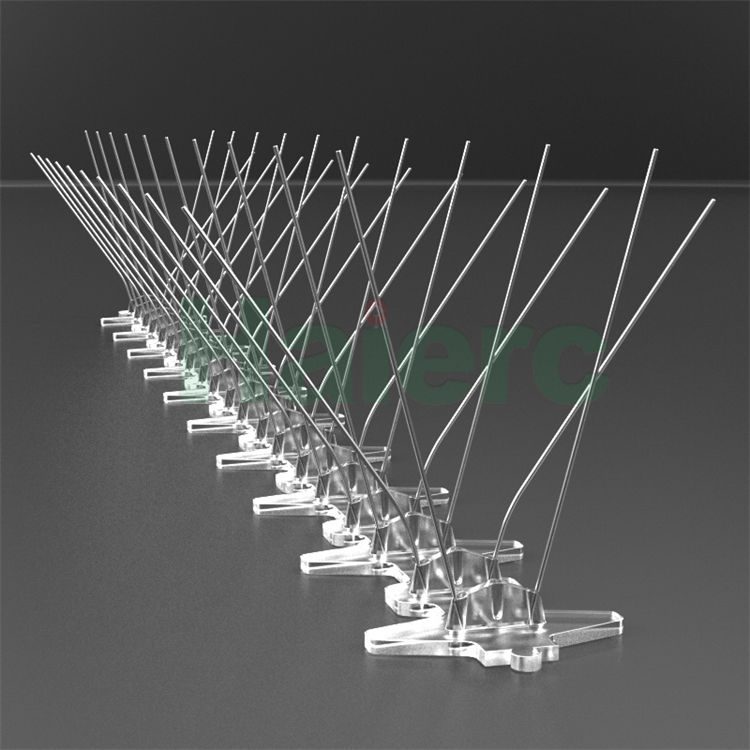
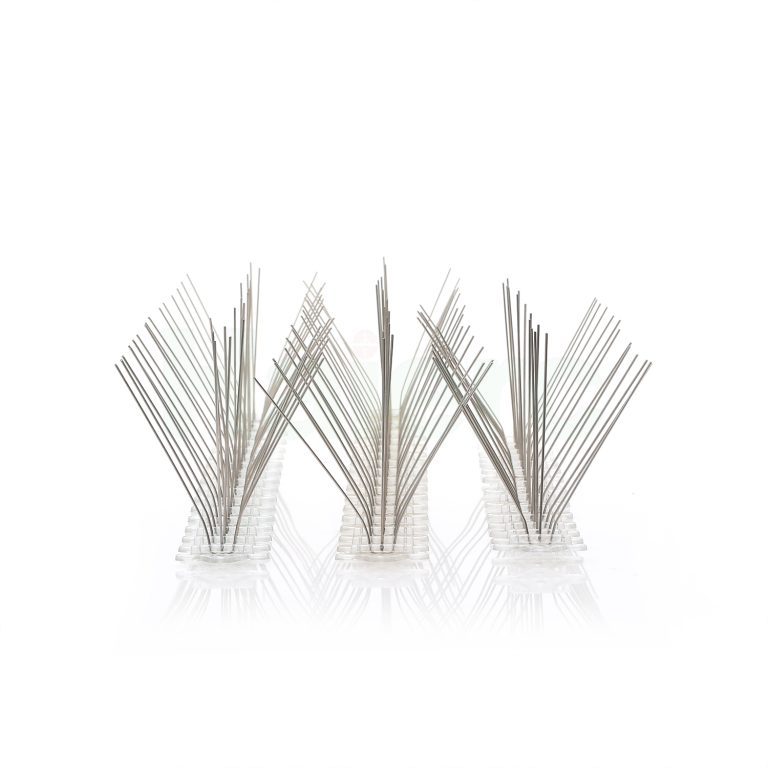
PCO technicians also report that external birds and rodents often exploit the same facility loading bays. Pest birds nesting above dock doors drop feces directly onto staging areas. Facilities dealing with multi-pest pressures often combine rodent perimeters with humane bird spikes, Bird Proof Netting, and heavy-duty Catching Bird Net systems to protect high-clearance overhead canopies. Every vulnerability in the building envelope multiplies the pressure on your ground-level bait stations.
Step-by-Step IPM Implementation in Food Plants
Solving commercial rodent pressure requires an integrated approach that pairs structural exclusion with industrial hardware deployment. Field data published by industry guidance and NPMA confirms that exterior perimeter rings protect interior clean rooms far better than reactive indoor trapping alone.
EXTERIOR RING BUILDING ENVELOPE CLEAN PRODUCTION
[Property Fence] [Perimeter Baseboard] [Packaging & Lines]
├─ 15m–30m Spacing ├─ 10m–15m Spacing ├─ Mechanical only
├─ Anchored Stations ├─ Baffled Entryways ├─ Tamper-proof locks
Step 1: Establish the External Buffer Ring
Place heavy-duty, lockable rodent stations along the outer property perimeter fence line at 15 to 30-meter intervals. These units intercept target pests before they reach main building walls. Stations must be securely anchored onto concrete pavers or bolted to ground surfaces using high-tensile steel brackets. This prevents displacement by landscaping machinery or unauthorized personnel.
Step 2: Reinforce the Building Envelope Ring
Position exterior stations tightly against exterior walls at 10 to 15-meter intervals, concentrating boxes within 3 meters of entry doors, compactor bays, and loading docks. Use dual-entry stations that accept either toxic bait formulations for exterior burrows (where local EU regulations permit) or mechanical snap traps for physical knockdown.
Step 3: Implement Zero-Chemical Interior Trapping
No toxic rodenticides belong inside an active food processing area. Inside clean storage and packaging rooms, install lockable stations fitted with high-tension snap traps or commercial glue boards. Technicians should verify that stations feature internal baffles to keep captured rodents hidden from view, preventing contamination of pristine packaging environments.
Step 4: Institute Strict Inspection and Sanitation Cycles
Inspect exterior stations every 14 to 30 days, increasing to weekly checks during autumn population spikes. Clear out any debris, insect webbing, or moisture accumulation. When monitoring for secondary stored-product pests in grain processing zones, pair your rodent checks with targeted clothes moth trap inspections and pheromone sticky fly trap arrays to keep audit documentation synchronized.
Critical Hardware Specifications: Which Rodent Bait Station Features Matter in Food Plants?
Commercial food environments demand specialized hardware characteristics that cheap generic boxes cannot deliver. When you evaluate stations for a food plant, focus on these five critical engineering features.
CRITICAL BAIT STATION ANATOMY
1. Dual-Lock Tamper Resistance and Keyed Access
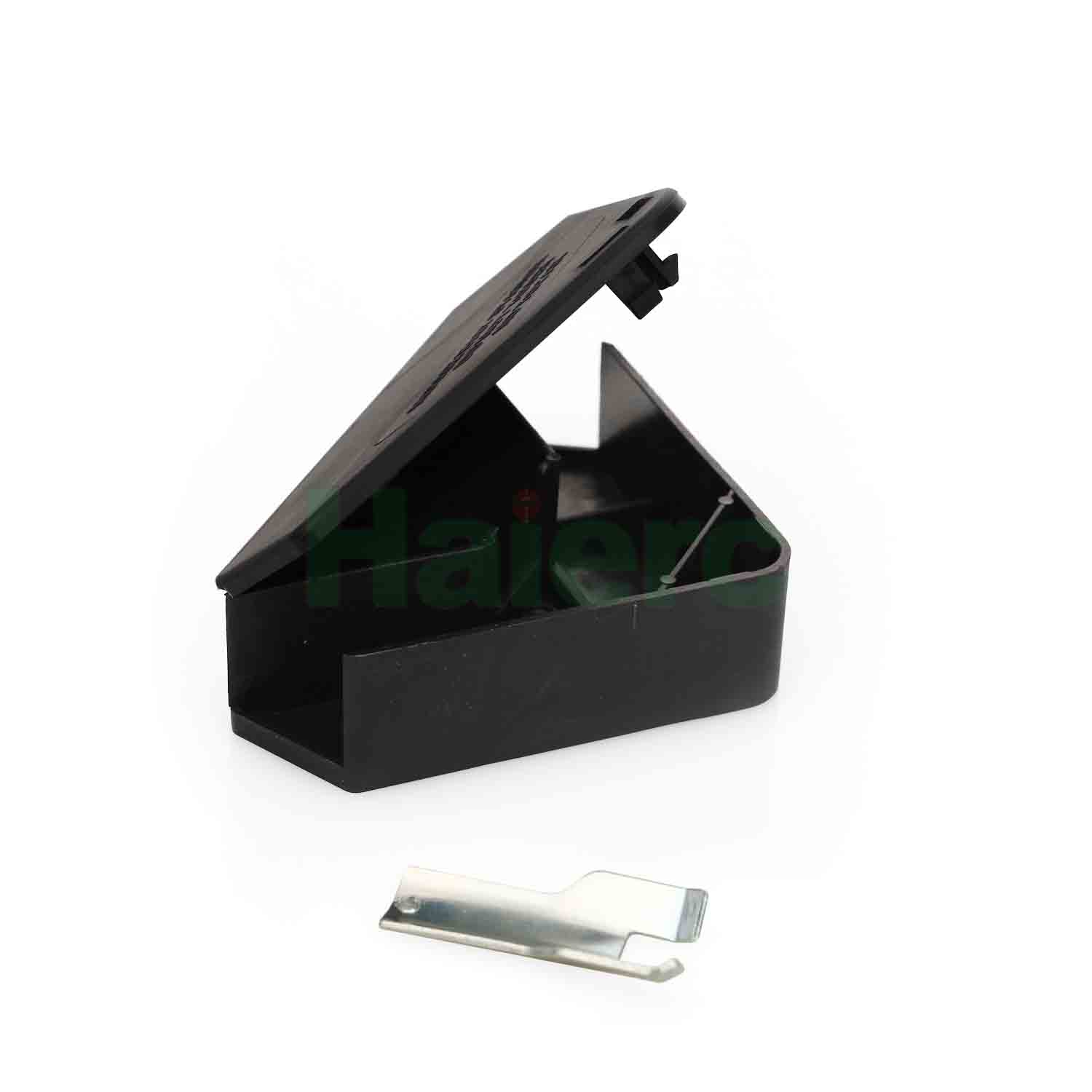
Food safety audit standards like ISO 22000 and food-facility buyer requirements demand that unauthorized personnel cannot open pest management equipment. Look for stations with a double-entry key system or single-key multi-point latches. The locking mechanism must withstand heavy foot kicks and continuous sanitation washing without popping open. Our HC2221 heavy-duty station utilizes a proprietary dual-lock system that keeps bait blocks and mechanical traps fully secure against accidental tampering.
2. Universal Interior Versatility (Bait, Trap, and Glue)
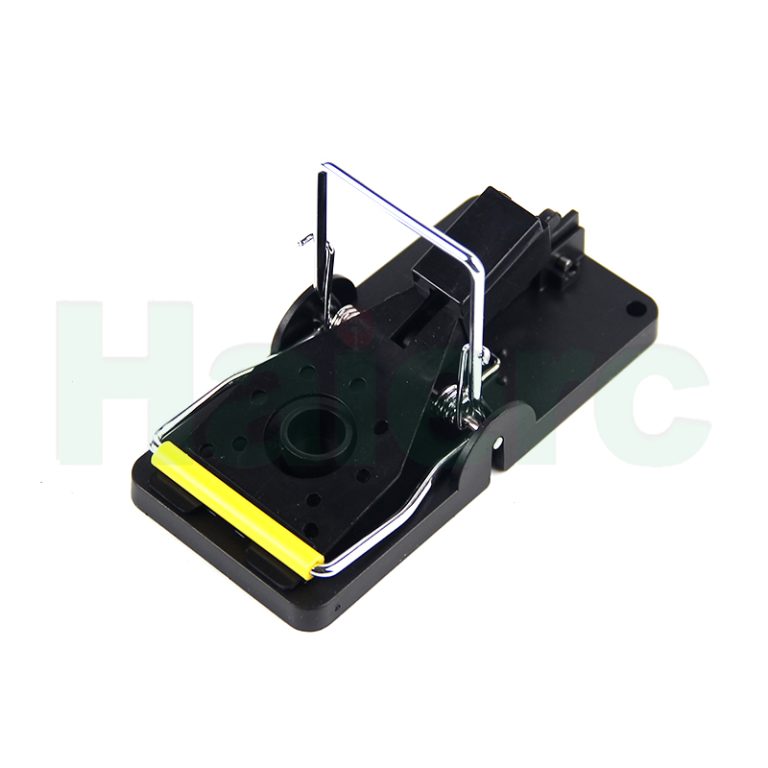
Plant managers cannot afford to buy three separate boxes for different IPM phases. A station that holds two standard mouse snap traps side-by-side allows technicians to catch mice approaching from either entry hole without replacing the outer housing. Reusable Mouse Bait Stations with removable internal trays drastically reduce technician servicing time on massive 50,000-square-meter facility floors.
3. Impact-Resistant UV-Polycarbonate and Polypropylene Construction
Cold storage facilities operate at sub-zero temperatures where standard plastics turn brittle and shatter under light contact. Stations manufactured from virgin polypropylene with UV-stabilizers and cold-impact additives withstand forklift bumps, pallet jack scrapes, and temperature swings from -30°C to +60°C.
4. Elevated False Floors and Internal Water Drainage
Daily wet washdowns with chlorinated foam or high-pressure sprayers will ruin monitoring baits if water pools inside the station. Look for raised internal baffles with perimeter drainage holes. These allow washdown water to escape freely while keeping monitoring blocks dry and palatable to target rodents.
5. Low-Profile Form Factor for Wall-Hugging Placement
Rats and mice exhibit strong thigmotaxis, moving almost exclusively along wall-floor junctions. A station with flat rear edges fits flush against baseboards, forcing rodents directly through the entry holes.
For broader exterior plant protection, facility managers often source comprehensive hardware sets from established manufacturers. Alongside rodent stations, sourcing humane bird spikes, Bird Shock Tracker tracks, or a Bird Scarecrow Fake Owl Decoy Sculpture ensures total perimeter pest exclusion across all structural vectors.
Haierc Heavy-Duty Rodent Station Specifications vs Industry Standard
| Engineering Specification | Haierc HC2221 Industrial Standard | Generic Commercial Station |
|---|---|---|
| Housing Material | High-grade impact-resistant PP with UV stabilizers (-30°C to +60°C) | Recycled brittle plastic prone to cracking |
| Internal Security Rods | Corrosion-resistant 304 SS vertical & horizontal rods | Thin galvanized iron wire (rusts after washdowns) |
| Internal Trap Compatibility | Accommodates large rat snap trap, 2 mouse traps, or glue boards | Restricted to bait blocks only; cannot fit mechanical traps |
| Locking Mechanism | Dual-prong secure key lock with protective cap | Single flimsy snap-tab easily opened without key |
| Moisture Management | Raised internal staging floor with 6 channel drainage ports | Flat internal bottom; collects washdown water and mold |
| Wall-Mounting Integration | Pre-drilled base slots for concrete anchor bolts & ground brackets | No base mounting holes; easily kicked out of alignment |
Mistakes to Avoid & Pro Tips for Pest Audits
Even the best hardware fails if technicians position it incorrectly or neglect regulatory compliance.
├────────────────────────────────────────────────────────────────────────┤
The most frequent audit violation in food packaging plants is using rodenticides indoors. Never place chemical baits inside processing, packaging, or storage zones. third-party food-safety buyer audits and IFS auditor checklists strictly require non-toxic monitoring blocks or mechanical traps inside building envelopes. If an auditor spots toxic blue or green bait dust near a production line, the plant faces an automatic non-conformance finding.
Another common mistake is forgetting to anchor exterior stations. Unanchored stations get bumped by forklifts, moved by lawnmowers, or displaced by wind. Secure every exterior station to concrete patio blocks or foundation footings using industrial adhesive or anchor bolts. When installing perimeter bird hardware like Nylon Bird Proof Netting or a One Way Door Trap on grain silos, anchor those systems with the same mechanical rigidity.
Keep detailed service records inside every station. Use durable, waterproof barcode labels affixed to the inside lid. Technicians scan the barcode, record trap status, clean the interior, and replace chewed monitoring blocks within seconds. That digital paper trail proves to IFS auditors that your pest management program is actively maintained rather than neglected.
In facility overhead structures where birds roost above loading docks, pairing ground rodent stations with physical barriers creates a complete IPM envelope. The global commercial pest hardware market continues to shift toward non-toxic physical barriers. For instance, the physical-attraction fly trap market held a 46% share in 2025, and sticky fly traps accounted for 40% of the residue-free market. European Union biosecurity standards and CEPA guidelines prohibit toxic rodenticides inside food processing and packaging zones. You must use non-toxic monitoring blocks, mechanical snap traps, or glue boards housed inside secured, lockable stations like the Haierc HC2221 to prevent chemical contamination risks.
Q: What is the ideal spacing for rodent bait stations along food facility perimeters?
A: Exterior property fence lines require station intervals of 15 to 30 meters. Along exterior building foundations, place stations 10 to 15 meters apart, reducing spacing to 3 to 5 meters near high-risk zones such as loading bays, trash compactors, and raw ingredient entry doors.
Q: How do Haierc bait stations prevent moisture damage to internal monitoring blocks?
A: Haierc rodent stations feature engineered false floors with integrated channel drainage ports. During daily chemical washdowns, water drains immediately through base outlets without pooling around internal snap traps or monitoring blocks, preventing mold growth and bait degradation.
Q: Are Haierc rodent bait stations compatible with snap traps from different brands?
A: Yes. Haierc manufactures versatile bait stations with universal interior locking channels designed to hold standard commercial rat snap traps, dual mouse snap traps, or horizontal metal bait rods, giving pest management professionals complete operational flexibility.
Q: What certifications do Haierc pest control hardware products carry for commercial food plants?
A: Haierc hardware is manufactured in an ISO9001-certified factory in Tianjin, China, and complies with CE, REACH, and RoHS standards. Materials are non-toxic, UV-stabilized, and designed to withstand the strict audit criteria of HACCP, third-party food-safety buyer audits, IFS, and food-facility buyer requirements food safety programs.
Conclusion & Soft CTA
Protecting food processing facilities against rodent intrusions requires robust, audit-compliant pest hardware. From dual-locking tamper resistance to elevated drainage floors that survive daily chemical washdowns, selecting the right station features keeps your perimeter secure and your audit scores spotless. Combine ground-level rodent stations with overhead exclusion tools like Bird Spikes and high-strength netting to maintain an airtight IPM barrier across your plant.
Haierc PCO has engineered and manufactured professional-grade pest control hardware for more than 18 years, supporting pest control operators, distributors, and facility managers across markets worldwide. We provide flexible OEM/ODM private labeling, custom mold development, and standard production lead times of 15 to 25 days with a low 500-unit MOQ for trial orders.
Ready to upgrade your commercial pest defense hardware?Request product samples or wholesale pricing from Haierc today or reach our technical team at info@haierc.com.