Which UV Fly Killer Layout Works Best in Supermarkets?
Introduction — Scenario Pain Point
Flies spread pathogens. When an adult housefly lands on uncovered cold cuts in a commercial supermarket deli counter, it contaminates food contact surfaces within two seconds flat. That ruins audits. Supermarket store managers and QA directors routinely battle sudden fly spikes near open display cases, salad bars, and customer checkout lanes. You can’t spray synthetic pyrethroids over open produce bins during store hours, and customers won’t tolerate unsightly zappers crackling above the bakery case.
Commercial grocery operations present a unique spatial challenge. Automatic sliding doors open hundreds of times every hour, sucking outside air and filth flies right past the vestibule. Backroom receiving docks stay propped open during early morning deliveries, letting blowflies and flesh flies track pallet grease straight toward perishable staging areas.
[Exterior / Docks] —> [Backroom Storage] —> [Food Prep (Deli/Bakery)] —> [Retail Floor]
High-Power Trap) Transition Line) Glue-Board Capture) Discreet Sconce)
Facility managers constantly ask our field engineers a critical operational question: which UV fly killer layout works best in supermarkets? The answer comes down to multi-barrier interception zoning. You can’t rely on a single oversized bug zapper in the backroom and hope for the best. Passing rigorous third-party sanitation audits requires strategic placement that pulls flies away from food surfaces without pulling outside pests deeper into your retail footprint.
Why Supermarkets Are Magnet Zones for Flying Insects
Supermarkets pack dozens of conflicting micro-environments under one roof. Produce departments mist leafy greens with water, generating localized humidity spikes that lure vinegar flies and phorid flies. Rotisserie ovens and deli fryers exhaust warm organic aromas straight out through rooftop vents, while drafty trash compactors provide immediate breeding substrates right outside dock doors.
Data from the NPMA reveals that retail food establishments experience 40% higher flying insect pressure during seasonal temperature shifts. In early spring and peak summer, flies track air currents toward temperature-controlled retail interiors. The physical dynamics of grocery stores make this worse. Negative air pressure inside the building pulls outdoor air in whenever an exterior door opens. If your receiving dock lacks an effective air curtain, flies ride those air currents directly into the dry goods staging aisles.
Outside Air Pressure (Higher)
▼ (Dock Door Opens)
[ Negative Air Inrush ] ───► Pulls Flies Past Doorway ───► Settles on Warm Bakery / Deli Exhaust
Federal oversight makes fly management a high-stakes issue. Under updated food-facility buyer requirements 2026 rules, flying insect activity near exposed ready-to-eat foods counts as an uncontrolled biological hazard. A single documented sighting during a state health inspection or a third-party food-safety buyer audits retail audit can trigger immediate non-conformance penalties.
Beyond regulatory fines, customer brand perception collapses the moment an insect lands on a bakery display case. Pest control technicians who run routes in heavy commercial districts know that flying insects don’t wander randomly through grocery aisles. They navigate by tracking warm air currents, phototactic light wavelengths, and food scents. Understanding these flight corridors is the only way to design an effective grid layout.
Step-by-Step Layout Strategy for Supermarket Facilities
Designing an effective layout requires dividing the grocery footprint into four distinct containment zones. Each area demands a specific hardware form factor and mounting geometry to intercept target pests before they reach customer-facing shelves.
+———————————————————————————–+
| SUPERMARKET FACILITY LAYOUT |
| |
| [ ZONE 1: Loading Dock ] [ ZONE 2: Backroom Storage ] |
| • Mount: 8-10 ft high • Mount: 5-6 ft high |
| • High-output 304 SS trap • Interception grid along transit routes |
| • Perpendicular to door • Mouse Bait Station along perimeter baseboards |
| |
| ─────────────────────────────── Barrier Wall ────────────────────────────────── |
| |
| [ ZONE 3: Food Prep / Bakery ] [ ZONE 4: Retail Sales Floor ] |
| • Mount: 4-6 ft high (fly zone)• Mount: 6-7 ft decorative sconces |
| • Non-fragmenting glue boards • Hidden glue traps away from direct sun |
| • Zero grid zappers allowed • Window Fly Paper Sticky Strips near vestibules |
+———————————————————————————–+
Zone 1: Loading Bays and Receiving Docks (Interception Barrier)
Your loading dock is the primary breach point. Bulk pallets arrive daily, exterior roll-up doors stay elevated for 45-minute stretches, and outdoor air rushes in.
- Mount heavy-duty UV light traps 8 to 10 feet away from the interior door frame, positioned perpendicular to the opening.
- Never mount a UV light trap directly facing the open dock door. Placing a high-output UV unit in direct visual line of sight of the outside world attracts night-flying insects from hundreds of yards away.
- Install traps along the adjacent side walls where they can intercept pests that slip through dock seals, pulling them away from the warehouse passage doors.
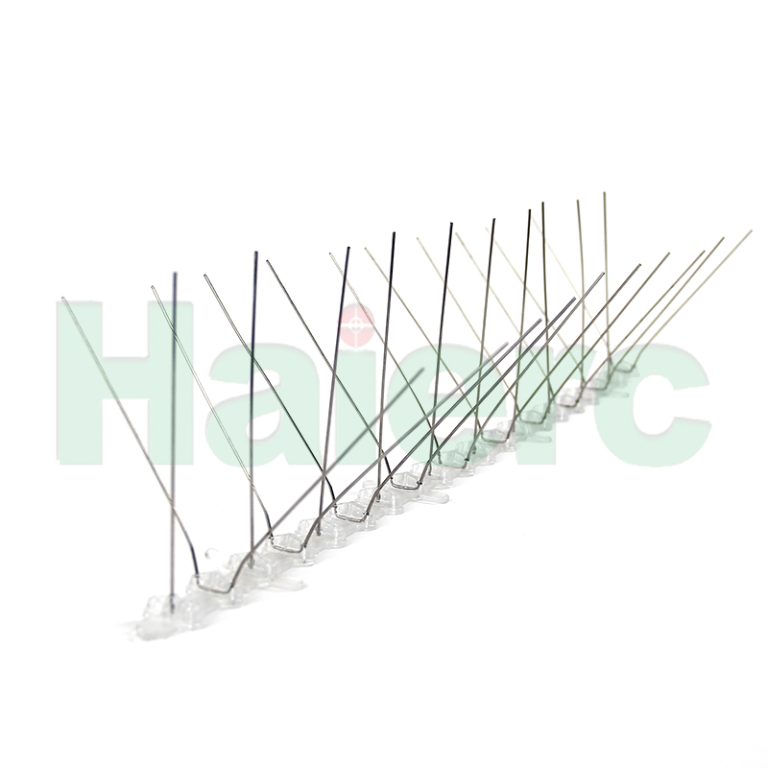
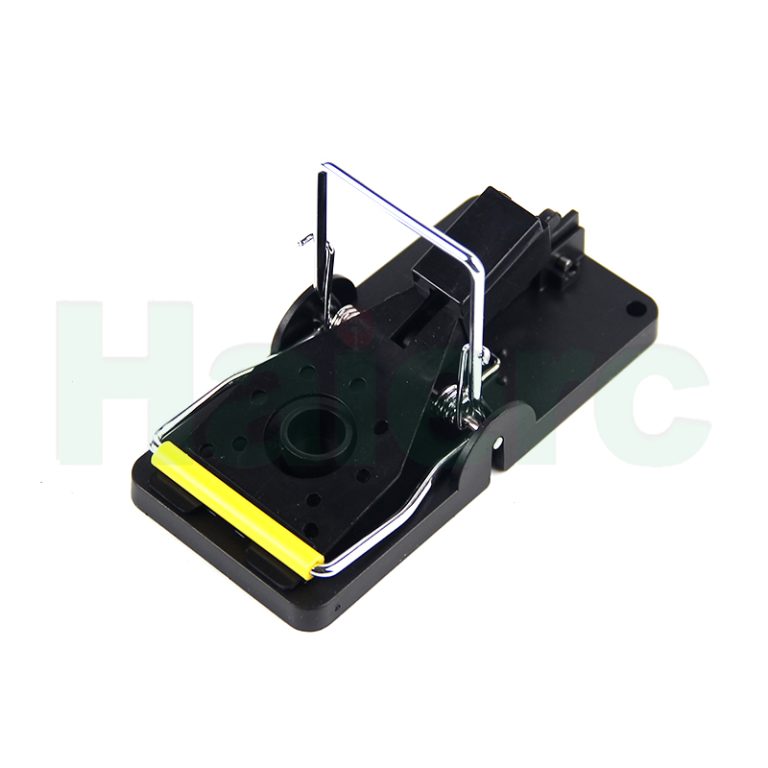
For facilities handling both flying insects and rodent runs at the loading perimeter, combine your flying insect grid with an Electric Rat Squirrel Rodent Pest Repeller or heavy-duty Mouse Bait Station line along exterior walls. If dock doors feature high open eaves, installing Plastic Bird Net or humane Bird Spikes prevents pest birds from roosting overhead and dropping contaminants onto staging docks.
Zone 2: Backroom Storage and Waste Staging (Buffer Corridor)
The transition corridor between backroom storage and the customer sales floor acts as your primary buffer. Trash compactors, cardboard balers, and floor drains create high secondary attraction points in these storage areas.
- Position wide-angle glue-board UV units at five to six feet off the floor along primary interior transit corridors.
- Space units every 35 to 50 feet along the path leading from docks to preparation departments.
- Keep hardware clear of overhead pallet racking where forklift forks could clip them during routine restocks.
Zone 3: Deli, Bakery, and Meat Prep Rooms (Zero-Tolerance Food Zones)
Food processing sectors inside retail stores require strict adherence to HACCP and ISO 22000 hygiene guidelines. High-voltage grid zappers are strictly prohibited in these departments because exploding insect fragments can drift into food mixing bowls and slicers.
WRONG: Direct Line-of-Sight CORRECT: 90-Degree Offset Layout
[ Open Dock Door ] [ Open Dock Door ]
▼ (Light pulls outdoor bugs in) ▼ (Flies enter) ───► [ UV Trap on Side Wall ]
[ UV Trap Facing Door ] (Intercepted before prep)
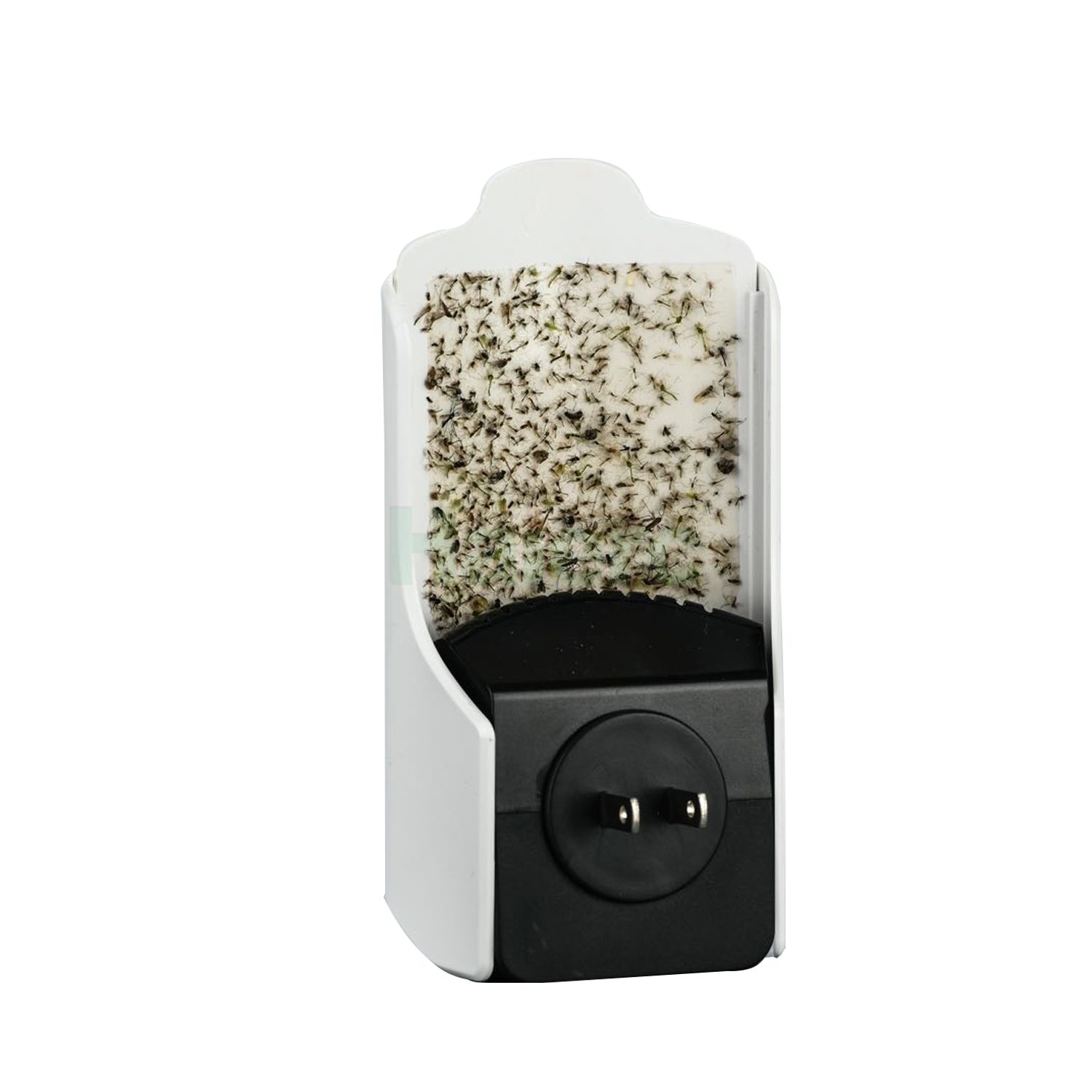
- Install silent, shatterproof glue-board light units (like the HC1115-T12B commercial series) at an operating height of four to six feet. This matches the natural flight altitude of foraging houseflies.
- Place traps at least 10 to 12 feet away from open food prep surfaces, cutting boards, and unsealed display racks.
- Angle the fixture so UV light pools into dark corners where flies rest rather than casting shadows across prep tables.
Zone 4: Retail Sales Floor and Customer Entrances (Discreet Protection)
The main shopping floor demands visual discretion. High-voltage industrial zappers ruin the shopping experience and draw unwanted attention to pest control efforts.
- Deploy architectural front-of-house UV wall sconces six to seven feet high along perimeter walls.
- Place units near customer vestibules, bottle return rooms, and floral departments where standing water collects.
- Avoid placing UV traps directly adjacent to large glass storefronts or under intense 5000K LED spot ceiling lights, which drown out the 365nm UV wavelength needed to attract target flies. Supplement hard-to-reach vestibule corners with discrete Window Fly Paper Sticky Strips behind display banners.
Product Specifications: Matching UV Hardware to Store Zones
Selecting the correct commercial hardware for each zone ensures audit compliance and long-term durability. Food preparation environments require 304 SS stainless steel or high-impact UV-polycarbonate construction to resist daily washdown chemicals and high humidity.
Haierc Commercial UV Fly Trap Specifications vs Industry Standard
| Specification | Haierc Standard (HC1115-T12B Series) | Alternative Option |
|---|---|---|
| Housing Material | Corrosion-Resistant 304 SS / UV-Polycarbonate | Standard 201 Stainless / Recycled ABS |
| Catch Mechanism | High-Tack Melt Glue Board (suitable for facilities running HACCP programs) | High-Voltage Electric Grid (Exploding Debris) |
| Bulb Technology | Shatterproof FEP-Coated UV-A (365nm Peak) | Standard Non-Coated Glass Tubes |
| Coverage Area | 120 – 180 m² (Wide Vector Distribution) | 60 – 80 m² (Narrow Beam Angle) |
| Compliance Standards | CE, RoHS, REACH, ISO9001, FDA/suited to help buyers meet HACCP audit expectations | Basic CE Only |
| Minimum Order (OEM) | 500-Unit MOQ (Custom Branding Available) | 1000+ Units with Strict Limitations |
When designing a comprehensive IPM plan for a supermarket chain, pest control contractors must source dependable physical control hardware across categories. While our engineering team focuses heavily on UV-A capture dynamics, we also manufacture structural exclusion tools. Utilizing robust, shatterproof equipment guarantees that client stores clear their safety inspections without unexpected hardware failures.
▼ ▼
▼
Mistakes to Avoid & Pro Field Tips
Technicians make common installation errors in commercial grocery settings. The most frequent mistake? Mounting UV traps directly above food processing stations. When an insect flies toward a trap mounted right over a deli meat slicer, it may drop dead straight into open product before it touches the glue surface.
Another chronic failure stems from ignoring UV-A bulb degradation. Bulbs continue emitting visible blue light long after their UV-A output drops below lethal attraction thresholds. According to technical reports published by industry guidance and CEPA, UV-A emission drops by nearly 50% after 9 to 12 months of continuous 24/7 operation. You might think the trap is working fine because it looks lit up blue, but flies will ignore it entirely.
-
- Don’t tuck UV units behind hanging signage, structural columns, or pallet stacks where light vectors are blocked.
- Position units away from mercury vapor dock lights, skylights, and direct afternoon sun glare.
- Inspect boards every 14 days in summer and replace them immediately once dust or dead insects cover 60% of the surface area.
- Every bulb located within 25 feet of exposed food must feature an FEP fluoropolymer shatterproof coating to comply with third-party food-safety buyer audits and IFS food safety standards.
- Pair UV trap checks with visual inspections of surrounding exclusion screens, baseboard glue stations, and loading dock seals.
Taking the time to measure ambient foot-candles and map air currents during your initial site assessment saves hours of troubleshooting down the road.
Frequently Asked Questions
Q: Why are high-voltage zappers banned in supermarket food prep areas?
A: Electric zappers cause insect bodies to explode on contact. This creates airborne micro-fragments, bacteria, and insect parts that can drift up to seven feet, contaminating exposed food tables and clean utensils. HACCP and food-facility buyer requirements guidelines mandate non-fragmenting, silent glue-board units like the Haierc HC1115-T12B for all food handling and preparation zones.
Q: How often do commercial UV light trap bulbs need replacement in retail stores?
A: UV-A bulbs should be replaced every 9 to 12 months. Even though the bulb still glows visible blue light, the invisible 365nm UV wavelength degrades significantly after 8,000 hours of continuous use. We recommend replacing bulbs annually in early spring before fly breeding season peaks.
Q: What is the optimal mounting height for UV fly killers on the sales floor?
A: The optimal mounting height is four to six feet (1.2 to 1.8 meters) from the finished floor. Houseflies and blowflies typically forage and travel within this vertical flight zone. In public customer areas where visual aesthetics are critical, decorative wall sconces can be mounted up to six or seven feet high.
Q: How many UV fly traps are required for a 30,000 sq. ft. supermarket?
A: A standard 30,000 sq. ft. supermarket typically requires 8 to 14 units depending on ceiling height and wall partitions. This layout includes 2 high-capacity units at the receiving docks, 2 in backroom staging corridors, 3 to 4 glue-board units across bakery and deli prep rooms, and 3 to 6 decorative sconces across perimeter retail aisles.
Q: Does ambient supermarket LED lighting reduce the effectiveness of UV fly traps?
A: Yes. Modern 4000K–5000K high-output ceiling LEDs can overpower UV-A output if traps are placed too close to overhead lighting fixtures. To maintain high trap attraction, place UV units in darker wall corridors or slightly below ceiling light grids to create a visible contrast pocket for foraging insects.
Conclusion & Strategic Sourcing
Executing a successful supermarket fly management strategy comes down to intelligent spatial zoning. By positioning high-capacity interception hardware at loading docks, non-fragmenting shatterproof glue units in preparation kitchens, and discrete decorative sconces across retail aisles, facility managers can eliminate fly complaints and ace third-party food safety audits.
For commercial pest control operators, sourcing reliable, fully certified hardware directly impacts your service margins and client retention rates. Haierc PCO brings over 18 years of specialized manufacturing experience from our ISO9001-certified factory in Tianjin, China. We supply commercial insect light traps, Bird Spikes, bait stations, and physical exclusion hardware to pest bird solutions distributor Europe partners, bird deterrent system wholesaler UK networks, and major distributors across North America. All our hardware meets strict CE, RoHS, REACH, and EPA standards, supported by a standard 15-25 day production turnaround, low 500-unit MOQs, and complete OEM custom packaging options.
Ready to upgrade your commercial hardware inventory?Request samples or wholesale pricing → or reach our technical team at info@haierc.com.