Laser Bird Deterrent 2026: Autonomic Laser Repellent & Smart IoT Bird Control — Technology Trend for Distributors
Introduction
A laser bird deterrent 2026 is an automated, non-lethal optical pest management system that casts high-contrast green laser beams across open spaces to exploit avian visual threat instincts and clear target zones without physical harm. Birds perceive the approaching beam as an incoming physical hazard. They take flight immediately.
UK commercial facilities face intense pressure this year. Traditional auditory scarers trigger noise complaints across urban councils. Toxicants face outright bans under changing DEFRA frameworks. Pest control distributors are seeing commercial clients ditch reactive shooting or manual dispersal runs. Instead, facilities managers want permanent, automated bird management. The shift toward non-lethal bird deterrent technology isn’t just an ecological preference anymore. It’s a strict operational mandate driven by tightened wildlife licensing and stringent corporate ESG scores.
Distributors who stock only static plastic spikes or basic netting are losing lucrative commercial contracts. Large logistics hubs, agricultural grain stores, and food processing plants need continuous, autonomous coverage. Integrating automated optical systems alongside physical barriers allows pest control service providers to lock in multi-year service contracts and secure superior hardware margins.
+——————————————————————-+
| AUTONOMIC LASER DEPLOYMENT ARCHITECTURE |
+——————————————————————-+
| |
| [ IoT Optical Unit ] |
| │ |
| ├─► 520nm Green Diode ────► [ 360° Pan-Tilt Stepper ] |
| │ │ |
| ├─► Ambient Lux Sensor ▼ |
| │ (Day/Night Shift) [ Dynamic Grid Sweeps ] |
| │ │ |
| └─► 4G/IP Connectivity ▼ |
| (Remote Zone Logic) [ Target Flight Zones ] |
| |
+——————————————————————-+
UK Market Overview: Regulatory Pressure and Avian Vectors
Commercial bird exclusion across the British Isles has reached a major regulatory turning point. British Pest Control Association (BPCA) surveys highlight that feral pigeon (Columba livia) and gull populations (Laridae) represent over 34% of all commercial pest callouts in industrial shipping corridors and metropolitan areas.
Environmental legislation has tightened considerably. The Wildlife and Countryside Act 1981 requires operators to prove that non-lethal exclusion methods were exhausted before any lethal control licences can be considered. Meanwhile, the Confederation of European Pest Management Associations (CEPA) stresses proactive physical prevention as the core pillar of European pest management benchmarks.
UK Pest Control Callouts by Commercial Vector (2026 Data Analysis)
=================================================================
Feral Pigeons & Gulls [34%] ■■■■■■■■■■■■■■■
Rodent Vectors (Rats/Mice) [41%] ■■■■■■■■■■■■■■■■■■
Stored Product Insects [15%] ■■■■■■■
Other Wildlife / Occasional [10%] ■■■■
Urban roofs in Birmingham, dockyards in Liverpool, and transit stations across Greater London face continuous structural fouling. Droppings cause severe structural corrosion due to high uric acid concentrations. They also introduce hazardous pathogens like Chlamydia psittaci and Salmonella.
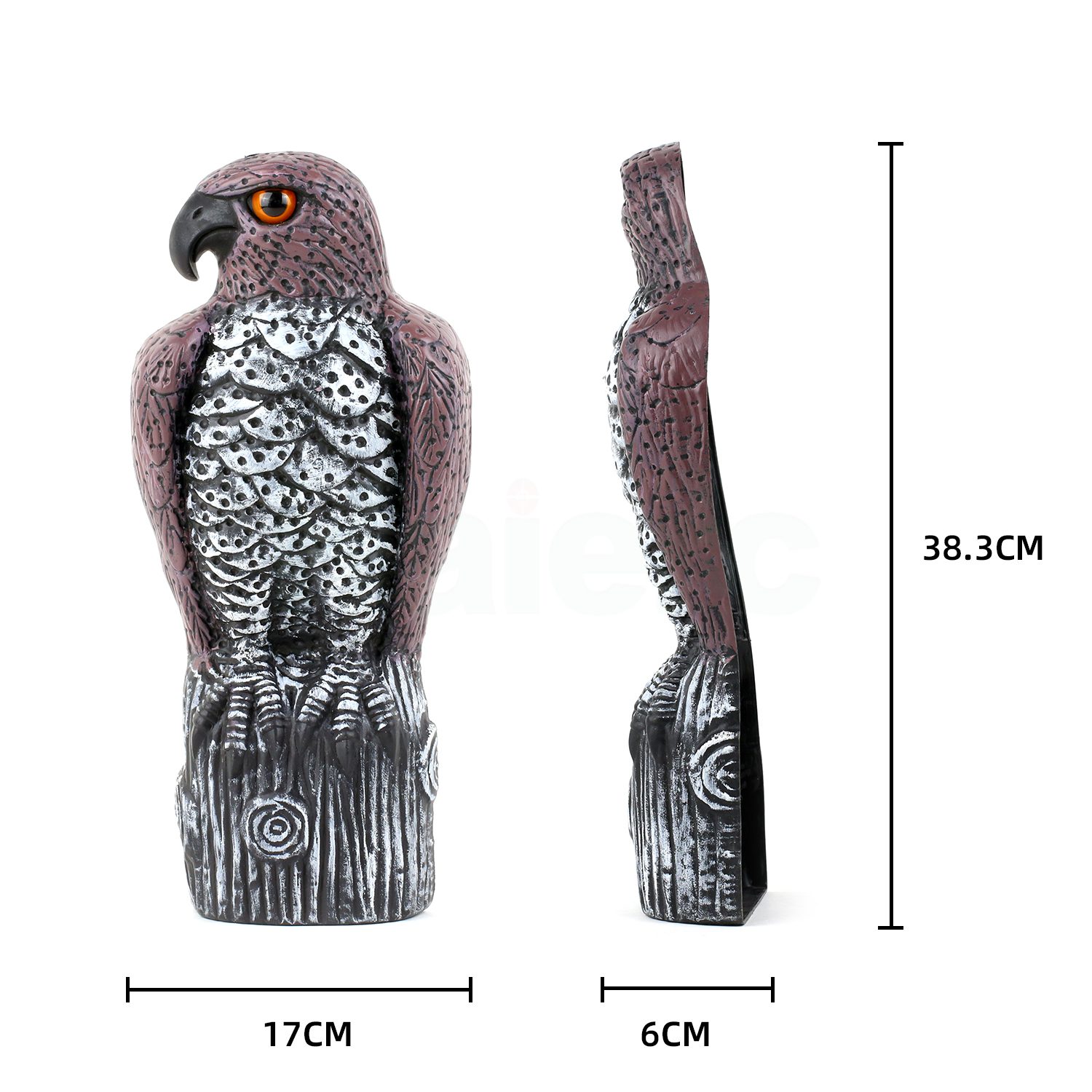
Food processing sites are dealing with heightened third-party audit standards. BRCGS Packaging Materials Issue 7 and global IFS audit requirements explicitly penalise open-air avian presence around loading docks and grain intake bays. Standard visual scaring devices fail within days. Birds habituate to plastic owls or static distress sounds rapidly. What happens when habituation sets in? The birds return, roost over high-risk hygiene areas, and audit failures follow right behind.
Commercial pest control operators need hardware that prevents habituation entirely. That requirement is driving exponential demand for automatic laser bird control systems that alter sweep paths, change speeds, and operate around the clock without operator intervention.
Technical Deep Dive: Autonomic Laser Repellent and Smart IoT Engineering
Modern optical bird control relies on specific photopic sensitivities in pest bird species. Avian retinas are extraordinarily sensitive to the 520nm–532nm green wavelength band. To a feral pigeon, a moving green laser point doesn’t look like a beam of light. It looks like an incoming physical object, such as a predatory raptor or a solid strike weapon.
High-grade systems, similar in operational scope to the AVIX Autonomic laser bird repellent, utilize precise pan-tilt stepper motors that sweep a Class 3B or Class 3R green laser diode across pre-programmed grids. The beam sweeps horizontal and vertical trajectories at varying velocities. Because the movement patterns are randomized via microcontrollers, target flocks cannot predict the sweep cycle. Habituation is virtually impossible.
+——————————————————————-+
| 520nm OPTICAL HAZARD PERCEPTION CYCLE |
+——————————————————————-+
| |
| Diode Emission (520nm) ──► Target Avian Visual Cortex |
| │ |
| ▼ |
| Habituation Prevention ◄─── Perceived Physical Object Threat |
| (Randomized Patterns) │ |
| ▼ |
| Immediate Flocking / Dispersal |
| |
+——————————————————————-+
The 2026 generation of smart IoT bird deterrent wholesale units incorporates connected network architecture into the physical hardware. Units are mounted with industrial brackets to high-bay structural girders or external parapets. Integrated ambient light sensors automatically modulate diode power output, dropping milliwatts during pitch-black night cycles to avoid light pollution while boosting output to cut through 10,000-lux ambient daylight.
Cellular 4G connectivity and local Wi-Fi modules let pest technicians define customized «no-strike» zones directly through a web browser. Roof areas with pedestrian walkways, train signals, or public roads are blanked out in software. The laser diode cuts out instantly if the pan-tilt head crosses into these exclusion corridors, preventing accidental ocular exposure for staff or drivers. The hardware is certified under CE, RoHS, and international laser safety standard IEC 60825-1 to ensure uncompromised workplace safety.
Comparing Commercial Bird Control Hardware Specifications
Choosing the correct avian exclusion hardware requires balancing direct equipment cost, installation labor hours, ongoing site maintenance, and long-term durability. The table below outlines how our advanced laser projection systems compare against conventional bird deterrent options in the European marketplace.
Haierc Optical Laser Deterrent vs Traditional Avian Exclusion Hardware
| Specification / Metric | Haierc Autonomic Laser System | Traditional Anti-Bird Netting | Standard Stainless Steel Spikes |
|---|---|---|---|
| Primary Target Mechanism | Dynamic 520nm optical hazard stimulus | Continuous physical exclusionary barrier | Ledge and parapet landing prevention |
| Effective Coverage Area | Up to 12,000 m² (Open fields/large roofs) | Custom tailored to framed footprint | Linear ledge edges only (per meter run) |
| Habituation Rate | 0% (Randomized algorithmic sweep paths) | 0% (Physical barrier) | Low for ledges; high surrounding nesting zones |
| Installation Labor Time | Low (Single-point structural mount) | Very High (Extensive rigging and cabling) | High (Manual adhesive or screw application) |
| Material / Base Composition | Anodized 6061 Aluminum & 304 SS Bracket | UV-Stabilized Polyethylene (Knotted) | 304/316 SS Pins on UV-Polycarbonate Base |
| IoT / Network Diagnostics | Standard (4G / Wi-Fi zone configuration) | None (Passive hardware) | None (Passive hardware) |
| Regulatory Approvals | CE, RoHS, IEC 60825-1 Compliance | REACH compliant materials | REACH compliant raw materials |
While physical netting and spikes remain irreplaceable for tight structural recesses, automatic laser systems solve large-scale coverage problems that would cost thousands of pounds in access gear and netting labor.
Commercial Opportunities for UK Pest Control Wholesalers and Importers
Distributors across England, Scotland, and Wales are facing a changing market. Pest Control Technology Online (PCT Online) notes that non-toxic, automation-driven hardware categories are seeing some of the fastest annual growth in global pest management hardware sales. Facilities managers are actively trying to cut repetitive service labor costs.
By adding a commercial bird control technology line to your distribution catalogue, you’re addressing several profitable verticals at once:
+——————————————————————–+
| COMMERCIAL DISTRIBUTION VERTICALS |
+——————————————————————–+
| |
| [ Distribution Hubs ] ──► Vast roofs, loading dock canopies |
| [ Cold Storage Units ] ─► Food compliance, internal bay perimeters|
| [ Agribusinesses ] ─────► Open fields, grain silos, soft fruit |
| [ Commercial Solar ] ───► PV panel arrays, roof sub-structures |
| |
+——————————————————————–+
- Logistics Hubs and Modern Fulfillment Warehouses: Large distribution centers feature tens of thousands of square meters of unobstructed roof space. High-bay open architecture makes traditional netting prohibitively expensive to maintain. Autonomic lasers provide blanket coverage from a couple of structural mounting points.
- Cold Storage and Food Distribution: These facilities cannot risk toxic baiting or standard lethal control anywhere near open dock bays. An agricultural laser bird repellent setup, adapted for structural loading aprons, creates a non-lethal perimeter that satisfies BRCGS audit checkpoints.
- Agribusiness and Horticultural Operations: UK fruit growers, viticulture estates, and grain storage plants lose significant crop yield to starling and pigeon flocks each season. A single trailer-mounted laser setup clears open fields cleanly without the sound disturbances associated with propane cannons.
- Commercial Rooftop Solar Arrays: Solar panels across commercial roofs attract pigeons looking for warm sheltered nesting spots underneath. Combining stainless steel mesh barriers with automated sweep lasers stops birds from congregating on the panels, maintaining peak photovoltaic yield.
Are your commercial customers asking for non-lethal alternatives yet? If they aren’t today, they certainly will be by the next audit cycle. Forward-thinking suppliers stock an integrated mix: laser projectors for open space clearing, stainless steel pigeon spike EU importer lines for parapet edges, and bird safety net wholesale India grades for long-span roof voids.
Technical Specifications, Sourcing Variants, and Hardware Customization
Every industrial site presents unique architectural challenges. Haierc PCO builds multiple configuration tiers for professional importers and wholesale procurement channels. Our factory floor produces rugged, weather-sealed field hardware engineered specifically for damp, corrosive maritime environments.
+——————————————————————–+
| AUTONOMIC LASER OPTICAL SPECIFICATIONS |
+——————————————————————–+
| Waveform: 520 nm (True Green Diode) |
| Laser Safety Class: Class 3B / Class 3R Options |
| Beam Divergence: 1.0 mrad – 1.5 mrad (Adjustable) |
| Effective Range: Up to 2,500 meters (Night) / 400m (Day) |
| Pan / Tilt Limits: 355° Pan / -70° to +30° Tilt |
| Enclosure Rating: IP66 Weather-sealed Aluminium Chassis |
| Operational Voltage: 110V-240V AC / 12V-24V DC Solar Ready |
| Operating Temp Range: -15°C to +50°C |
+——————————————————————–+
We balance our laser lineup with mechanical exclusion hardware. When shipping mixed container loads, distributors frequently combine optical lasers alongside:
-
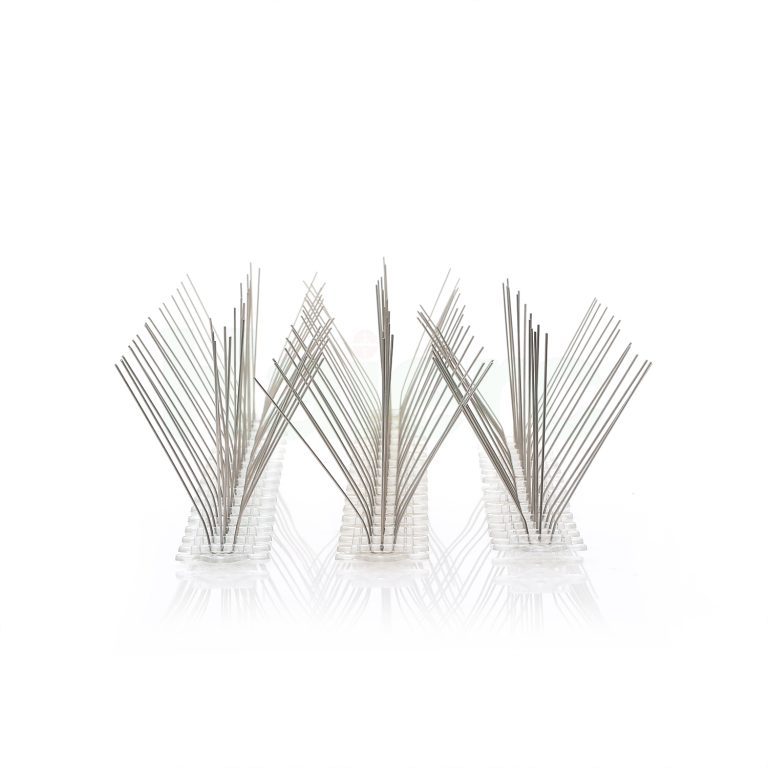
- Heavy-Duty Spikes: 304 SS and 316 Marine Grade wire configurations mounted on virgin UV-polycarbonate bases. These handle narrow structural steel ledges where lasers cannot shoot down directly.
- Physical Barriers: Flame-retardant knotted bird netting alongside traditional Normal Mist Bird Net rolls for specific structural applications.
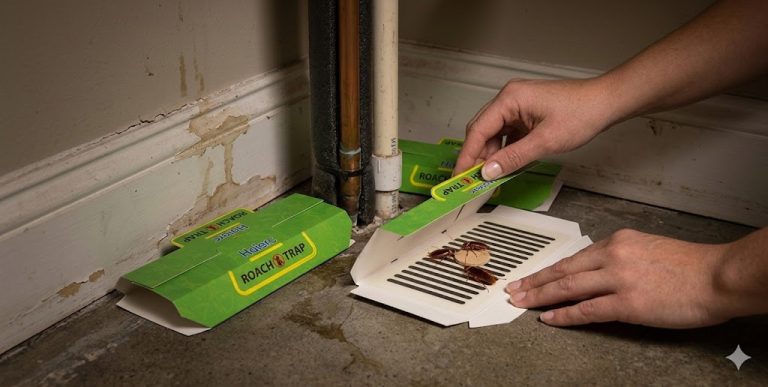
- Rodent Management Lines: Multi Catch Rat Trap hardware, heavy-duty Mice Bait Station enclosures, TINCAT TRAP WALL PARTS, and tamper-resistant Electronic Mouse Trap units.
- Specialty Wildlife Devices: Single Door Wildlife Animal Trap Cage systems, Electric Rat Squirrel Rodent Pest Repeller hardware, and the Easy Foldable Snake Catcher range for municipal wildlife teams.
- Monitoring Tools: Agricultural Yellow Sticky Trap boards and the Bird Shock Tracker system for ledge exclusion.
Our baseline minimum order quantity (MOQ) for high-end optical laser hardware starts from 500 units, but we provide flexible multi-SKU consolidation for trial container orders. Distributors can easily combine laser repellers, bird spikes, and rodent hardware into a single shipment to manage their working capital efficiently.
+——————————————————————–+
| MIXED CONTAINER SHIPPING SCHEDULING |
+——————————————————————–+
| |
| [ Autonomic Lasers ] ──► [ 20ft / 40ft HQ Container ] |
| [ 304 SS Bird Spikes] ──► [ Optimized Sea Freight ] |
| [ Bait & Trap Lines ] ──► [ Consolidated Customs Invoicing ] |
| |
+——————————————————————–+
OEM and ODM Engineering Capabilities
Off-the-shelf equipment doesn’t always match local brand positioning. We operate an integrated 25,000-square-meter manufacturing facility in Tianjin, China, giving international distributors direct access to complete OEM and ODM engineering capabilities.
If you are a bird deterrent system distributor or an established pest hardware brand looking to build a private-label catalog, our engineering team handles:
-
- Custom Firmware and Web Portals: We white-label the remote IoT control panel. Your technicians and end-users see your brand colors, your corporate logo, and your custom domain URLs.
- Chassis Modification and Custom Powder Coating: Aluminum housings can be powder-coated in custom commercial colors (such as slate gray, architectural black, or high-visibility yellow) to blend into buildings or match corporate branding.
- Custom Optical Lenses and Diode Sourcing: Choose between specific diode powers and divergence optics to build tiered models: a cost-effective indoor warehouse model, or a high-power long-distance unit for airports and agricultural estates.
- Packaging and Barcode Consolidation: We supply retail-ready full-color packaging, master shipping cartons with pre-printed EAN-13 barcodes, multi-lingual instruction manuals, and palletization designed for UK warehouse racking.
Tooling modifications and PCB redesigns are managed by our in-house engineering team. Prototyping takes 15 to 20 business days. Full production runs are completed in 15 to 25 days standard, keeping your supply chain agile and responsive to tender deadlines.
Why Partner with Haierc PCO for B2B Avian Hardware Supply
Sourcing commercial hardware directly from the factory floor requires trust, strict quality verification, and consistent manufacturing standards. Haierc PCO has manufactured pest control hardware for more than 18 years. We supply trade distributors, professional service franchises, and municipal importers across markets worldwide.
+——————————————————————–+
| HAIERC PCO CORE CREDENTIALS |
+——————————————————————–+
| • 18+ Years Manufacturing Heritage (Tianjin Production Hub) |
| • ISO9001:2015, BSCI, SEDEX, CE, RoHS, REACH, EPA Certified |
| • Strict Multi-Stage QA: Optical, High-Low Temp, IP66 Ingress |
| • Dedicated B2B Distribution Support (No Direct End-User Sales) |
+——————————————————————–+
Our Tianjin manufacturing hub operates under strict ISO9001:2015 quality management protocols alongside BSCI and SEDEX social compliance audits. Every single optical laser deterrent is subjected to intensive test protocols before boxing. We run dynamic laser power meters across 48-hour burn-in cycles. We test pan-tilt gearboxes under high and low temperature cycles (-20°C to +55°C). We also run IP66 water-ingress pressure chambers to guarantee field reliability.
We don’t sell directly to end-user pest control clients in your local territory. We protect our distribution partners. Our business focuses on providing robust hardware, stable factory-direct pricing, flexible credit options for qualified long-term partners, and reliable international logistics support. Whether you operate as an established bird deterrent system buyer Canada firm, an espantapájaros mayorista across the EU, or a national distributor across England and Wales, our supply lines keep your warehouse shelves stocked.
Frequently Asked Questions
Q: Are commercial laser bird deterrent systems safe and legally compliant for use across the United Kingdom?
A: Yes, provided the equipment complies with standard laser safety protocols and is deployed correctly. Haierc laser systems are built to meet CE, RoHS, and IEC 60825-1 international standards. Units feature user-configurable exclusion zones that stop the beam from projecting toward public roadways, active flight corridors, or occupied windows, ensuring full workplace compliance.
Q: Do feral pigeons and urban gulls become habituated to the laser over time?
A: No. Unlike static visual decoys or periodic acoustic squawk boxes, our autonomic laser projectors use algorithmic sweep software that continually varies speed, direction, and grid intervals. Birds perceive the 520nm beam as an active, physical threat rather than an environmental constant, preventing behavioral habituation across multi-year deployments.
Q: What is the standard MOQ and production lead time for wholesale laser deterrent orders?
A: The standard baseline MOQ for customized laser bird deterrent units starts from 500 pieces. We also support lower quantities for initial trial shipments when combined with other product categories, like bird spikes or rodent traps. Production lead times run between 15 and 25 days, with fast-track scheduling available for urgent tender requirements.
Q: Can our technical staff private-label the mobile and desktop IoT management interface?
A: Yes. Haierc provides complete OEM/ODM software branding alongside hardware private labeling. Our software engineering team can apply your corporate logos, primary brand colors, and custom host domains to the IoT management platform so your technicians and end-user clients see your brand identity throughout.
Q: How do autonomic laser deterrents perform in rain, heavy fog, and cold British winters?
A: Every outdoor unit is built inside an IP66 weather-sealed aluminum enclosure equipped with internal thermostatically controlled heating elements. The system operates smoothly in temperatures down to -15°C and resists driving rain, salt spray, and dense industrial fog without internal lens condensation.
Expand Your Exclusion Portfolio with Haierc PCO
The commercial bird exclusion market is shifting rapidly toward automated, non-lethal, high-tech systems. Adding autonomic optical laser projectors and connected IoT bird hardware to your distribution portfolio positions your company ahead of tightening environmental regulations.
We provide qualified commercial pest control distributors and trade importers with free physical sample kits for mechanical lines, technical demonstration units, comprehensive tender specification sheets, and competitive factory-direct pricing structures.
Contact our international sales engineering team today at info@haierc.com or submit your commercial inquiry directly through our technical hardware portal at https://www.haierc.com to discuss container pricing, distribution territories, and private-label OEM terms.