How to Install Commercial Bird Netting in Food Facilities | Haierc
Problem Background: Why Bird Intrusion Destroys Plant Hygiene
Birds ruin clean facilities fast. One nesting pair of feral pigeons (Columba livia) or common mynas can contaminate tonnes of finished goods within hours. Droppings carry Salmonella, E. coli, and Histoplasma. In Australian logistics hubs across western Sydney and Brisbane, open loading bays and massive awning eaves offer ideal roosting temperatures year-round.
Pest technicians see the same story every week. A facility fails its BRCGS or FSMA audit because nesting debris fell near an active packaging line. Traditional visual scaring devices fail within days. You can hang a Bird Scare Reflective Tape near entry bays to disrupt flight lines temporarily, but birds quickly habituate to optical flashers. The Bird Scare tape works great as an immediate, short-term visual deterrent during maintenance, yet physical exclusion remains the only permanent fix.
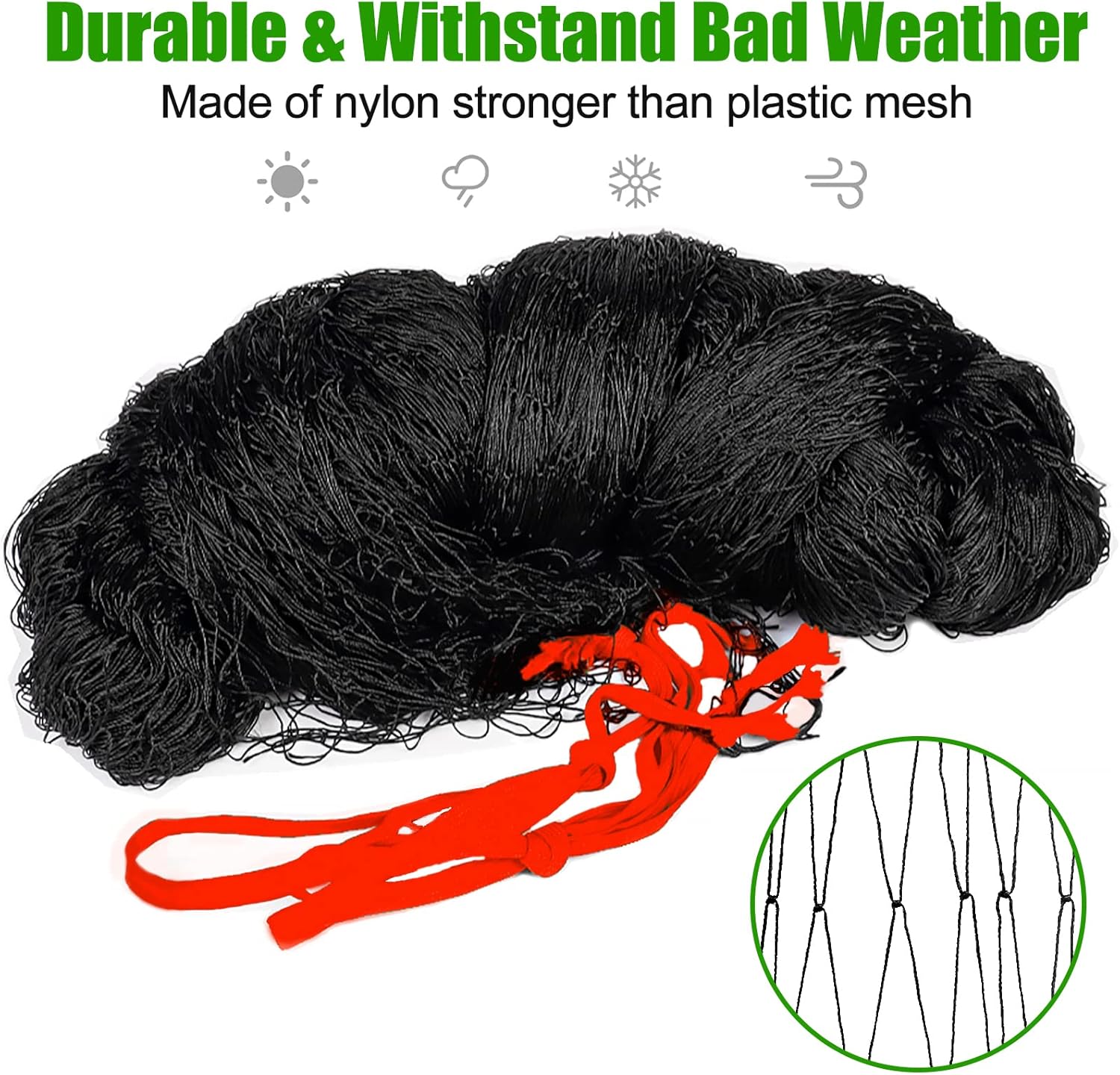
When you’re dealing with high-pressure roosts, physical exclusion is mandatory. That’s why global buyers, whether a bird deterrent solutions importer Canada or an operations lead in Victoria, source high-density polyethylene (HDPE) netting systems. Netting creates an impenetrable physical boundary between incoming birds and high-value structural steel.
[Open Truss / High Eaves]
│
▼ (Bird Pressure: Roosting & Contamination)
┌───────────────────────┐
│ Perimeter Wire Rigging│ ◄── 316 Marine Grade SS Cable (7×7 strand)
└───────────┬───────────┘
│
▼
┌───────────────────────┐
│ Bird Proof Netting │ ◄── 19mm – 50mm Knotted UV-Stabilized HDPE
└───────────┬───────────┘
│
▼
[Total Facility Protection: Zero Droppings on Packaging Lines]
When Structural Nesting Occurs: Australian Seasonal Triggers
Bird pressure shifts with seasons. In Australia, the peak breeding window runs from late August through February, driving aggressive nesting behavior under cantilevered awnings, solar panel arrays, and structural rafters. Starlings and sparrows exploit gaps as narrow as 20mm to build nests inside warm warehouse insulation.
High ambient heat complicates matters. Direct UV radiation degrades cheap nylon or un-stabilized plastics in less than eighteen months. If you install sub-par netting in regional Queensland or South Australia, expect brittle mesh failures by next summer. Industrial sites near coastal ports encounter salt-spray corrosion, which eats through low-grade steel turnbuckles and copper wire within two years.
High-pressure feeding zones require integrated perimeter defense. While technicians might use an Uitrasonic Bird Repeller Machine inside dead corners to break roosting habits, you must seal structural voids completely. Pair structural netting with perimeter rodent defenses, such as a Mouse Bait Station or a heavy-duty Multi Catch Rodent Trap, because bird feed spills inevitably invite secondary rodent infestations.
Step-by-Step Installation Guide for Industrial Bird Netting
Installing commercial netting is structural rigging work. Don’t rush it. A poorly tensioned net sags, traps debris, and eventually tears loose in high winds. Follow this field-tested procedure to install industrial Bird Proof Netting on steel-frame warehouses.
+————————————————————————-+
| STEP-BY-STEP NET RIGGING WORKFLOW |
+————————————————————————-+
| [1. Structural Inspection] ──> Map anchor points, conduit, lighting |
| [2. Perimeter Cable Rig] ──> Anchor 316 SS wire rope every 5-10m |
| [3. Cable Tensioning] ──> Tighten via turnbuckles (drum-tight) |
| [4. Net Fastening] ──> Hog-ring mesh to wire rope every mesh |
| [5. Zipped Access Ports] ──> Install marine zippers for crane access |
+————————————————————————-+
Step 1: Survey and Structural Layout
Measure the total span accurately. Check for roof purlins, overhead crane rails, lighting fixtures, and fire sprinkler clearances. Netting must sit at least 150mm below structural beams to stop birds from perching through the mesh. Calculate your hardware count based on an anchor spacing of every 500mm on masonry or every purlin on structural steel.
Step 2: Install Corner and Intermediate Anchors
Drive heavy-duty eyebolts into your primary structural load points. For coastal or humid food processing sites, use 316 Marine Grade stainless steel hardware exclusively. Fit intermediate fixings (such as girder clamps or screw eyes) along the perimeter line at intervals of no more than 1 meter. This prevents cable deflection when the net takes wind load.
Step 3: Run and Tension the Perimeter Cable
Thread a 7×7 strand, 2mm stainless steel wire rope through all intermediate anchors. Terminate one end with an eyelet and copper ferrules, secured by a standard swaging tool. Attach the other end to an M6 or M8 barrel strainer (turnbuckle) anchored to your corner bracket. Tension the wire until it feels as stiff as a guitar string. Zero sag allowed.
Step 4: Raise and Fasten the Netting
Start at one corner. Hook the net corner to your anchor using a heavy-duty carabiner. Pull the net square along your primary wire rope. Fasten every single mesh square to the perimeter wire using stainless steel hog rings and a manual or pneumatic hog ring gun. Never skip mesh openings. A single unclipped loop creates an entry hole for mynas and sparrows.
Step 5: Install Access Zippers for Maintenance
Facilities need access to light ballasts, HVAC valves, and electrical trays. Cut a straight slot into the net at maintenance points and install commercial UV-treated marine zippers using hog rings. Color-code these zipper pulls so facility contractors don’t slash the netting during routine maintenance work.
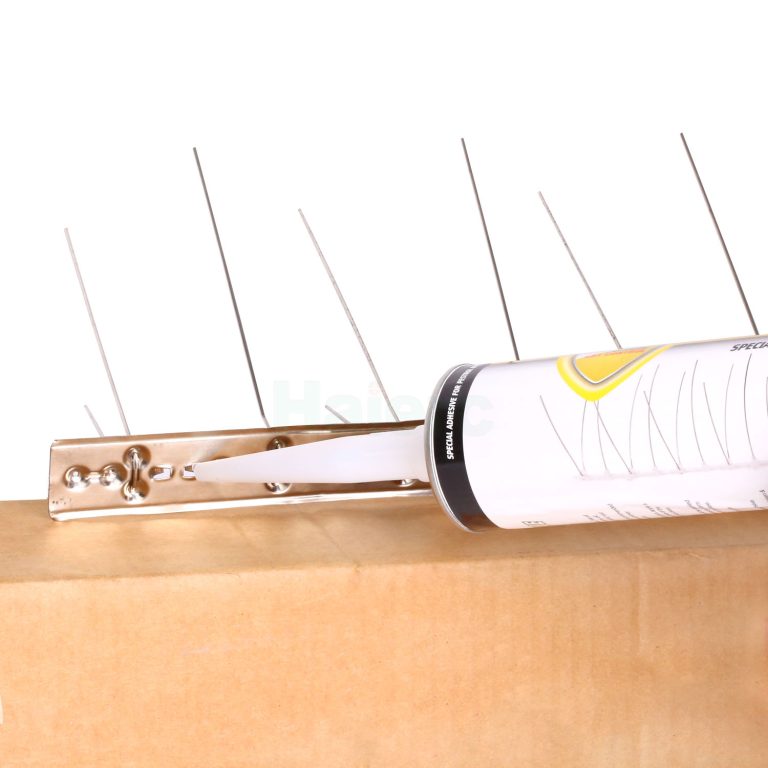
If you’re managing secondary staging areas where birds loiter on narrow ledge perimeters, install an anti pigeon spike polycarbonate base with 304 SS spikes alongside your net perimeters. For wide beams, calculate the Protect Area Dia For Choice to ensure full mechanical coverage from edge to edge.
Comparing Hardware Options for Food Processing Environments
Choosing the right materials determines whether your installation lasts ten years or fails within twelve months. Standard plastic monofilament nets become brittle under intense UV exposure. Knotted high-density polyethylene (HDPE) remains the global standard for commercial facilities.
Bird Exclusion Hardware Durability Comparison (Years)
────────────────────────────────────────────────────────
Standard Nylon Net [■■□□□□□□□□] 2 Years (UV Brittle)
Extruded Plastic Net [■■■■□□□□□□] 4 Years (Thermal Sag)
Haierc Knotted UV HDPE [■■■■■■■■■■] 10+ Years (ISO/REACH Certified)
316 Marine SS Rigging [■■■■■■■■■■] 12+ Years (Zero Rust)
────────────────────────────────────────────────────────
Here’s how professional-grade hardware compares against standard commercial supplies:
Haierc Commercial Bird Exclusion Hardware vs Standard Market Specifications
| Specification / Component | Haierc Commercial Grade | Standard Market Grade |
|---|---|---|
| Net Material & Construction | High-Density Knotted Polyethylene (HDPE), UV-treated 12-ply yarn | Extruded Polypropylene or Unknotted Nylon |
| Breaking Strength per Strand | 22 kg to 28 kg per strand (Tested to ISO standards) | 8 kg to 12 kg per strand |
| Rigging Wire Cable Material | 316 Marine Grade / 304 SS (7×7 multi-strand cable) | Galvanized Iron / Zinc Plated Low-Carbon Steel |
| UV Resistance Index | 300 KLY (Survives 10+ years in high-sunlight regions) | 50 to 100 KLY (Degrades in 18 to 24 months) |
| Mesh Sizes Available | 19mm (Sparrows), 28mm (Starlings), 50mm (Pigeons/Gulls) | Generic 25mm or 40mm limited sizes |
| Chemical & Fire Resistance | Rot-proof, inert, non-conductive, flame-retardant options | Melts easily, degrades under ammonia/cleaning chemicals |
Whether you’re an import manager Europe supplying IFS-certified bakeries, a copper mesh distributor outfitting pest exclusion teams, or a bird safety net wholesale India partner, material integrity protects your brand reputation. For ledge installations where netting isn’t viable, modern installations utilize a Bird Shock Tracker electric track or a humane pigeon spike UK 2026 compliant assembly.
Mistakes to Avoid and Commercial Pro Tips
Pest management technicians frequently make avoidable errors on commercial rigging jobs. Avoid these pitfalls to protect your margins and pass food safety audits:
- Under-tensioning the perimeter cable: If the stainless cable moves more than 20mm when pulled, birds will force their way between the wire and the concrete wall. Keep it drum-tight.
- Wrong mesh size selection: Installing 50mm pigeon net when sparrows or Indian mynas are present in the warehouse precinct. Small species fly right through 50mm apertures. Use 19mm mesh for mixed bird populations.
- Ignoring internal lighting heat: Never rig netting directly against high-bay halogen or metal-halide light fixtures. The ambient heat melts HDPE yarn over time. Maintain a 300mm standoff distance from light fittings.
- Skipping perimeter bird scare tools: During the multi-day installation phase, birds get confused and may dive under unsecured edges. Hang strips of Bird Scare Reflective Tape along open perimeters while your crew works to deter birds during installation.
- Overlooking internal rodent control: Birds drop nesting debris that attracts stored product insects and mice. Always position a Pro Multi Catch Mouse Trap or a Sticky Insect Trap (like model HC1115-T12B) near perimeter netting edges to catch secondary pests early.
A smart technician always builds an integrated barrier. Why stop at birds? If you’re sealing the building envelope, reinforce ground doors with brush seals and place a Humane Animal Trap Cage outside the perimeter fence for possum and feral cat management under local wildlife permits.
Integrated Pest Exclusion Layering
┌──────────────────────────────────────────┐
│ Roof / Eaves: Bird Proof Netting │
│ Ledges: Polycarbonate Anti-Pigeon Spikes │
│ Low Bays: Bird Scare Reflective Tape │
│ Ground: Multi Catch Rodent Trap / Bait │
└──────────────────────────────────────────┘
Essential Hardware Recommendations for Comprehensive Exclusion
A complete exclusion project requires matching hardware tools to specific structural zones. For high-ceiling distribution centers, install knotted UV-stabilized Bird Proof Netting with 316 marine-grade hardware. For narrow window sills, solar panel eaves, and signage letters, screw down an anti pigeon spike polycarbonate base with blunt 304 SS wire tips to prevent perching without injuring birds.
If your facility manages ground-level rodent pressure alongside avian issues, integrate balanced multi-catch hardware. High-traffic warehouse floors benefit from the Pro Multi Catch Mouse Trap alongside heavy-duty tamper-proof bait boxes. International procurement teams, including any insect trap wholesaler Germany, wasp trap manufacturer, or bird deterrent solutions importer Europe, rely on standardized manufacturing specs to streamline inventory across multiple facilities.
When ordering hardware containers, specify your mechanical tolerances clearly. If you require specialized ledge protection, match the Protect Area Dia For Choice to the exact ledge profile (ranging from 50mm narrow tracks to 200mm parapet walls). This eliminates hardware gaps that feral pigeons love to exploit.
Frequently Asked Questions
Q: What mesh size do I need for Australian commercial bird netting installations?
A: Use 19mm mesh for small birds like house sparrows, swallows, and silvereyes. Use 28mm mesh for Indian mynas and starlings. For feral pigeons and seagulls, standard 50mm knotted HDPE mesh provides reliable physical exclusion. Haierc manufactures all three mesh configurations with certified UV stabilization.
Q: Can commercial bird netting withstand harsh Australian UV radiation?
A: Yes, high-density polyethylene netting with 300 KLY UV stabilization resists brittle degradation in high-sunlight regions for 10+ years. Pair the mesh with 304 or 316 marine-grade stainless steel cables and barrel strainers to prevent rust in coastal or humid industrial areas.
Q: How do we access lights and HVAC units behind installed bird netting?
A: Install heavy-duty commercial marine-grade zippers directly into the net mesh using stainless steel hog rings. This creates clean, resealable maintenance entry hatches for electrical contractors and crane operations without compromising structural net tension.
Q: Does bird netting satisfy Australian HACCP and BRCGS food audit standards?
A: Yes. Non-toxic physical exclusion barriers like knotted HDPE bird netting and mechanical bird spikes satisfy non-chemical pest management requirements under HACCP, BRCGS, and IFS global food safety standards by preventing droppings and nesting debris from entering production areas.
Q: What is the minimum cable tension required for industrial warehouse bird netting?
A: The perimeter 7×7 stainless wire rope must be tensioned using M6 or M8 turnbuckles until cable deflection is less than 15mm under a 5kg center load. This drum-tight tension prevents net sag and stops birds from finding access gaps along wall perimeters.
Professional Exclusion Built for the Field
Physical exclusion remains the definitive answer to bird pressure in industrial facilities. Optical ribbons, such as Bird Scare Reflective Tape, serve a valuable purpose for fast, short-term suppression, but long-term compliance demands heavy-duty netting barriers. Rig it tight, select UV-certified materials, and use 316 marine hardware on every critical anchor point.
Haierc PCO designs and manufactures commercial pest exclusion hardware for professional operators and international distribution partners. With over 18 years of specialized manufacturing experience, our ISO9001 and CE-certified factory in Tianjin produces heavy-duty bird spikes, multi-catch traps, and precision exclusion netting exported to markets worldwide.
Whether you need container-load hardware with custom branding or direct technical specifications for high-security facilities, our engineering team supplies complete hardware schedules and rapid physical samples.
Visit https://www.haierc.com or contact our technical sales team at info@haierc.com to request product technical data sheets, structural rigging guides, or custom OEM production quotes today.

-768x768.png)