Which Bed Bug Detection Tools Fit Apartments and Student Housing?
Introduction — The High-Density Housing Challenge
Student housing and municipal apartment complexes across the European Union face a relentless pest threat.Cimex lectularius. When an infestation takes hold in a 300-bed purpose-built student accommodation (PBSA) in Munich, Madrid, or Lyon, it doesn’t stay confined to one room. It crawls through conduit pipes, electrical outlets, and baseboards into adjacent units within days.
Facility managers frequently ask: Which Bed Bug Detection Tools Fit Apartments and Student Housing? The answer depends on operational constraints, resident compliance, and structural layouts. Relying purely on reactive visual inspections fails because early-stage nymphs remain hidden in 1-millimeter cracks. According to data from CEPA (Confederation of European Pest Management Associations), visual detection alone catches less than 35% of low-level introductions.
PCO technicians need robust, non-toxic hardware that works continuously without resident interference. Chemical sprays won’t solve recurring introductions. They scatter the bugs. Physical interception and continuous glue-based monitoring remain the most reliable early-warning defense.
+————————————————————-+
| EARLY DETECTION ESCALATION MODEL |
| |
| [Day 1-7: Introduction] —> [Passive Interceptor / Trap] |
| | |
| v |
| [Confirmed Hardware Catch] -> [Targeted Heat / Spot IPM] |
| | |
| v |
| [No Trapping / Visual Only] -> [Multi-Unit Infestation] |
| ($$$ Remediation + Claims) |
+————————————————————-+
Root Cause Analysis: Why High-Turnover Housing Fails Early Detection
High-density living quarters amplify bed bug risks due to physical building architecture and human behavior. In student housing, semester turnover in September creates massive vector spikes. Luggage rests on carpets, backpacks land on mattresses, and common laundry facilities serve entire floors. These dynamics create constant reintroduction pathways.
Standard multi-family buildings suffer from shared structural cavities. A localized issue in unit 304 quickly spreads to units 303, 305, 404, and 204. Research highlighted by PCT Online confirms bed bugs travel up to 30 meters in a single night along structural pathways in search of a blood meal. When facilities wait for tenant bite complaints, the population has already matured into third- and fourth-instar nymphs or egg-laying adults.
Many tenants don’t react to bites at all. Approximately 30% to 50% of people exhibit zero cutaneous response to bed bug saliva. A room can harbor hundreds of insects for three months without a single bite report. That delay wrecks maintenance budgets.
From an audit and liability standpoint under European EN 16636 standards, multi-family housing operators must document proactive pest monitoring. Letting an infestation reach adjacent units invites tenant rent withholding, local health authority citations, and steep contractor callout fees. Professional PCOs managing commercial accounts often balance multiple pest vectors simultaneously, handling everything from a Mouse Poison Bait Station in utility basements to specialized Insect Glue Trap systems in living areas. The hardware chosen for student rooms must be discreet, tamper-resistant, and physically reliable over months of continuous deployment.
Step-by-Step IPM Implementation: Detection to Action
+————————————————————————-+
| 4-STEP HOUSING DETECTION PROTOCOL |
| |
| 1. BASELINE ISOLATION 2. STRATEGIC PLACEMENT |
| Pull bed 10cm from wall; Bed posts into pitfall traps; |
| fit encasements. monitors along baseboard runs. |
| | | |
| +————–+—————+ |
| | |
| v |
| 3. BI-WEEKLY LOGGING 4. TARGETED REMEDIATION |
| Inspect outer/inner wells; Heat or steam within 48h; |
| document nymph stages. inspect all perimeter units. |
+————————————————————————-+
Detecting bed bugs before they establish harborage requires a structured, four-step protocol. Here is the operational workflow deployed by leading European pest control technicians.
Step 1: Isolation and Baseline Hardware Deployment
First, eliminate bridge contact. Pull bed frames at least 10 centimeters away from drywall. Remove hanging headboards mounted directly to studs, as these hide harborages. Ensure bed skirts and sheets do not touch the floor. Install certified zippered mattress encasements to lock down existing seams.
Step 2: Strategic Hardware Placement
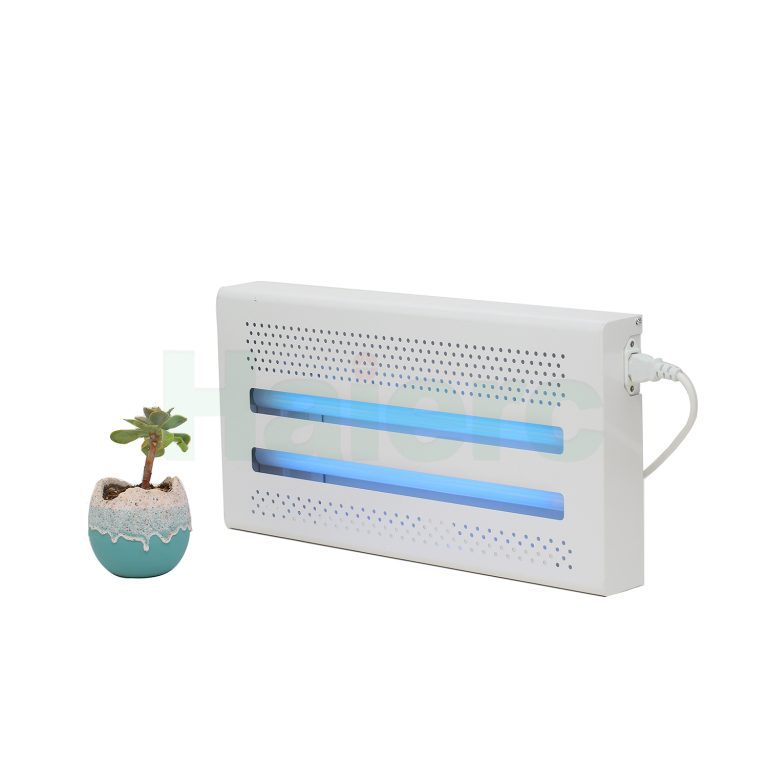
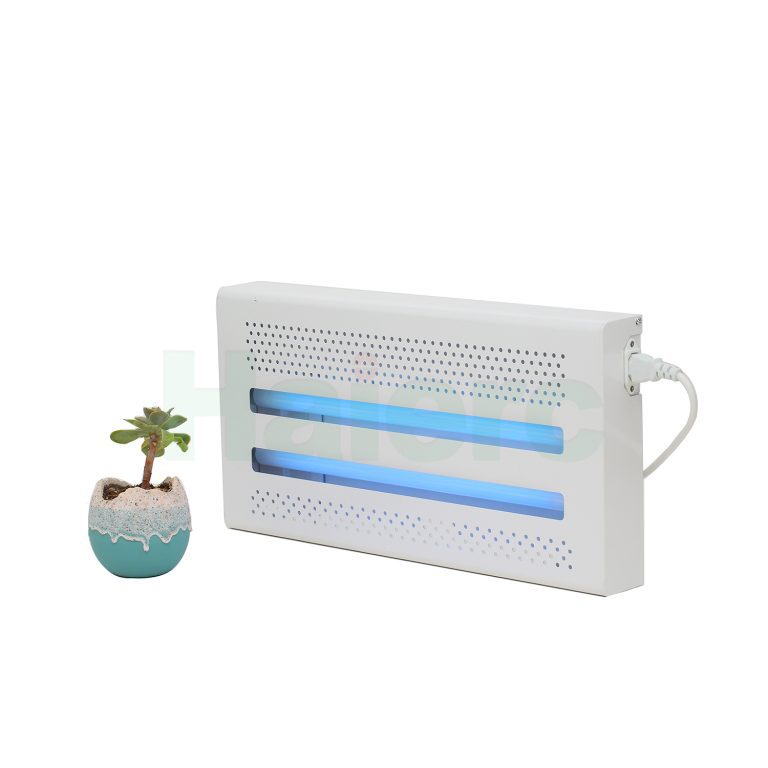
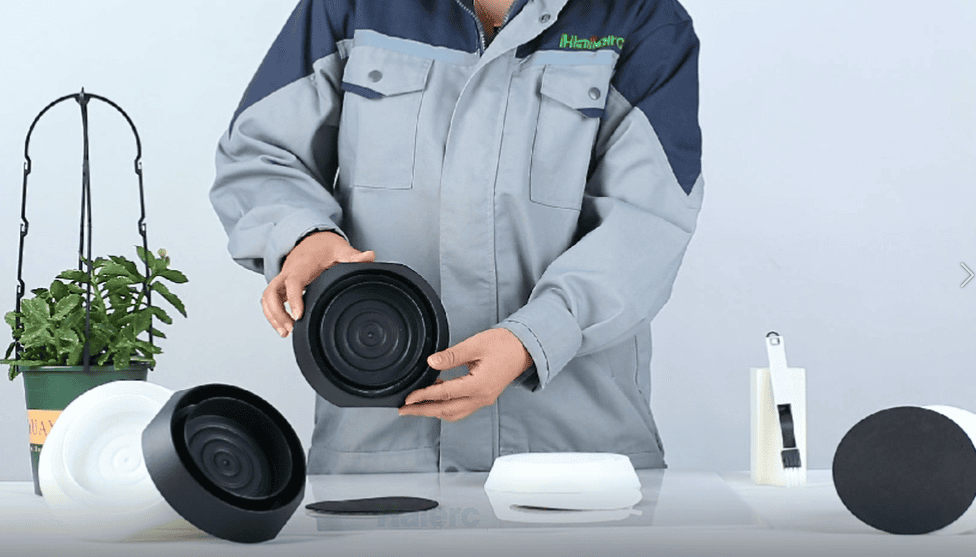
Position rigid pitfall interceptors directly under each bed leg and upholstered sofa post. The textured exterior allows climbing bugs to crawl up, while the slick inner well traps them permanently. For rooms with solid platform beds or floor-level bunk frames where leg interceptors don’t fit, slide low-profile Insect Glue Trap units directly between the headboard and wall, and behind nightstands.
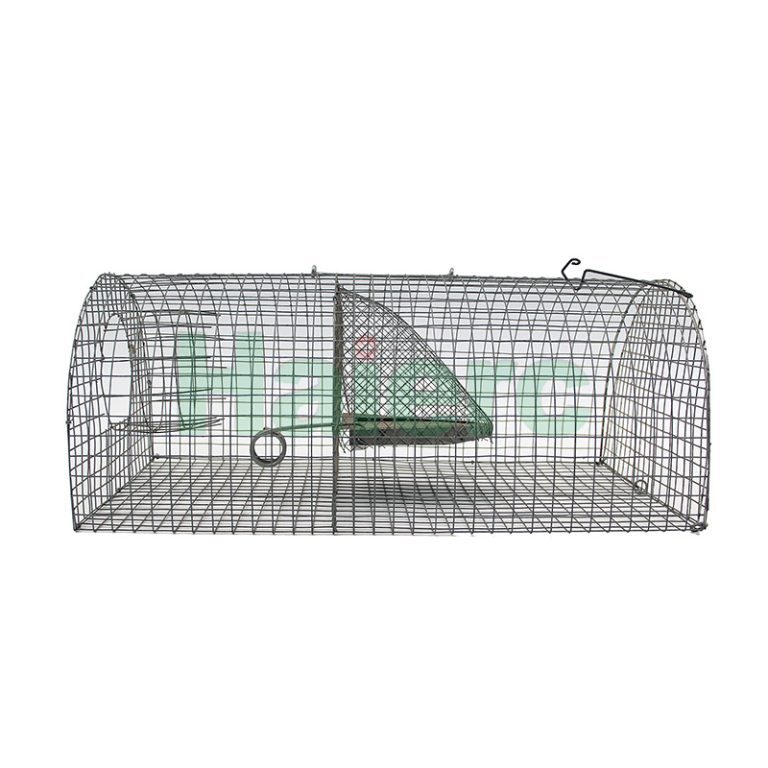
For broad facility inventories, property management teams often bundle their supply chains. A housing complex might stock Bird Spikes or a Plastic Bird Net to deter pigeons from balcony ledges, a Multi Catch Rodent Trap in trash chutes, and dedicated pitfall traps in dorm rooms. Standardizing hardware makes life easier for your inspection crews.
Step 3: Routine Inspection and Logging Schedule
Run bi-weekly inspections during high-risk turnover windows (September–November and January–February). Examine the interior reservoir of each interceptor with a 10x LED hand magnifier. Look for cast skins (exuviae), dark fecal spots, and first-instar nymphs. Log every catch in your digital IPM registry. If you work within third-party food-safety buyer audits or ISO-compliant managed buildings, hardware checks must be stamped with date, unit number, and technician signature.
Step 4: Targeted Response and Adjacent Perimeter Sweeps
When a single insect is caught, execute immediate spot treatment using steam or localized heat rather than broad-spectrum chemical fogging. Inspect the “rule of four” immediately: check the units directly to the left, right, above, and below the affected room. Install interceptors in those four units for a mandatory 60-day observation window.
Hardware Options: Evaluating Detection Tools for Commercial Housing
Different housing layouts require specific detection hardware. Below is an engineering comparison of the primary monitoring tools used across modern multi-family housing facilities.
Haierc Bed Bug & Pest Detection Hardware Specifications vs Industry Standard
| Specification | Haierc Standard Hardware | Alternative Option |
|---|---|---|
| Polymer Material & Impact Strength | Virgin High-Impact Polypropylene (UV-Polycarbonate stabilized base) | Recycled brittle polystyrene (cracks under heavy solid-wood beds) |
| Load Bearing Capacity per Interceptor | Up to 250 kg per unit (1,000 kg total four-leg bed distribution) | 120 kg to 150 kg (prone to wall rupture) |
| Adhesive Stability & Longevity | Non-toxic medical-grade hot-melt glue; active 90+ days in EU climates | Solvent-based adhesive; dries out within 30 to 45 days |
| Detection Mechanism & Design | Dual-well pitfall with micro-ribbed climbing ramp; zero talc powder needed | Single-well requiring manual talcum powder coating |
| Compliance Certifications | REACH, RoHS, CE, ISO9001 factory certified; zero hazardous VOCs | Uncertified imported plastics lacking REACH SVHC documentation |
| Packaging & OEM Options | Custom private labeling, bulk 500-unit cartons for commercial PCOs | Generic retail blister packs of 4 units with high unit markups |
When specifying monitoring hardware for student housing, durability is non-negotiable. Flimsy retail plastic breaks when students jump onto beds. Haierc manufactures industrial-grade injection-molded bed leg interceptors capable of handling heavy timber and steel bunk frames without cracking.
For commercial facility managers handling broader campus maintenance, pest management goes beyond bedrooms. In living spaces, however, unobtrusive, non-toxic monitoring remains the gold standard.
+——————————————————————–+
| INTERCEPTOR CROSS-SECTION SCHEMATIC |
| |
| Bed Leg Rests Here |
| | |
| +——v——+ |
| Textured | Inner Well | Textured Ramp |
| Ramp (Up) | (Trap Area)| (Exterior Climb) |
| / | [Slick Base]| \ |
| / +————-+ \ |
| / \ |
+——————————————————————–+
| <—- Floor Level (Dual Slick Wells Trap Insects Both Ways) —-> |
+——————————————————————–+
Mistakes to Avoid & Pro Tips for Housing Operators
Avoid common field errors that ruin detection accuracy.
-
- Older passive interceptor designs required technicians to dust inner walls with talcum powder. In student housing, residents vacuum the powder away or wash it out during cleaning. Modern injection-molded interceptors use high-polish slick inner walls that trap bugs mechanically without powders.
- Traps under the bed won’t catch bugs nesting in the living room futon or desk chair. Place low-profile monitors behind upholstered study chairs and beneath common-area sofas.
- Housing inspectors often confuse varied carpet beetle larvae (Anthrenus verbasci) with bed bug nymphs. Keep Carpet Moths traps and standard Insect Glue Trap monitors active in wardrobes and closets to isolate textile pests from blood-feeding insects.
- If an interceptor touches baseboard trim or bedding drapes over the edge, bugs bypass the trap completely. Maintain strict 5 cm clearance around all interceptor perimeters.
- Establish mandatory quarterly maintenance sweeps where technicians physically inspect every monitor.
Professional pest crews servicing European properties often carry multi-line kits. A technician checking bed monitors might simultaneously inspect TINCAT TRAP WALL PARTS in food storage areas or check a Mouse Poison Bait Station in the boiler room. Comprehensive multi-pest monitoring protects the entire building fabric.
European Standards & Regulatory Compliance (EN 16636 / CEPA)
Implementing physical bed bug detection aligns directly with the European Green Deal and biocide reduction initiatives. Under EN 16636 pest management standards certified by CEPA, chemical application must serve as a last resort rather than a preventative measure. Preventative pesticide spraying inside sleeping quarters creates unnecessary human toxicity risks and drives pesticide resistance in bed bug populations.
High-impact physical monitors, bed post interceptors, and non-toxic glue boards satisfy all REACH and RoHS environmental safety mandates. They release zero volatile organic compounds (VOCs), making them safe for sensitive student environments, hospitality suites, and assisted living centers.
For campus facilities combining pest programs, this non-chemical philosophy applies across pest types. Teams use physical Bird Spikes or Normal Mist Bird Net systems for pigeon exclusion on dorm facades, and passive interceptors indoors. Mechanical exclusion and early-stage detection protect property values without running afoul of stringent municipal environmental laws.
Frequently Asked Questions
Q: Which Bed Bug Detection Tools Fit Apartments and Student Housing best when bed frames lack legs?
A: For solid platform beds, divan bases, or built-in bunk beds lacking traditional legs, flat low-profile Insect Glue Trap monitors and baseboard adhesive detectors work best. Place these units directly behind headboards, beneath the mattress platform edges, and along the perimeter trim where the bed touches the wall. Haierc manufactures ultra-thin, high-tack monitors designed specifically for tight spatial clearances behind commercial furniture.
Q: How often should interceptor traps be inspected in commercial housing?
A: Interceptors should be checked every 14 days during peak turnover periods such as September student intake and January sublets. During low-turnover winter months, a 30-day inspection cycle is sufficient. Clear out accumulated dust, check under 10x magnification for early-instar nymphs, and replace adhesive inserts whenever debris covers more than 20% of the sticky surface.
Q: Do passive bed bug interceptors require attractants or lures to work?
A: No. Passive interceptors rely on the natural foraging behavior of bed bugs moving between their harborage and the human host on the bed. The insect attempts to climb the bed leg, scales the textured exterior ramp of the interceptor, and falls into the slick-walled reservoir where it cannot escape. No expensive pheromone refills or CO2 canisters are necessary for continuous monitoring.
Q: Can bed bug monitors prevent an infestation from occurring?
A: Detection tools do not create an impenetrable barrier around a room, but they stop introductions from becoming full-scale structural infestations. By catching single hitchhiking bugs within 24 to 48 hours of arrival, PCOs can deploy targeted spot treatments before eggs are laid, saving thousands in chemical remediation and tenant displacement costs.
Q: What is the typical service lifespan of industrial polypropylene interceptor traps?
A: High-quality interceptors manufactured from virgin, UV-stabilized polypropylene last 3 to 5 years under normal housing conditions. Unlike thin vacuum-formed retail plastics, heavy-duty commercial interceptors withstand repeated bed shifting, floor mopping, and vacuum collisions without cracking or losing their smooth, slick interior trapping surface.
Reliable Hardware Sourcing for Housing Portfolios
Deciding which bed bug detection tools fit apartments and student housing comes down to durability, discreet aesthetics, and zero-maintenance reliability. Passive pitfall interceptors placed under bed posts combined with discreet adhesive monitors behind headboards deliver the fastest early-warning system for property managers and pest professionals alike.
Haierc PCO brings over 18 years of specialized manufacturing experience to the commercial pest control industry. Operating from an ISO9001, CE, BSCI, SEDEX, REACH, and RoHS certified manufacturing facility in Tianjin, China, we supply commercial pest hardware to markets worldwide. From heavy-duty bed bug interceptors and rodent snap traps to multi-catch stations and architectural bird deterrents, our hardware is built to withstand demanding commercial environments.
We support pest control operators, housing authorities, and distributors with flexible trial orders starting from a 500-unit MOQ, complete private label OEM/ODM packaging, and rapid 15 to 25-day production cycles.
info@haierc.comwww.haierc.com to request product specification sheets or free physical evaluation samples for your commercial housing portfolio.