.png)
How to Deploy a Bird Scare Kite and Netting on Commercial Sites | Haierc
Introduction — Scenario Pain Point
Feral pigeons roost inside warehouse canopies within forty-eight hours of handover. You clean the loading dock on Monday, and by Wednesday morning, corrosive guano coats the staging bay floor again. In Australia, commercial facilities face heavy pressure from silver gulls, Indian mynas, starlings, and feral pigeons nesting across exposed structural steel. These birds ruin stock, corrode colorbond roofing, and trigger immediate audit non-conformance under Australian Food Safety Standard 3.2.2.
Fixing this requires reliable mechanical exclusion and visual scaring. If you run a high-traffic distribution center or food plant, chemical repellents aren’t an option under 2026 environmental guidelines. You need physical hardware that handles 45-degree summer heat and high coastal winds. Whether you work with a regional contractor or partner with a global pest bird solutions distributor Europe supply network, the mechanics of exclusion remain identical. You must break bird site fidelity immediately. Let’s look at why standard methods fail and how you can establish a reliable, multi-tier defense system that holds up for years.
Root Cause: Why Australian Facilities Face Severe Avian Pressure
Birds don’t pick your facility at random. Structural steel purlins offer warm, predator-free nesting pockets sheltered from wind and rain. In regional New South Wales, Victoria, and Queensland, grain processing hubs and beverage distribution centers create an ideal microclimate. Birds get easy access to water cooling towers, open grain spills, and high staging rafters.
Seasonal spikes make this worse. During the spring breeding surge from August through November, territorial pressure forces young birds to scout open loading bays. Once a flock establishes roosting fidelity on structural beams, visual plastic owls won’t move them. Pest control operators frequently see facilities where acoustic units run 24/7 with zero effect because birds habituated within two weeks.
Data published by NPMA/PestWorld highlights that physical exclusion remains the only 100% reliable deterrent for zero-tolerance zones. Under modern BRCGS and IFS audit frameworks, food logistics hubs cannot tolerate bird presence over open packaging lines. Leaving ledges unprotected allows droppings to accumulate, creating severe slip hazards and spreading pathogens like Cryptococcus and Salmonella. To solve this, you need a layered strategy combining dynamic aerial intimidation with permanent structural exclusion.
[ Dynamic Visual Scare ]
(HC1663 Bird Scare Kite / 360° Sweep)
│
▼
[ Area Perimeter Defense ]
(Heavy-Duty Bird Proof Netting)
│
▼
[ High-Pressure Ledge Denial ]
(304/316 Stainless Steel Bird Spikes)
Step-by-Step Installation and Deployment Guide
Stopping heavy flock pressure takes a systematic approach. Don’t throw up random hardware and hope for the best. Follow these five operational steps to secure the asset.
Step 1: Survey & Pressure Audit
│
Step 2: Install Structural Netting Perimeter
│
Step 3: Rig & Launch the Bird Scare Kite
│
Step 4: Secure Ledges with Spikes & Track
│
Step 5: Inspect, Clean, and Tension Hardware
Step 1: Site Survey and Pressure Assessment
Identify whether the site has light loafing, daytime feeding, or heavy overnight nesting pressure. Look at beam flanges for nesting debris. Check the roof layout to identify prevailing wind directions and open flight paths. Measure the overall footprint so you can establish the correct Protect Area Dia For Choice when positioning visual deterrents. For enclosed internal bays, plan for complete exclusion. For sprawling exterior open yards, combine aerial deterrents with physical ledge barriers.
Step 2: Anchor and Tension Structural Netting
When sealing off open eaves or under-canopy purlins, start by creating a rigid perimeter framework using 2.0mm or 2.5mm 316-grade stainless steel wire rope.
- Fix M6 corner eye bolts into concrete masonry or heavy structural steel every 5 to 10 meters.
- Thread the perimeter wire through intermediate screw eyes spaced at 1-meter intervals to prevent net sag.
- Attach a barrel strainer (turnbuckle) at one corner and tighten the wire until it rings like a guitar string when plucked.
- Fasten the Bird Proof Netting to the tensioned cable using heavy-duty net rings (hog rings) at every mesh square. Never skip squares; gaps allow sparrows and starlings to slip behind the barrier.
Step 3: Rig and Launch the Dynamic Visual Deterrent
Deploy a high-altitude aerodynamic deterrent over open yards, agricultural storage, or roof membranes. The Bird Scare Kite mimics the irregular banking, swooping, and hovering behavior of a live falcon or hawk.
- Mount the heavy-duty telescopic fiberglass pole (standard heights range from 6m to 10m) to a rigid parapet or ground anchor point using heavy-duty galvanized bracket clamps.
- Attach the anti-tangle swivel assembly to the pole tip.
- Connect the braided flight line to the reinforced harness of the HC1663 hawk kite unit.
- Ensure the kite has a 360-degree clear radius free of power lines, tree branches, and HVAC intake units.
The HC1663 catches the slightest thermal breeze, launching automatically in winds as low as 3 km/h while withstanding strong gusts. Its silent, predatory movement exploits the innate survival instincts of flocking birds without creating noise pollution.
[Parapet Wall] ──► [Heavy Mounting Clamps] ──► [7m-10m Telescopic Mast]
│
[Anti-Tangle Swivel]
│
[Braided Rig Line]
│
[HC1663 Kite]
Step 4: Secure Narrow Ledges and Parapets
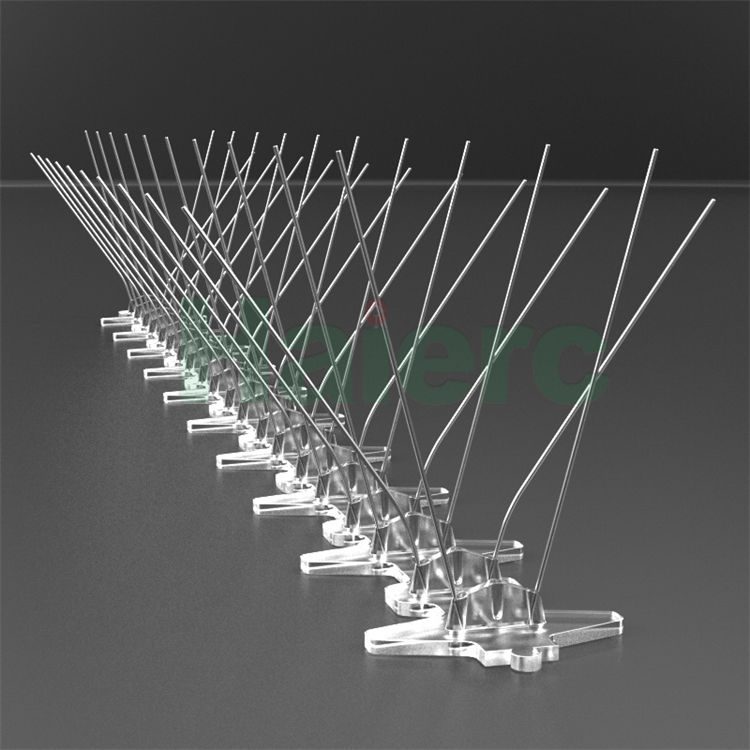
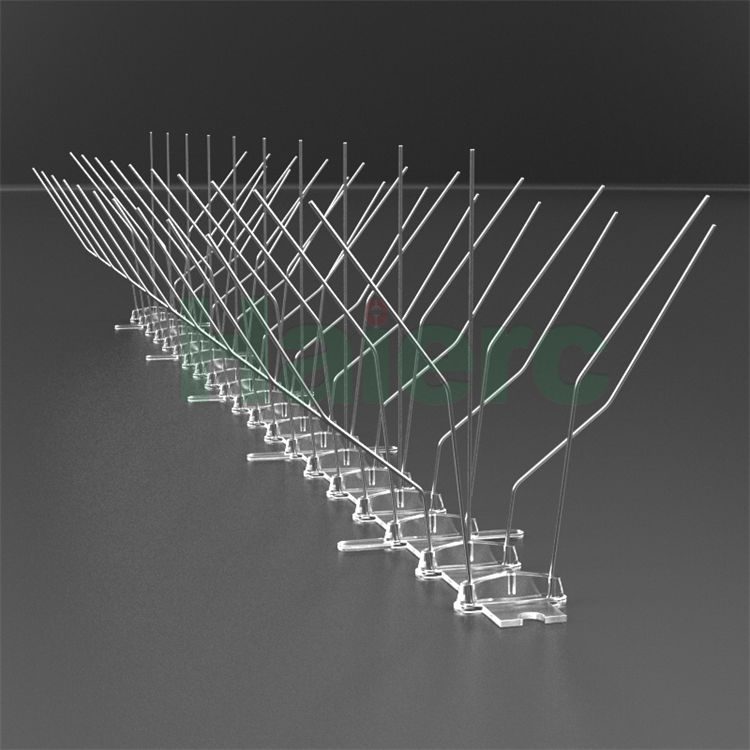
For perimeter parapets, gutter edges, and narrow signboards, apply Stainless Steel Bird Spikes. Clean the mounting surface thoroughly using an industrial degreaser to remove oily dirt and guano. Apply a structural polyurethane adhesive along the UV-stabilized polycarbonate base or secure it mechanically with self-tapping screws. Make sure the spike tips extend past the front outer lip of the ledge by at least 10mm. That simple detail prevents persistent pigeons from landing on the unprotected front edge.
Step 5: Establish a Regular Inspection Schedule
Physical bird exclusion isn’t a «fit-and-forget» installation. Australian UV levels break down inferior plastics within months. Inspect perimeter turnbuckles every quarter to verify cable tension. Check the kite line for fraying, especially after severe coastal storms. Clear accumulated leaves or dust from netting panels to prevent weight-induced sagging.
Commercial Pest Hardware Comparison
Picking hardware for commercial sites requires knowing material grades and mechanical thresholds. Inferior netting rots under high UV exposure, while cheap wire rusts within months near coastal environments. The technical table below outlines the build standards we use at Haierc PCO compared to common market baselines.
Haierc Commercial Pest Hardware vs Standard Market Specifications
| Specification / Feature | Haierc Professional Standard | Industry Average Baseline |
|---|---|---|
| Kite Aerodynamic Model | HC1663 Heavy-Duty Falcon Profile | Generic flat-profile delta kite |
| Kite Mast Construction | High-flex glass-reinforced resin (multi-section) | Standard hollow fiberglass (brittle in gusts) |
| Bird Spike Metal Grade | 304 or 316 Marine-Grade Stainless Steel | 201 Stainless Steel or galvanized wire |
| Spike Base Material | Virgin UV-stabilized Polycarbonate base | Recycled PVC (yellows and cracks in UV) |
| Netting Raw Material | High-Density Polyethylene (HDPE), knotted, UV-treated | Knitted nylon or untreated polypropylene |
| Breaking Strength (Net Twine) | > 22 kg per strand | 12–15 kg per strand |
| Factory Compliance Standards | ISO9001, CE, BSCI, SEDEX, REACH, RoHS | Uncertified workshop assembly |
Whether you source directly or through a pest bird solutions distributor Europe channel, insist on verified material spec sheets. High-tensile steel, marine-grade fasteners, and UV-stabilized compounds save thousands in premature warranty repairs.
[Haierc Manufacturing Standards]
┌───────────────────┬───────────────────┐
│ 304/316 Marine SS │ Virgin UV-PC Base │
├───────────────────┼───────────────────┤
│ High-Twist HDPE │ ISO9001 Audited │
└───────────────────┴───────────────────┘
Integrated Pest Hardware Options for High-Compliance Sites
Modern commercial bird control often links into a broader Integrated Pest Management (IPM) plan across the facility perimeter. Rodents, birds, and insects usually share the same entry portals. Integrating compatible commercial-grade devices ensures seamless compliance across internal processing rooms and external staging areas.
- High-Pressure Visual Deflection: Alongside the primary HC1663 kite, installing Bird Repellent Reflective Scare Rods in outdoor fruit bays or loading yards adds visual noise. The light refraction disrupts flight navigation. For large air fields or sprawling dockyards, consulting a licensed ultrasonic bird repeller importer can provide secondary electronic pressure, though physical barriers should always form your baseline.
- Perimeter Ledge Denial: If you’re working with an anti pigeon spike polycarbonate base or sourcing through a bird spikes stainless steel supplier, focus on needle density. Spikes must offer complete radial coverage so starlings can’t nest between the wires. Sites operating in the UK or EU can use a humane pigeon spike UK 2026 design or source via a stainless steel pigeon spike EU importer to meet stringent animal welfare standards.
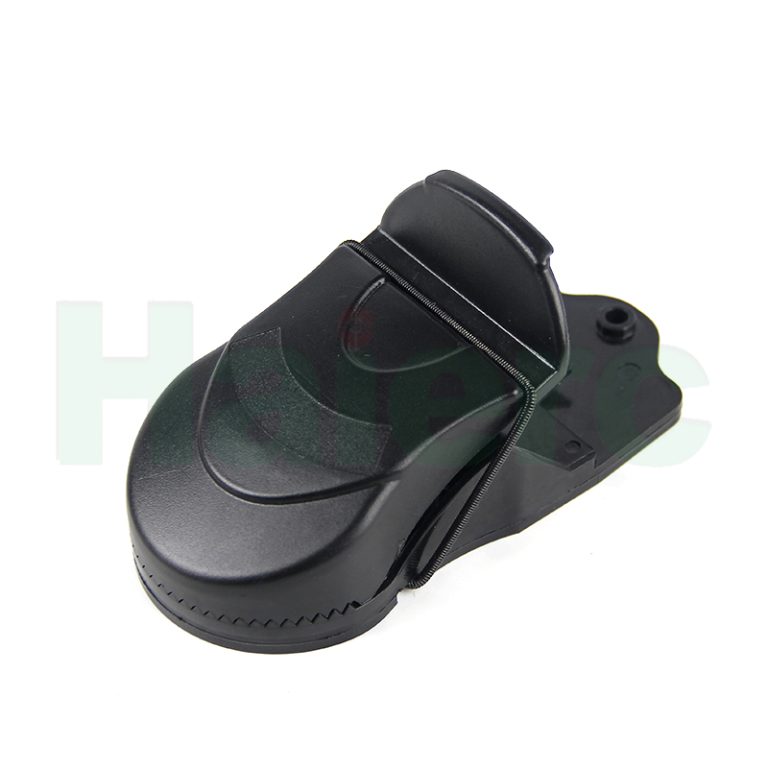
- Multi-Species Perimeter Trapping: Rodent pathways run directly beneath bird roosting canopies. Experienced operators place a Mini Plastic Mouse Tunnel along foundation perimeters. When managing high exterior rodent activity near grain stores, install the Heavy Duty Mouse Trap Poison Holder or a tamper-resistant bait station like our HC2221. For severe indoor infestations, a professional electronic rat trap distributor can provide high-voltage multi-catch systems to eliminate rats without toxic tracking powders. Facilities can also deploy the HC1115-T12B heavy-duty snap system inside locked stations for rapid mechanical knockdown.
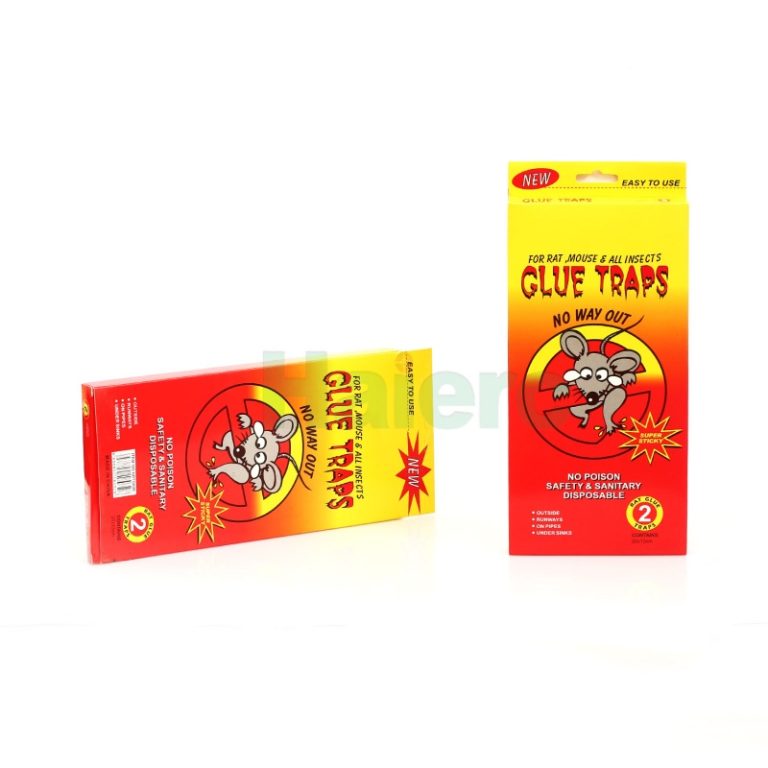
- Flying Insect Exclusion: In logistics hubs where high-bay doors stay open for pallet loading, combine overhead bird mesh with electric bug zappers mosquito trap repellent grids and an Insect trap glue board array placed at eye level inside pedestrian airlocks.
By standardizing hardware across your facility footprint, you simplify technician training and keep preventative maintenance logs tidy for food defense auditors.
[External Perimeter]
┌────────────────────┴────────────────────┐
▼ ▼
[Aerial: HC1663 Kite] [Ground: HC2221 Stations]
[Ledges: 316 SS Spikes] [Runways: HC1115-T12B Traps]
│ │
└────────────────────┬────────────────────┘
▼
[Internal Processing]
[Insect Glue Boards & Zappers]
Mistakes to Avoid & Australian Compliance Realities
Pest bird management in Australia carries clear regulatory risks. You can’t simply shoot or poison nuisance species. The Environment Protection and Biodiversity Conservation Act 1999 (EPBC Act) and state-level wildlife acts strictly protect native species, including noisy miners, welcome swallows, and silver gulls, unless you hold specific damage mitigation permits.
Avoid these critical field mistakes:
-
- Using standard mist netting improperly: Installing a Normal Mist Bird Net without routine monitoring traps non-target native birds. That creates severe regulatory penalties. Netting must be tensioned, visible, and built from knotted structural HDPE with the right mesh size: 19mm for sparrows and starlings, 50mm for feral pigeons and gulls. If you’re sourcing high-volume containment netting, such as bird safety net wholesale India runs or residential pigeon netting HDB Singapore specs, confirm the mesh pitch matches the target bird species on site.
- Neglecting wind load ratings: Large spans of bird netting act like sails in high winds. If your support cables lack intermediate turnbuckles or use sub-standard anchors, a 70 km/h storm will tear the fixings right out of the masonry.
- Deploying static scare devices: Plastic owls and static hawk cutouts don’t work. Birds recognize the lack of movement within days. Dynamic systems like the Bird Scare Kite succeed because their swooping flight path changes constantly with wind variations, preventing flock habituation.
- Skipping perimeter rodent defense: Birds drop seed, grain, and nesting litter straight to the ground. That debris draws rodents immediately. If you deploy bird netting overhead without placing mechanical snap traps or tunnel boxes along the lower footings, you’ll trade a bird problem for a rodent infestation within six weeks.
[Static Decoy (Plastic Owl)] ──► Birds Habituated in 48-72 Hours ──► Failure
[Dynamic Kite (HC1663)] ──► Irregular Movement Pattern ──► Long-Term Repulsion
Keep your installation clean, tight, and compliant with local animal welfare regulations. Practical, durable hardware always beats shortcut methods.
Frequently Asked Questions
Q: How much wind is required to keep the HC1663 Bird Scare Kite flying?
A: The Haierc HC1663 Bird Scare Kite requires a light breeze of just 3 to 5 km/h to achieve natural predatory flight. Its lightweight fiberglass frame and aerodynamic fabric catch minimal thermal currents. The assembly handles sustained gusts up to 45 km/h thanks to its flexible mast design.
Q: What mesh size should I use for commercial bird netting in Australia?
A: Match the mesh size directly to your target pest species. Use 19mm mesh for small birds such as house sparrows, Indian mynas, and European starlings. For feral pigeons, 50mm heavy-duty knotted polyethylene mesh provides complete exclusion while reducing wind resistance and structural load on building eaves.
Q: Are stainless steel bird spikes legal to install under Australian animal welfare standards?
A: Yes, physical bird spikes made from 304 or 316 stainless steel on UV-polycarbonate bases are fully legal and recognized as a humane deterrent across all Australian states. They do not impale or injure birds; they simply create an uneven landing surface that denies a secure footing.
Q: How often do commercial bird netting cables require re-tensioning?
A: In commercial environments with high thermal expansion, inspect support cables every six months. Adjust the barrel strainers (turnbuckles) if cable deflection exceeds 25mm over a 5-meter run. Haierc heavy-duty stainless rigging wire resists long-term mechanical stretch under typical Australian climatic extremes.
Q: Can a Bird Scare Kite replace structural bird netting completely?
A: Visual deterrents like the HC1663 kite provide wide-area intimidation over open yards, agricultural zones, and solar arrays. However, heavy nesting pressure directly beneath sheltered warehouse eaves always requires physical exclusion netting and spikes for 100% compliance during food safety audits.
Build a Reliable Exclusion Defense
Managing pest birds across Australian commercial infrastructure takes proven, rugged hardware. Stop relying on temporary chemical sprays or static visual decoys that fail after a few days. Layer your site defense with high-strength structural netting, precision ledge spikes, and dynamic predatory deterrents.
We manufacture professional bird exclusion systems, rodent control equipment